KC dads’ carpool app puts an AI assistant in the driver’s seat, eliminating an invisible mental tax
November 19, 2026 | Augustine Hwang
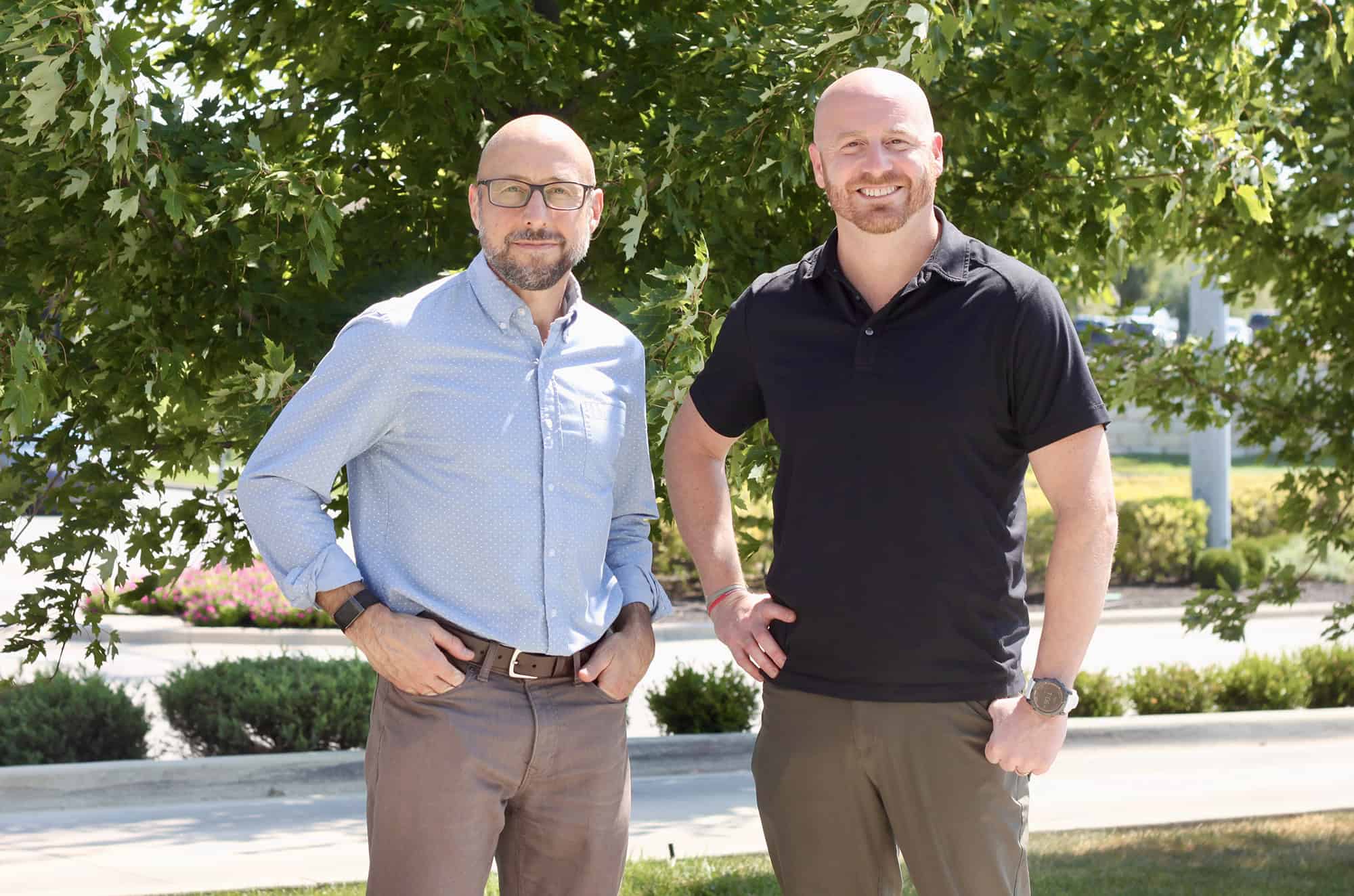
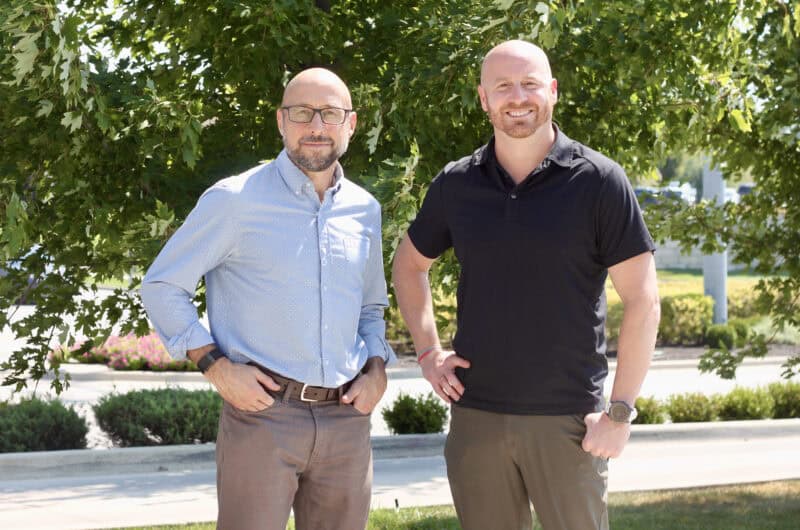
Russell Ball and Jimmy Carter, co-founders of Carpoolio; photo by Nikki Overfelt Chifalu, Startland News
A carpool app built from a Kansas City dad’s last-minute, night-before scramble to get his kids where they needed to go, puts schedules, rides and real-time updates in one place, said co-founder Jimmy Carter, emphasizing the role AI assistants can play in everyday life.
“Carpool group texts can be a special kind of hell,” he explained. “Dozens of text messages fly around at the last minute and at the end you’re still not sure who is driving.”
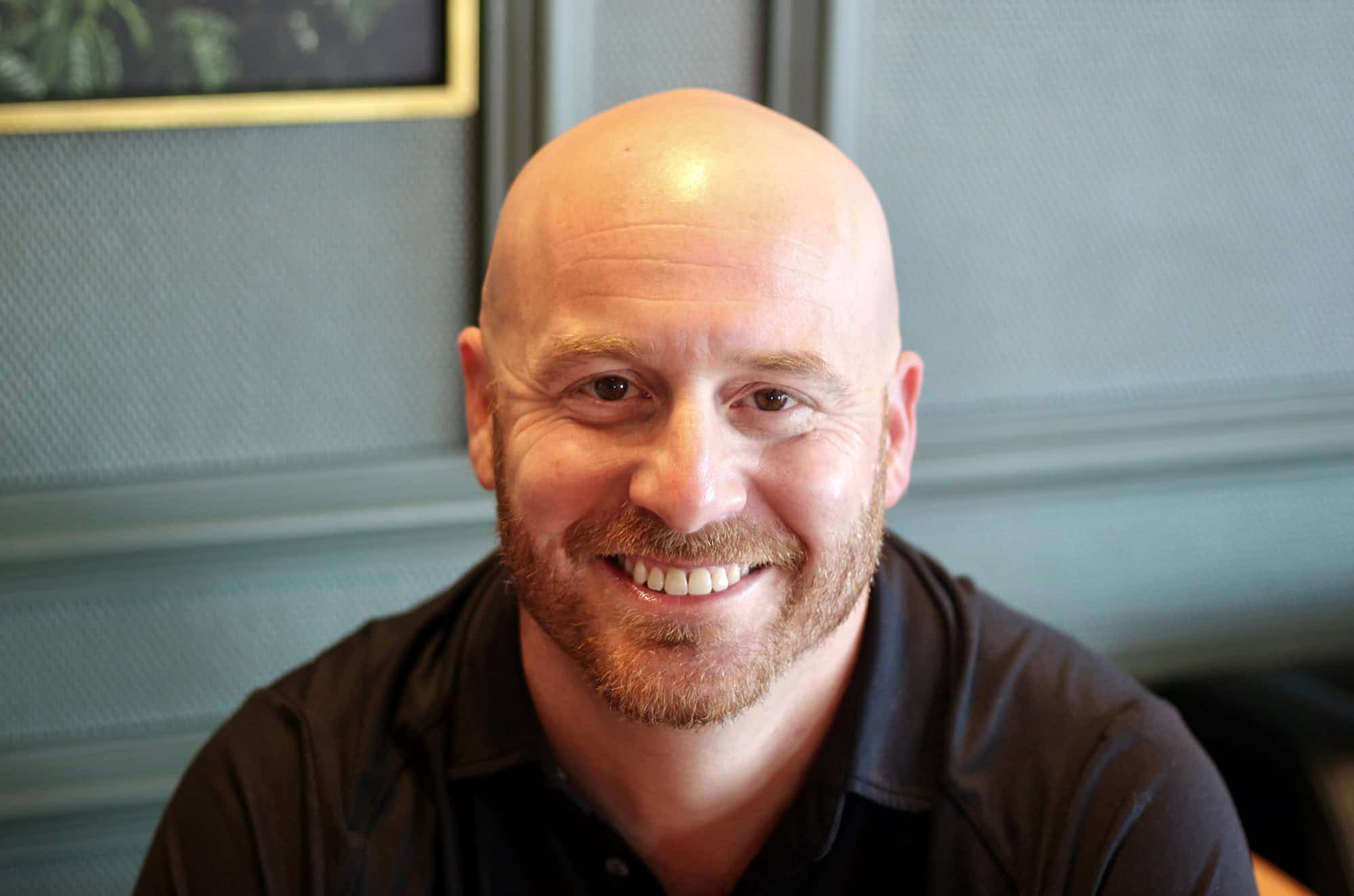
Jimmy Carter, co-founder of Carpoolio; photo by Nikki Overfelt Chifalu, Startland News
Carter and his wife both work, and with four kids between the ages of 8 and 14, the Carpoolio CEO said, planning carpools for their family was disorganized and disconnected — often coming down to the wire.
“I was tired of showing up to practices, picking my kids up, and seeing neighbors who lived a few houses away at the same spot, so I went digging for a solution,” he said.
Nothing out on the market really fit what Carter and his co-founder, Russell Ball, needed; and the apps they tested didn’t offer the right features.
By his own math, Carter said, the average family of four could spend 85 hours a year on that kind of organizing — time he wants to give back with Carpoolio.
“It’s the invisible tax every parent pays: you’re in the middle of a meeting and your phone buzzes for the ninth time with ‘Can anyone grab Tommy Thursday?” Carter said. “Now you’re doing carpool math in your head instead of your actual job and realize 25 minutes have passed.”
Available in the App Store and on Google Play, Carpoolio lets parents securely enter their kids’ names and home addresses, bring in schedules from other apps and sources — like TeamSnap, GameChanger, Apple Calendar and Google Calendar — and invite anyone they want into a carpool.
The iteration behind Carpoolio began about two years ago, with a real experience. A neighbor created a shared Apple Notes document where everyone in the carpool wrote down their contact information. Noting disorganization still baked into the attempt at clearer communication, Carter imagined a better way.
“That is not coordination, that’s chaos with notifications,” he said.
He started by talking the idea through with AI, working out wireframes and mockups. Then he built the backend of the code and enlisted help from Russell Ball, Carpoolio’s co-founder and CTO, to build the app.
A soft launch followed as a web version, which friends and family tried out to work out the kinks.
Carter always knew the app had utility, he said, but the challenge was getting it out there.
“Carpooling is inherently social and what excites us most is seeing the viral effect one user can have by inviting others to join,” he said.
Otto, the app’s AI assistant, is the tech’s biggest draw, Carter said. With all the data in one centralized place and updates in real time, Otto can make schedules work for everyone.
Most of Carpoolio’s features were planned on a roadmap, he said, but Otto was originally meant only to answer questions. As user feedback poured in, Otto was updated to offer more tools for parents — including building carpools, adding drivers, assigning rides, messaging the group, and rearranging schedules when plans change.
“It was really kind of by mistake that Otto exists,” Carter explained. “It was originally intended to just be a source for how to do things in the app, but what was surprising was the amount of user interaction he was getting and product feedback we were getting.”
Live tracking is another big plus of the app, he said. With Carter’s wife traveling for work, being able to see when one of their kids is getting picked up gives her peace of mind. It’s one less thing to think about, he said, at a time when parents are juggling a lot.

Russell Ball and Jimmy Carter, co-founders of Carpoolio; photo by Nikki Overfelt Chifalu, Startland News
This fall, Carpoolio had about 1,000 users, Carter said, with roughly 350 joining in July and August alone. Growth has recently taken off; Carpoolio has seen almost a 500% increase in users over the past 4 months, which Carter attributes to the fact that carpools are social — parents invite other parents, and so on.
“Most apps have to find every user one at a time,” he said. “Carpoolio is built to handle the whole group with each signup. It only works when you invite people, so growth is built into it.”
Next up, Carter said: how to build a business around the app, including what to keep on the free side and what to put on the paid side.
Not everyone wants to buy a carpool app, he acknowledged. For now, Carpoolio is free to download, but it offers a Pro subscription at $6.99 a month or $34.99 a year.
“No one probably wakes up excited to pay for a carpool app,” he said. “But I’ve seen firsthand the mental tax of running a carpool and that certainly has a price too.”
Carpoolio boasts a long feature list in their Pro version consisting of unlimited use of Otto as an AI assistant, live trip tracking, calendar integrations, route optimizations and unlimited carpools.
Carter hopes Carpoolio brings parents one less thing to think about. what he calls “the invisible tax” of setting up carpools includes the texts that keep adding up in the middle of a workday.
Those 85 hours a year, he said, are better spent on things families enjoy.
The experience building the company has been awesome, Carter said, and not something he would have believed could happen a year ago. He’s been in sales his whole life and now realizes his passion has been solving problems.
“My favorite parts are the messages from parents,” Carter said. “One mom told me she found out that her kids’ ride to practice had changed and that they were picked up and dropped off at practice, all while she was still in a meeting and didn’t get one text about it.”
Fund More Stories
This story was made possible by readers like you. Join them — make a one-time contribution or become a monthly member to sustain our work.