Wearables founder offers a bear hug to KS innovation incentives; here’s why he hopes fellow startups are listening
October 16, 2026 | Nikki Overfelt Chifalu
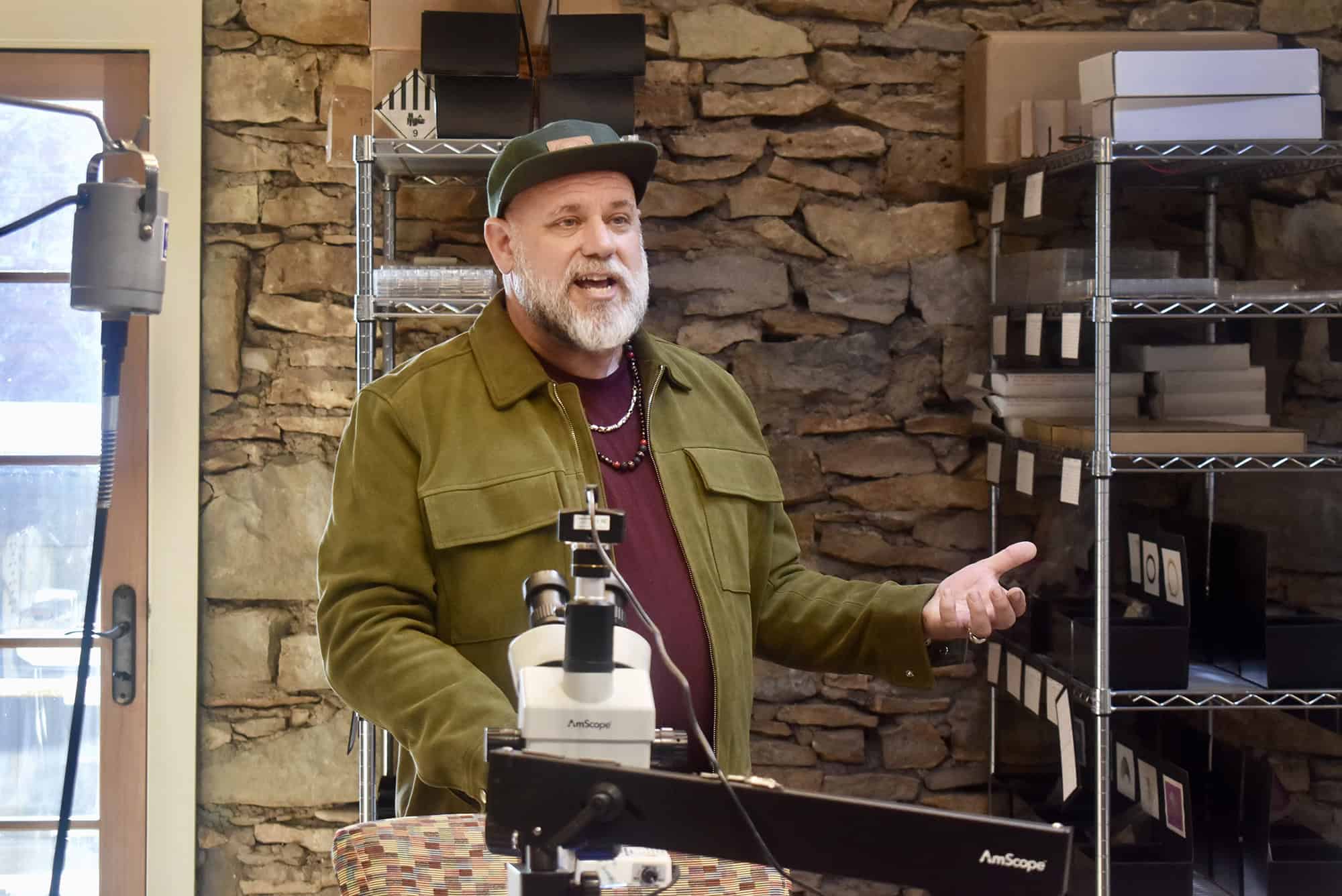
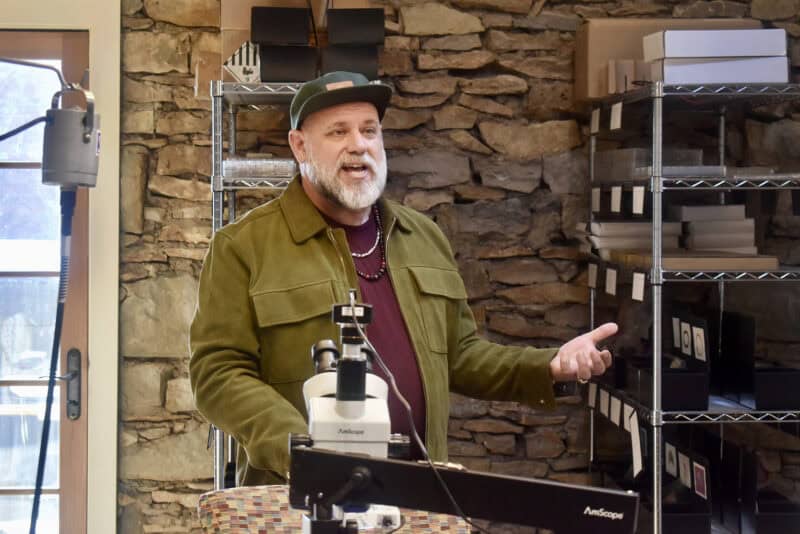
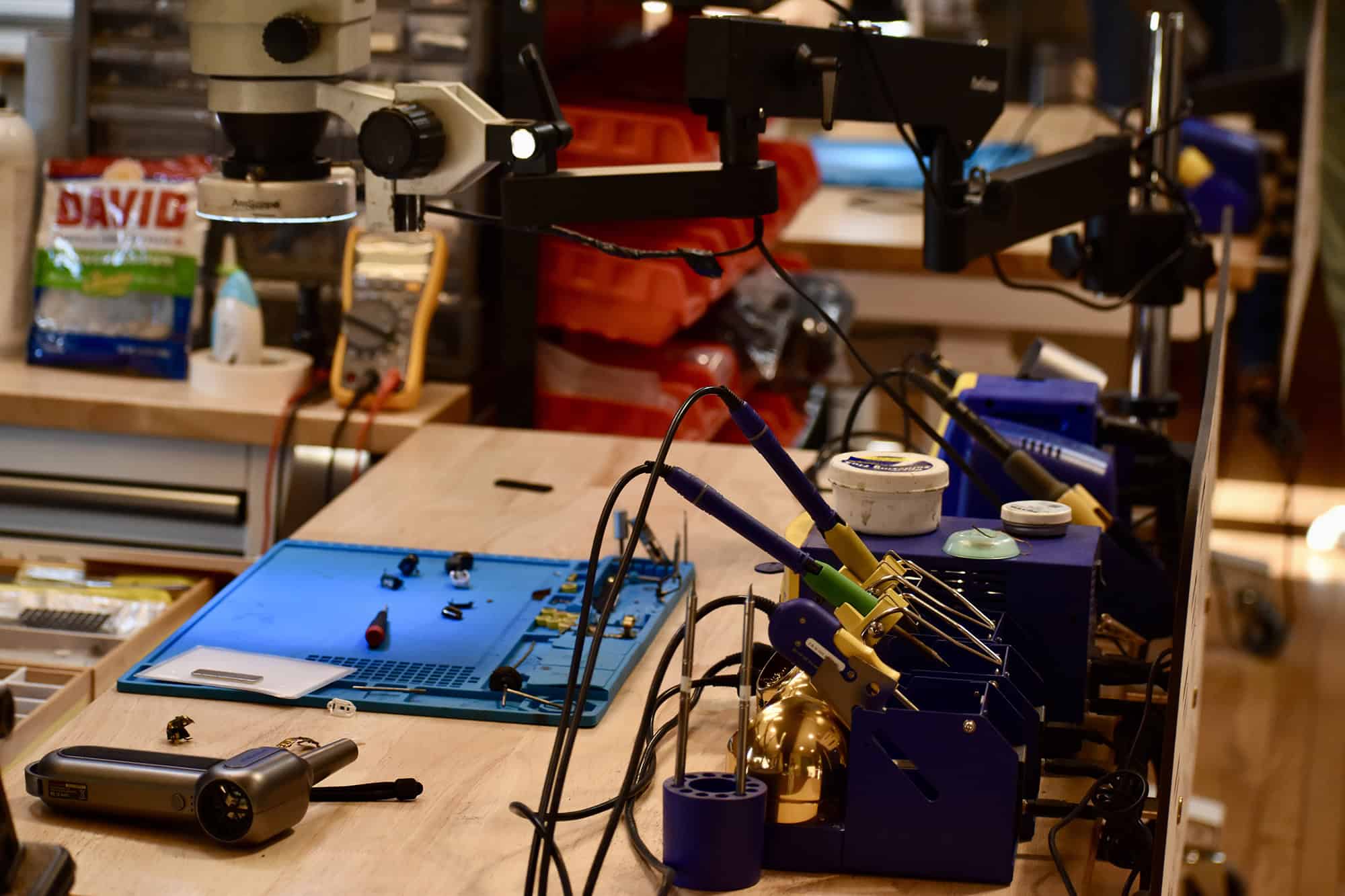
Bear Clark, founder of EAR Micro, during a tour of his company's development lab in Lenexa, Kansas; photo by Nikki Overfelt Chifalu, Startland News
Bear Clark is proud that he and his EAR Micro team are building the latest in ear computer technology — innovation drawing interest from the likes of Google and Meta, he said — right here in Kansas.
The Lenexa-based advanced wearable technology company is focused on developing ultra-miniaturized “in-ear computers” that combine high-performance audio systems, embedded computing, and advanced sensing technologies in partnership with world-class brands, all with 85 percent of the parts manufactured in the United States.
“By reshoring every element of this, we have a tremendous advantage, which is the folks in China don’t know how to do this,” he told a group of founders, investors, and ecosystem builders this week during a tour of EAR Micro’s development lab. “They have no idea. They can’t even be close. We’ve got 10 times more compute in this device than there is in an Airpod, and yet we’re half the size and we run twice as long on average.”
“That’s American innovation,” he added. “It’s all done right here in Kansas. So we’re really proud of our Kansas location.”
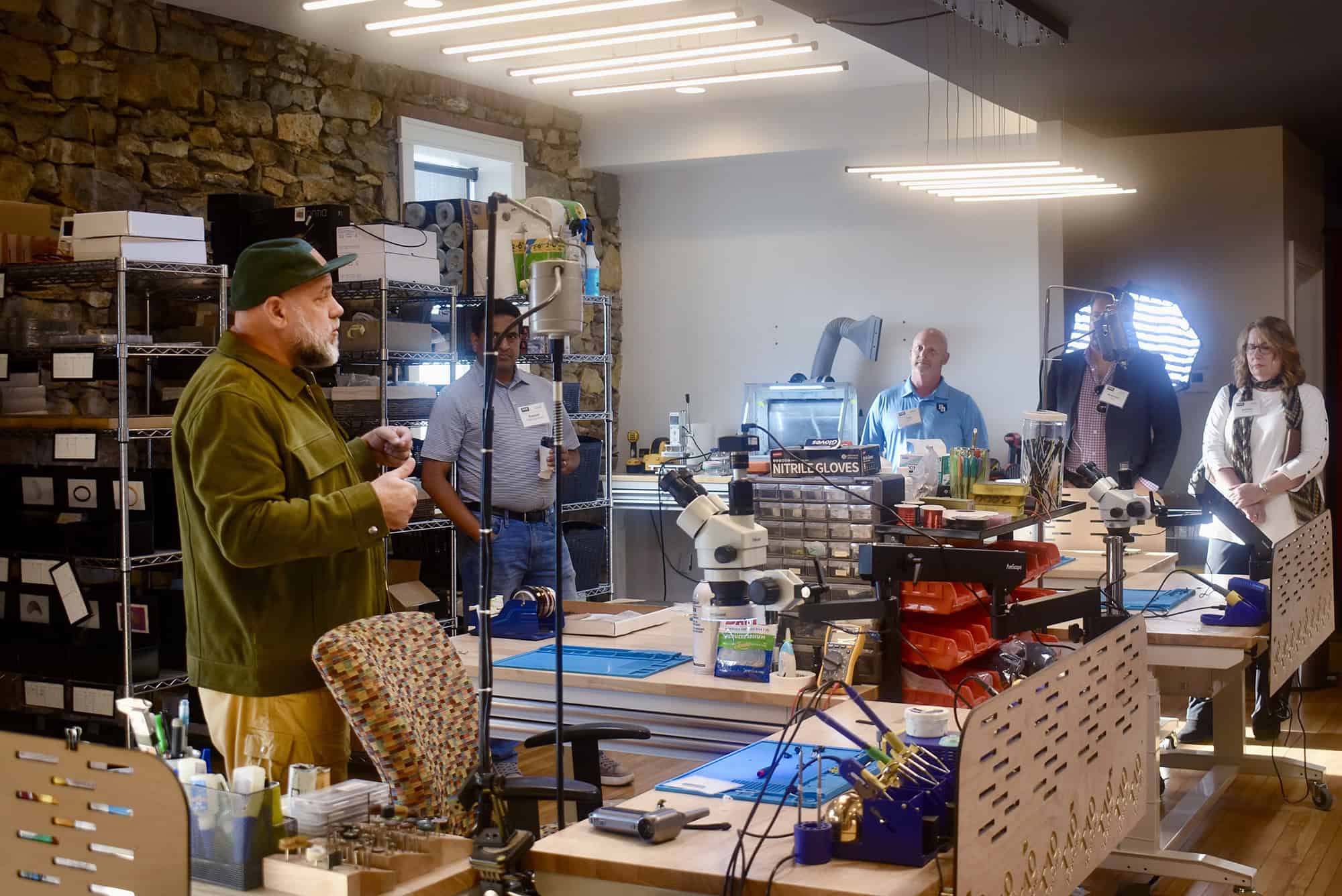
Bear Clark, founder of EAR Micro, gives a tour of his Lenexa-based company; photo by Nikki Overfelt Chifalu, Startland News
Choosin’ Kansas
Clark’s pride in the Sunflower State doesn’t stop with geography.
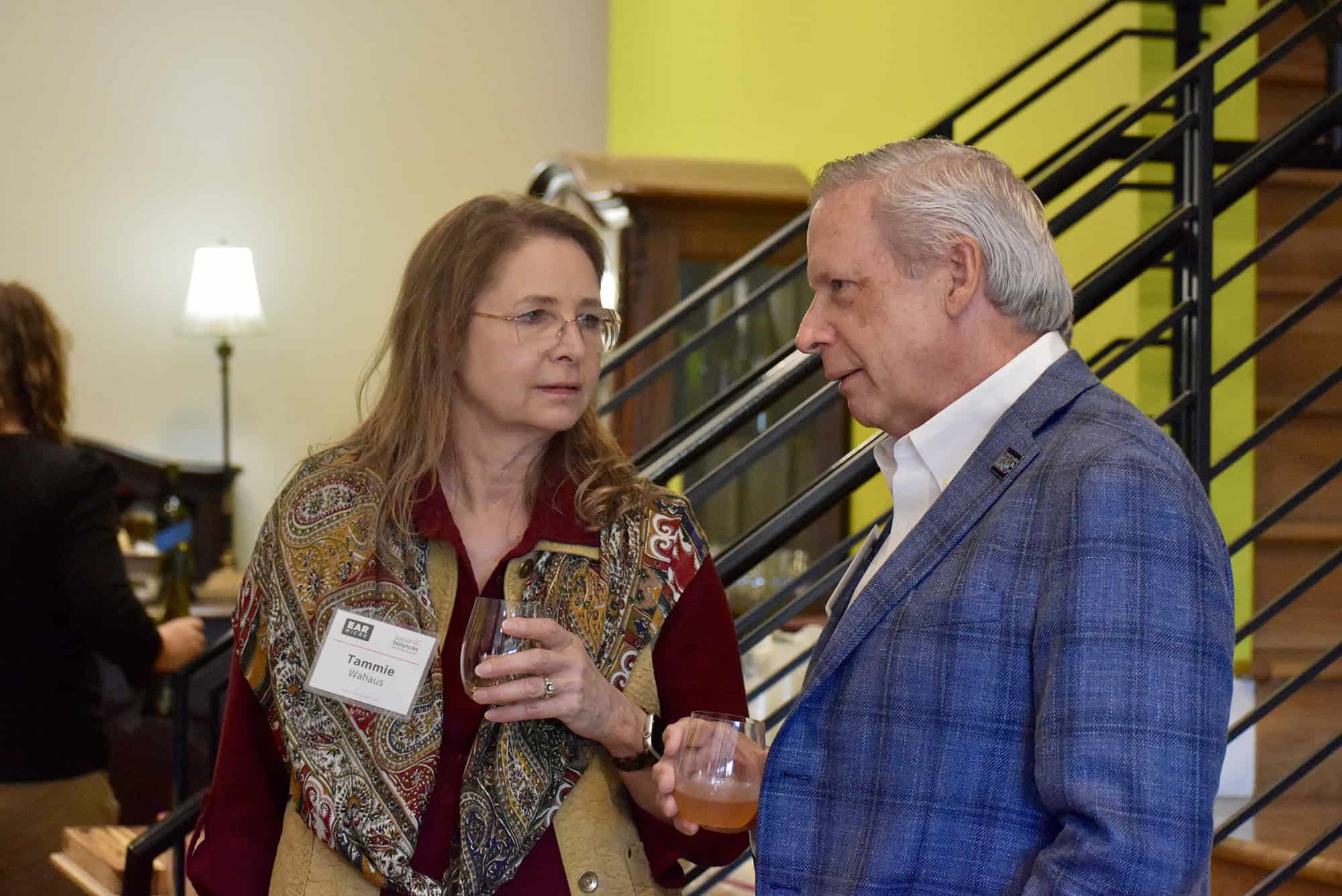
Speaking Monday during an early-stage investing panel hosted by Social Balances, he shared how Kansas investing programs — like GrowKS and the Kansas Angel Investor Tax Credit (KAITC) — have helped “turbocharge” EAR Micro and his investors.
“Part of the reason I was so adamant about wanting to celebrate and bring this event together is that this is real math that works,” Clark explained. “State and federal government collectively have come together and said we want to support the breadbasket here in the Midwest and we want innovation to stay here and not move to the coasts. They put these programs in place, but they aren’t widely known or as widely utilized as they probably could be.”
According to his research, Clark said, the Kansas tax credit program — which provides angel investors a chance to earn up to a 50 percent tax credit while directly fueling the next generation of groundbreaking ideas and startups — is one of the two strongest tax credit programs in the country for supporting angel investment in small businesses.
“That’s pretty impressive because you know we don’t have the banner of Silicon Valley or Austin, Texas, or Boston or one of these traditional tech hubs,” he continued. “And yet we’ve got a program that makes us much more competitive for early-stage startup investing than any of those hubs.”
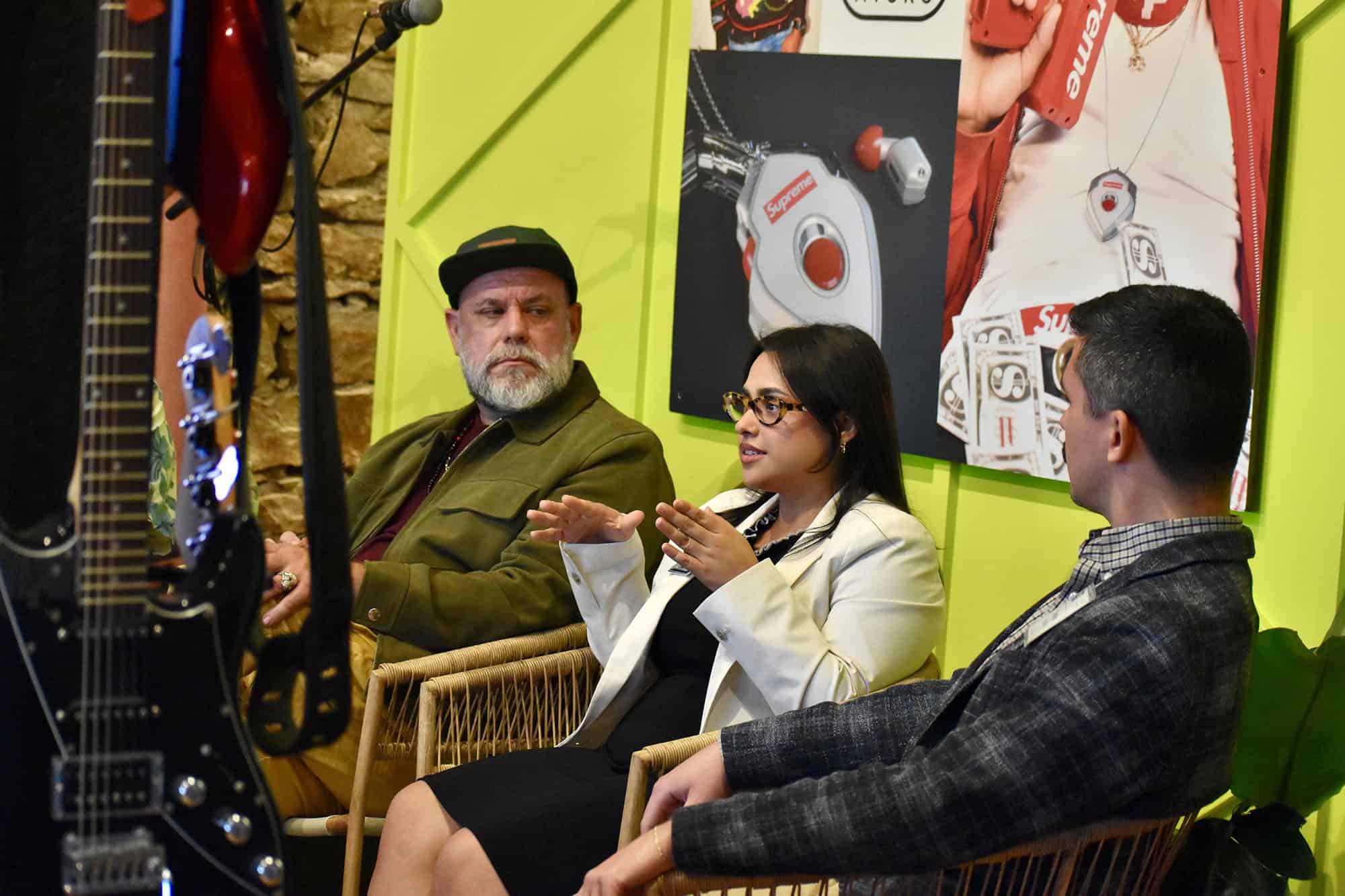
Pratistha Khadka, the venture and Investments manager for the Office of Innovation within the Kansas Department of Commerce, speaks during a panel conversation at Ear Micro alongside Bear Clark, Ear Micro, and Thomas Papadatos, senior venture investment manager for eGrowth Ventures and Network Kansas; photo by Nikki Overfelt Chifalu, Startland News
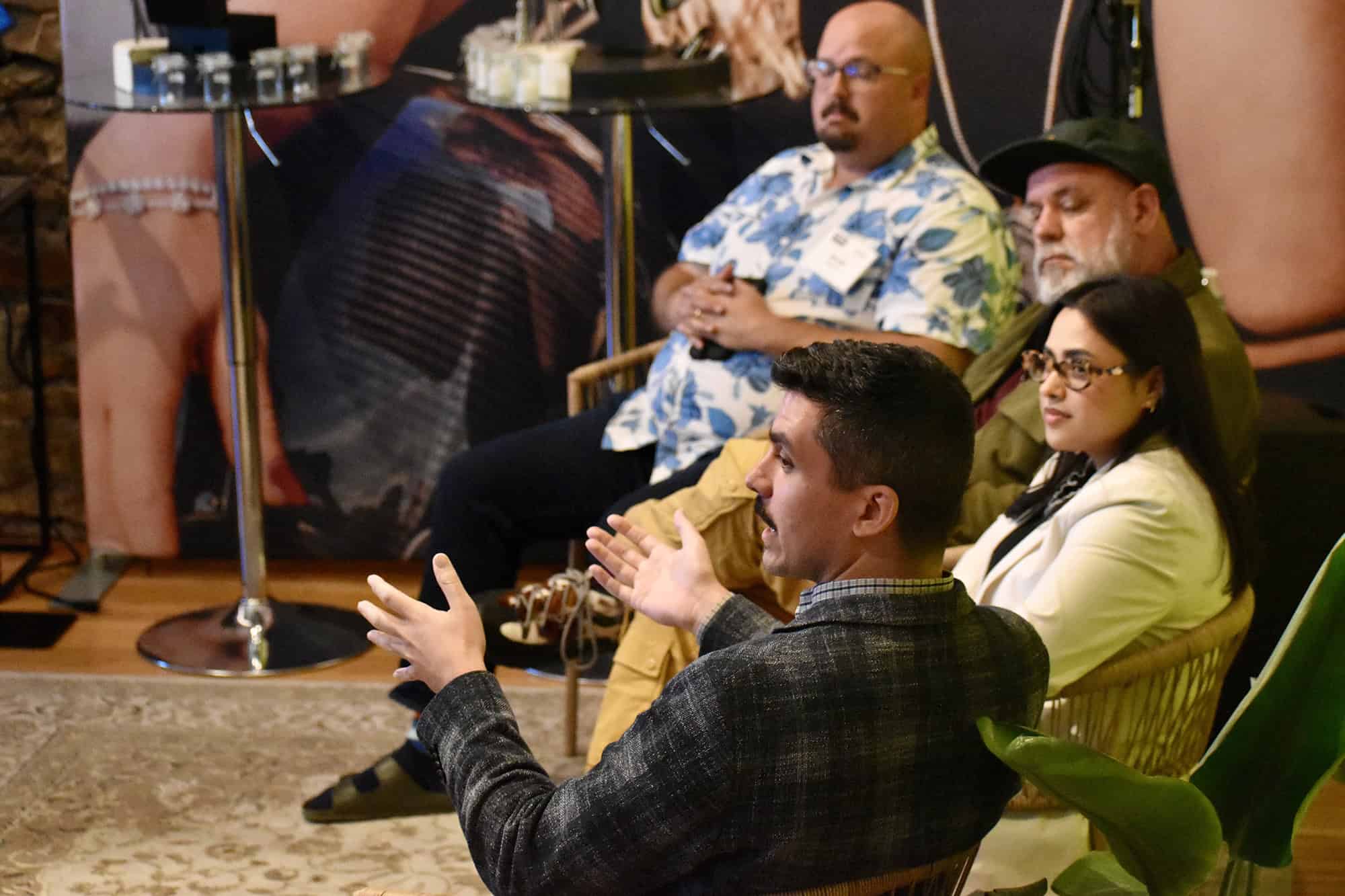
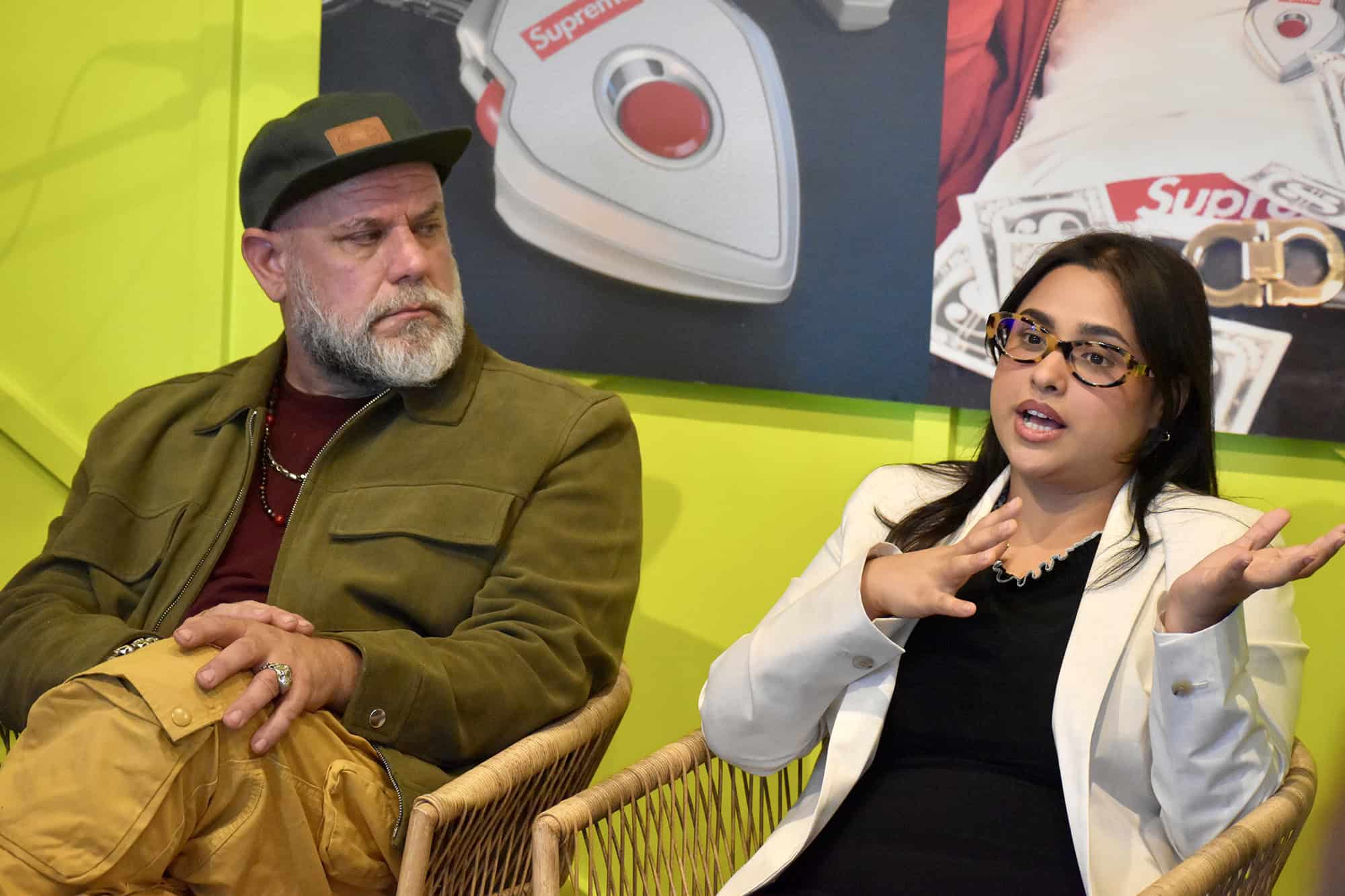
Clark was joined in conversation by Pratistha Khadka, the venture and Investments manager for the Office of Innovation within the Kansas Department of Commerce, and Thomas Papadatos, senior venture investment manager for eGrowth Ventures and Network Kansas.
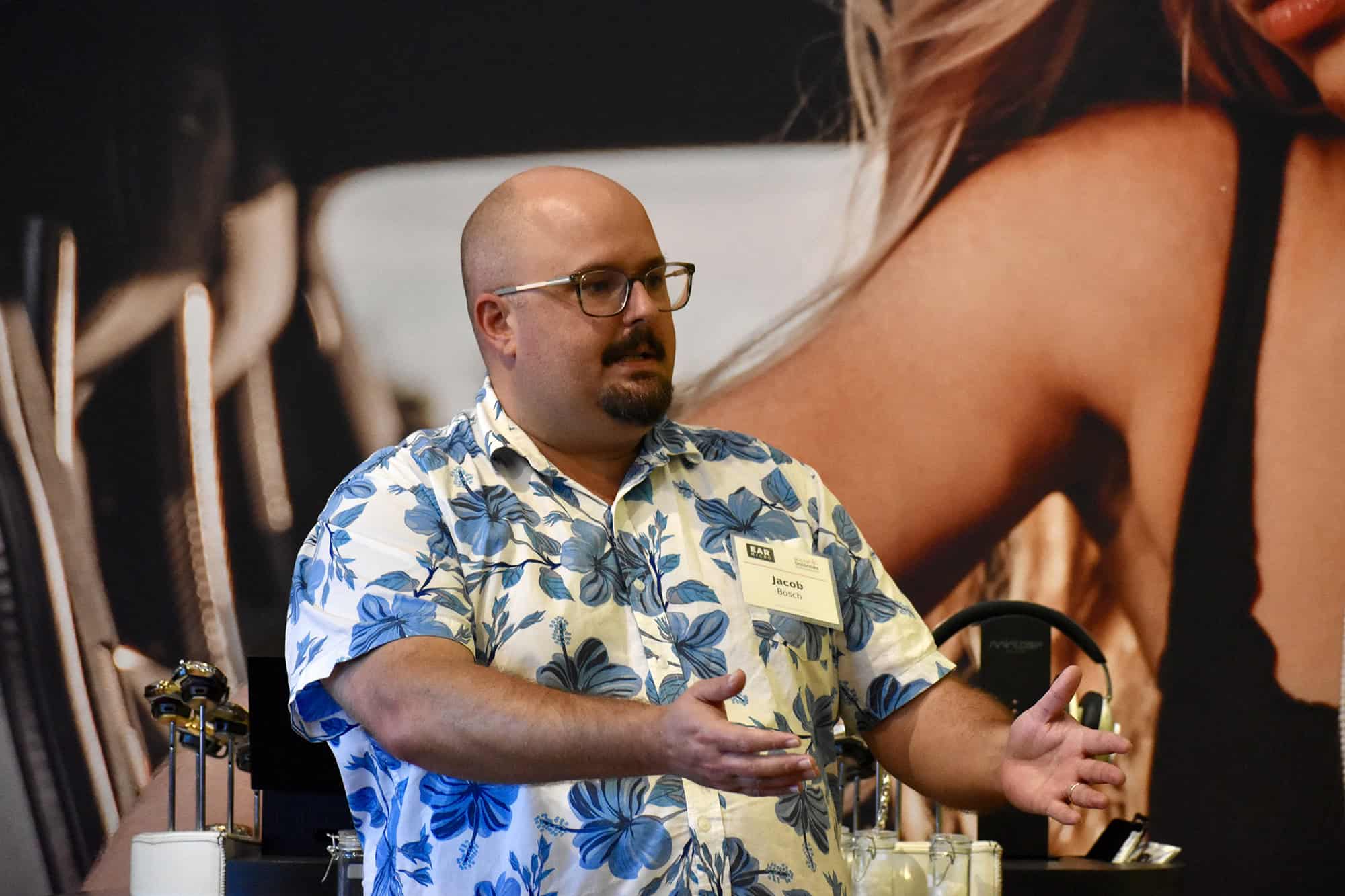
“We wanted to have a chance to thank our friends at the state of Kansas for doing what they do because it allows these early-stage companies the chance to get funded and have some successes,” explained moderator Jacob Bosch, with Social Balances, who helped detail available resources. “These wins are important for our community.”
Within the Kansas angel tax credit program, Khadka said, 32 of 52 applications were approved in 2025. This year, 38 have been approved so far — with six still under consideration — out of 80 applications.
“The ecosystem has been our biggest strength in getting the word out — with events like this — getting people in a room together, investors, founders, everybody, making that connection happen,” Khadka said.
Beating the ear computer drum
EAR Micro has taken advantage of the Kansas Angel Investor Tax Credit program for three years, Clark shared.
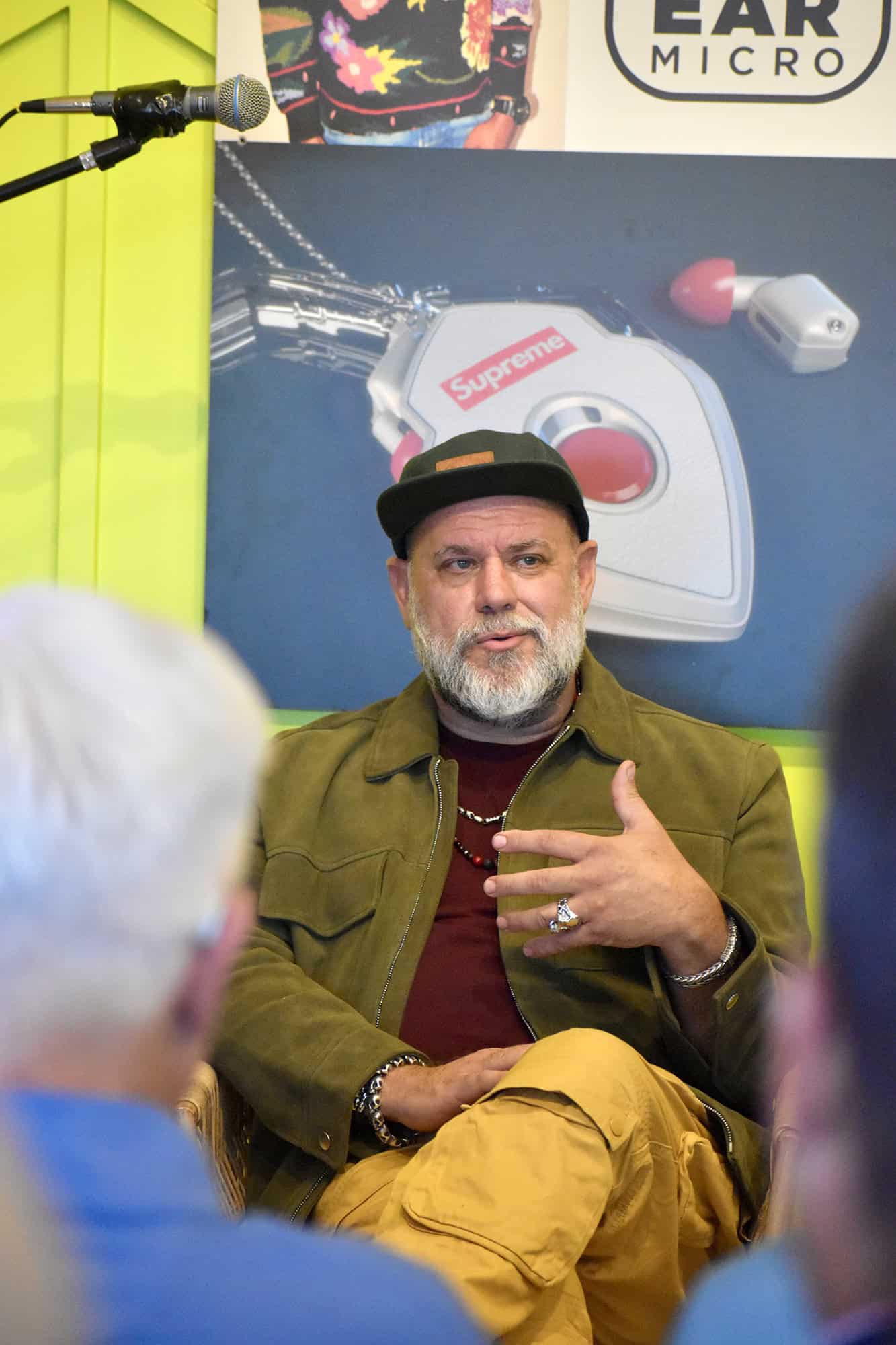
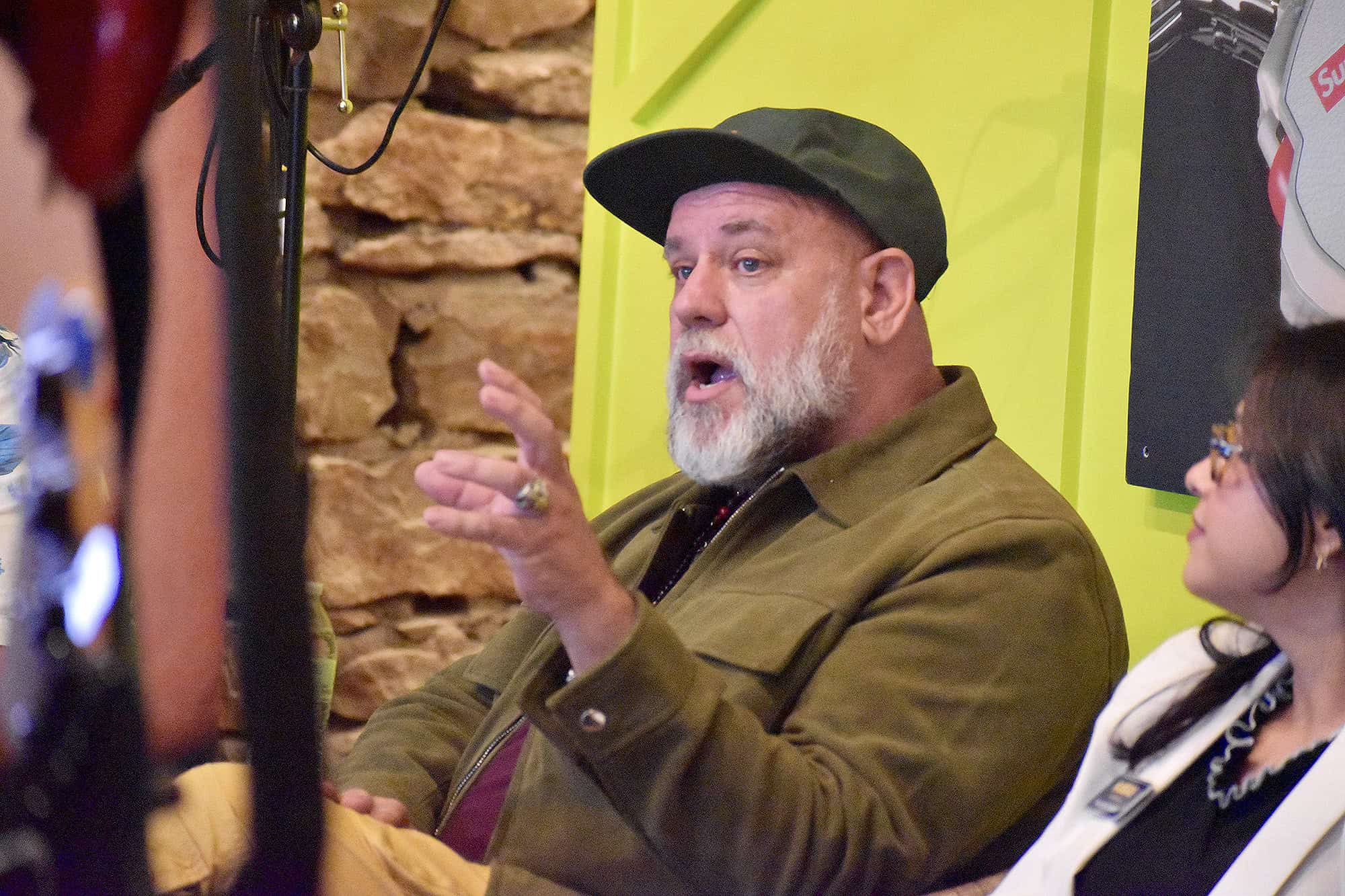
Bear Clark, EAR Micro, speaks during a panel conversation on state-backed resources available to Kansas startup founders; photo by Nikki Overfelt Chifalu, Startland News
“My understanding is that we are one of the more successful users of the program,” he continued. “We’ve now raised over $2 million toward our $4 million growth round. Because we’re small and we don’t consume money in giant chunks, we just spread our raise out. We call it a rolling raise.”
“As long as we can bring the money in time to continue funding our R and D efforts, that’s plenty quick enough,” he added.
Unlike in Silicon Valley, having $4 million in their bank account isn’t necessary for what Clark is building, he said.
“Here, there’s no utility in that,” he explained. “So we can raise this money over a two or three year period of time, fund our company, get a reasonable valuation, and at the same time pass through these tremendous benefits to our investors along the way.”
“That’s good,” Clark added. “So I’d like to see more businesses utilizing this. I’d like to see our startup ecosystem thriving.”
During a tour of EAR Micro’s lab, the founder gave an update on his company and its ear computer technology — sharing that 85 percent of the company’s revenue is actually licensing its patents and tech to other companies; the team only builds about 200 custom pieces a year.
“They literally go into the ears of the most interesting folks on the planet Earth,” he noted.
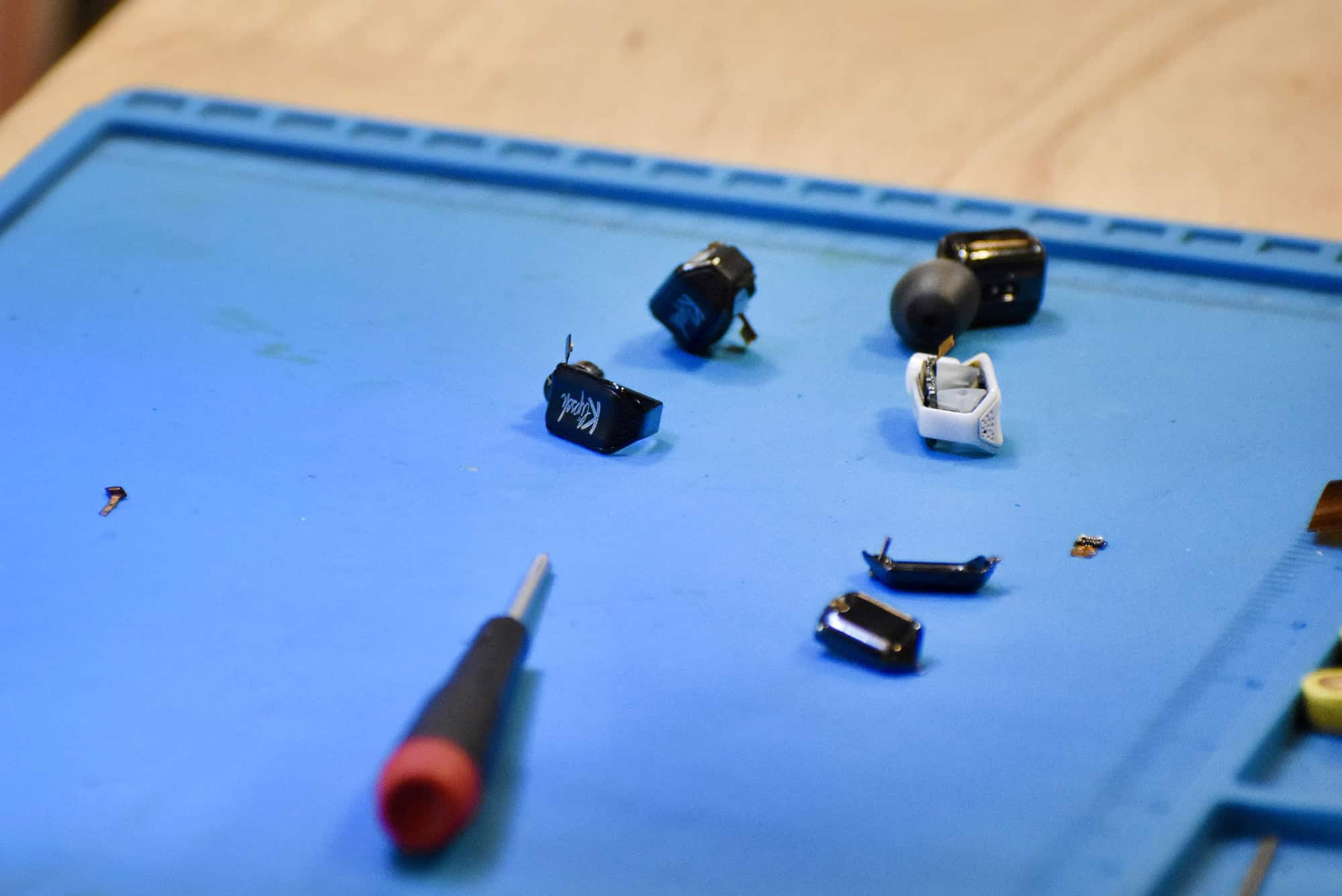
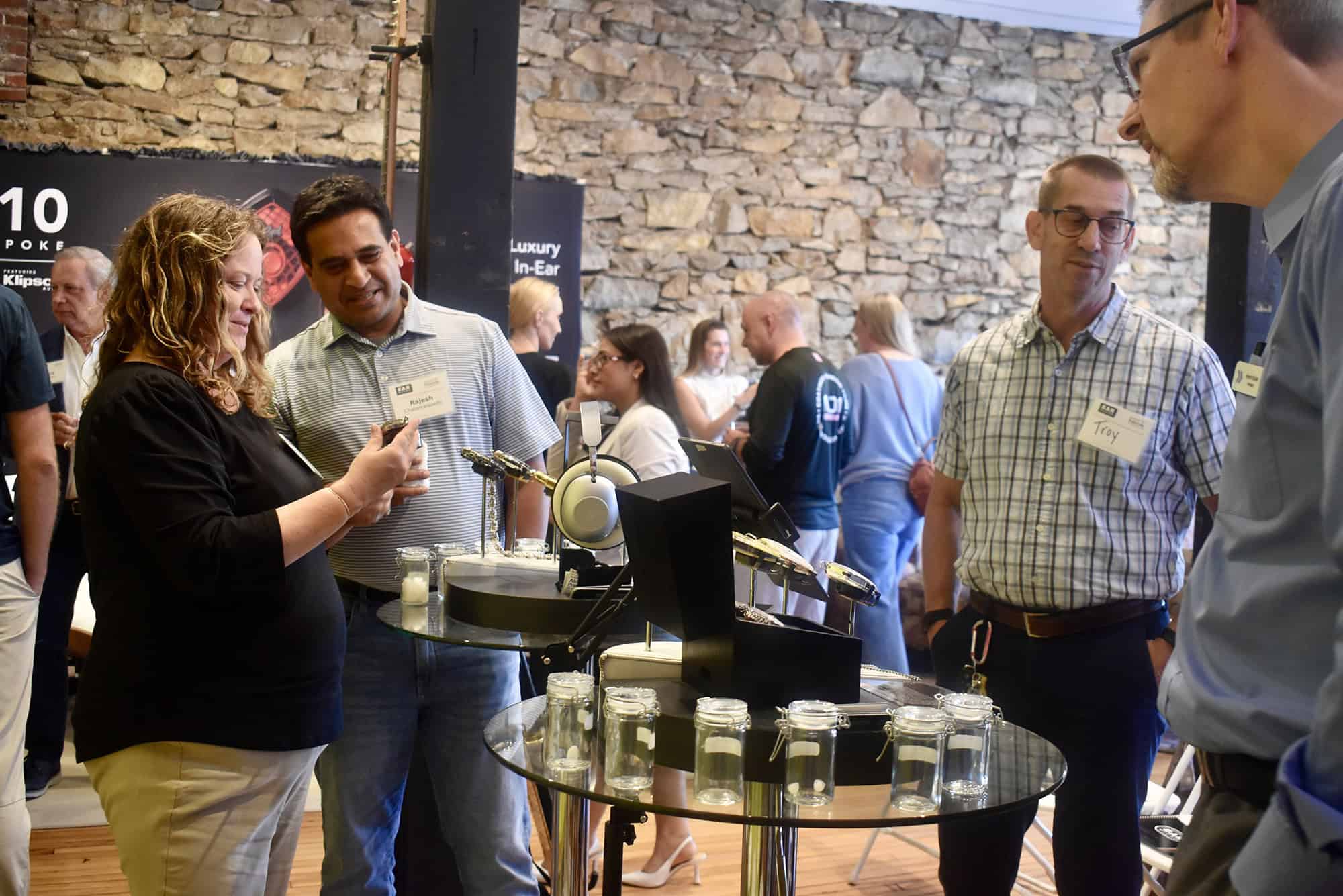
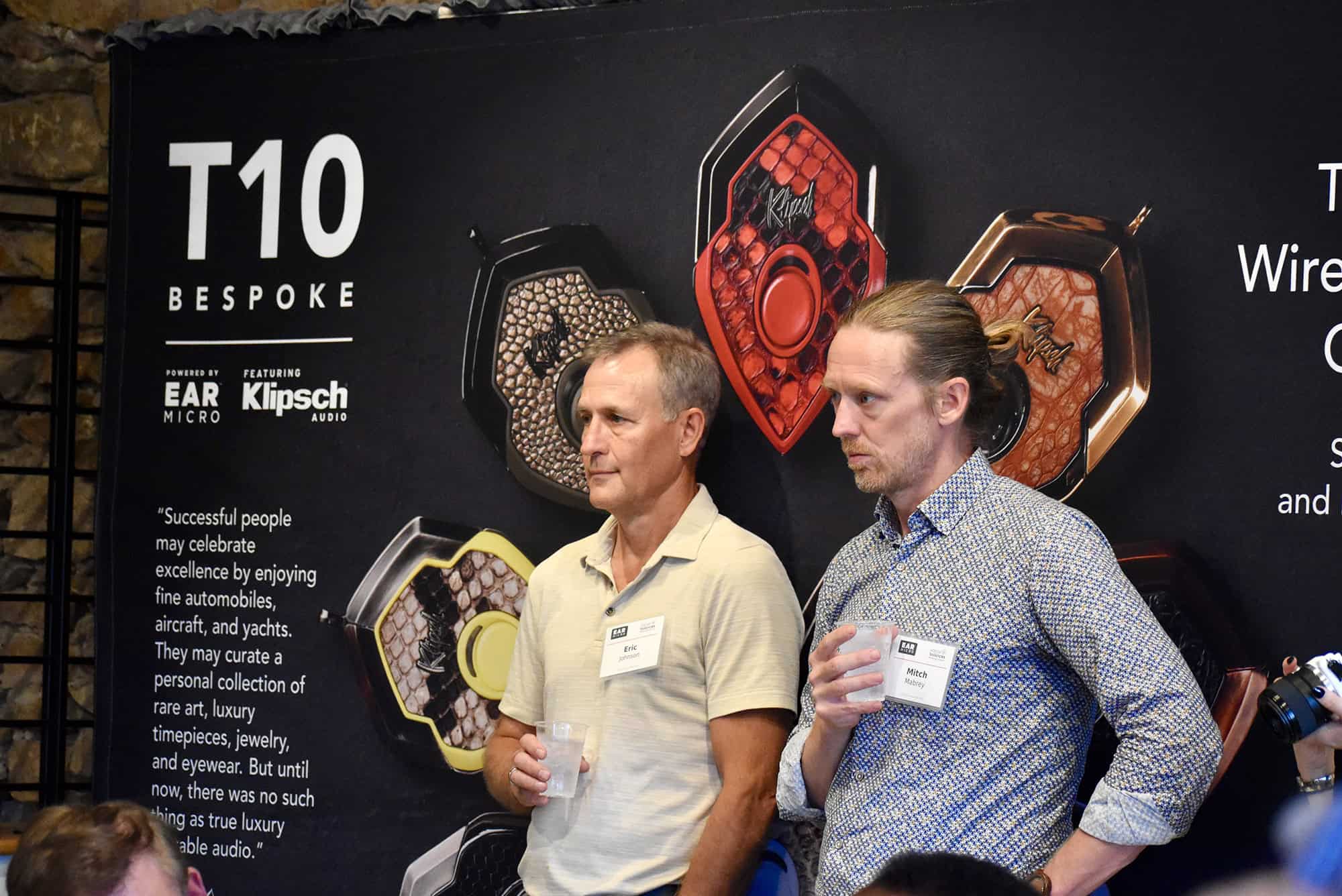
Wearables from EAR Micro on display during a tour of the company’s Lenexa space; photo by Nikki Overfelt Chifalu, Startland News
Ear computers today are in the same infancy stage that phones were in 2007, Clark told visitors at the event.
“Now that we’ve built the computer, the question is, ‘What are all the different kinds of software that can be written and put onto the computer that make your everyday tasks easier, more fulfilling, better quality, less friction, fill in the blank?’” he asked. “In all instances, what’s cool about ear computing — even more than face-to-face wearables like glasses or goggles — is that the ear computer is the only kind of wearable tech that doesn’t tie up both your hands and both your eyes.”
Over the next few years, he noted, as more people write software for such devices, expect the ear computer to increasingly replace smart watches and phones for many functions that don’t require visuals.
“Increasingly, you will find that there is less and less need to pull your phone out of your pocket because so much of what we will be doing in the world will be doing agentically,” Clark explained. “We’ll be doing it with our voice, our head, even our thoughts, or our nonverbal articulations.”
Fund More Stories
This story was made possible by readers like you. Join them — make a one-time contribution or become a monthly member to sustain our work.