City officials: $600M for Royals stadium isn’t a blank check; leaders laud boosts to workers, youth, homeless fund
August 21, 2026 | Tommy Felts
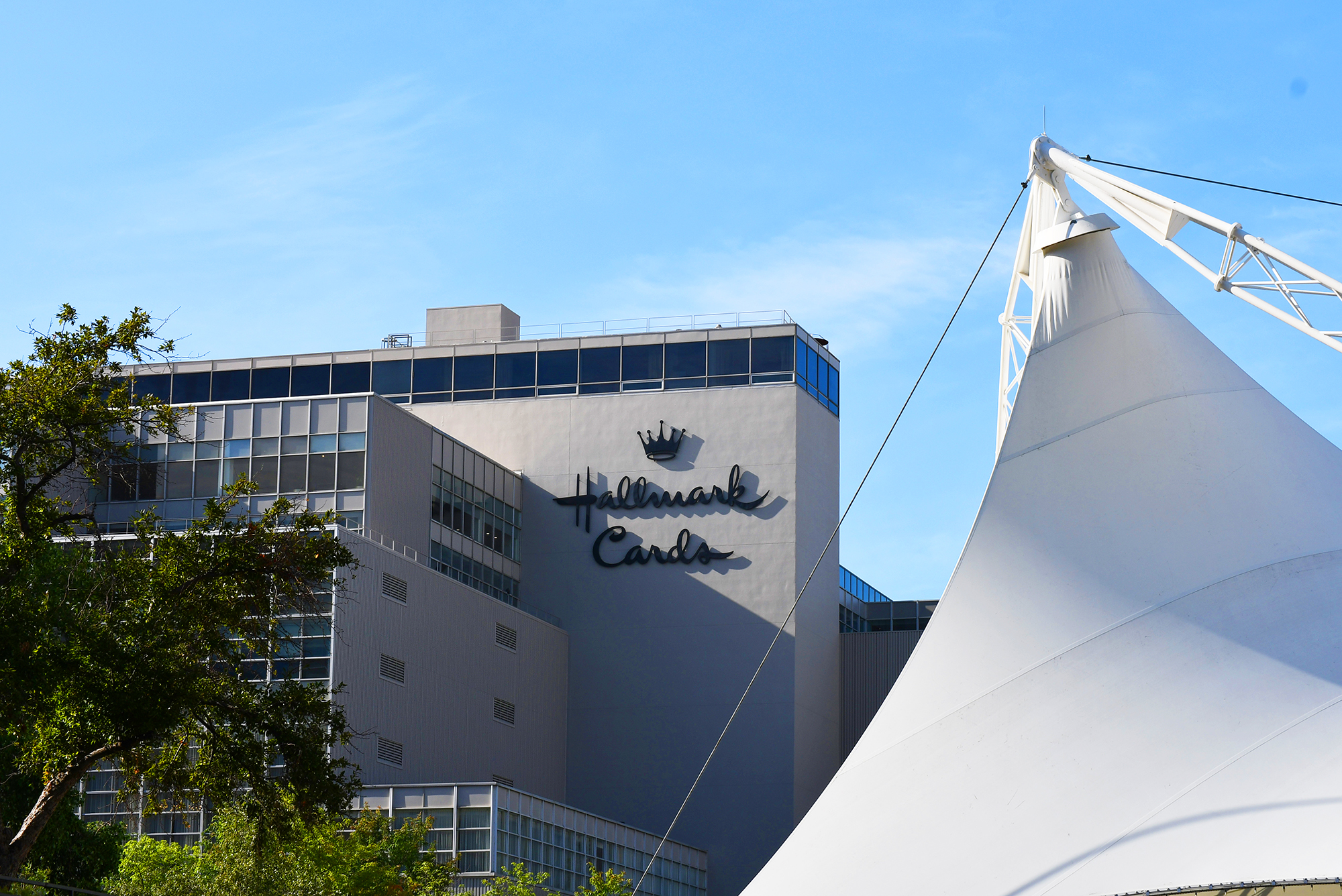
Hallmark Cards corporate headquarters sits at Crown Center, near the site of the future centerfield for the Kansas City Royals new ballpark, set to open in 2030; photo by Tommy Felts, Startland News
Passing a massive funding plan to help transform Crown Center into a downtown ballpark district isn’t just about enthusiasm for baseball, said Wes Rogers; it’s an investment toward truly putting Kansas City and its residents in the big leagues.
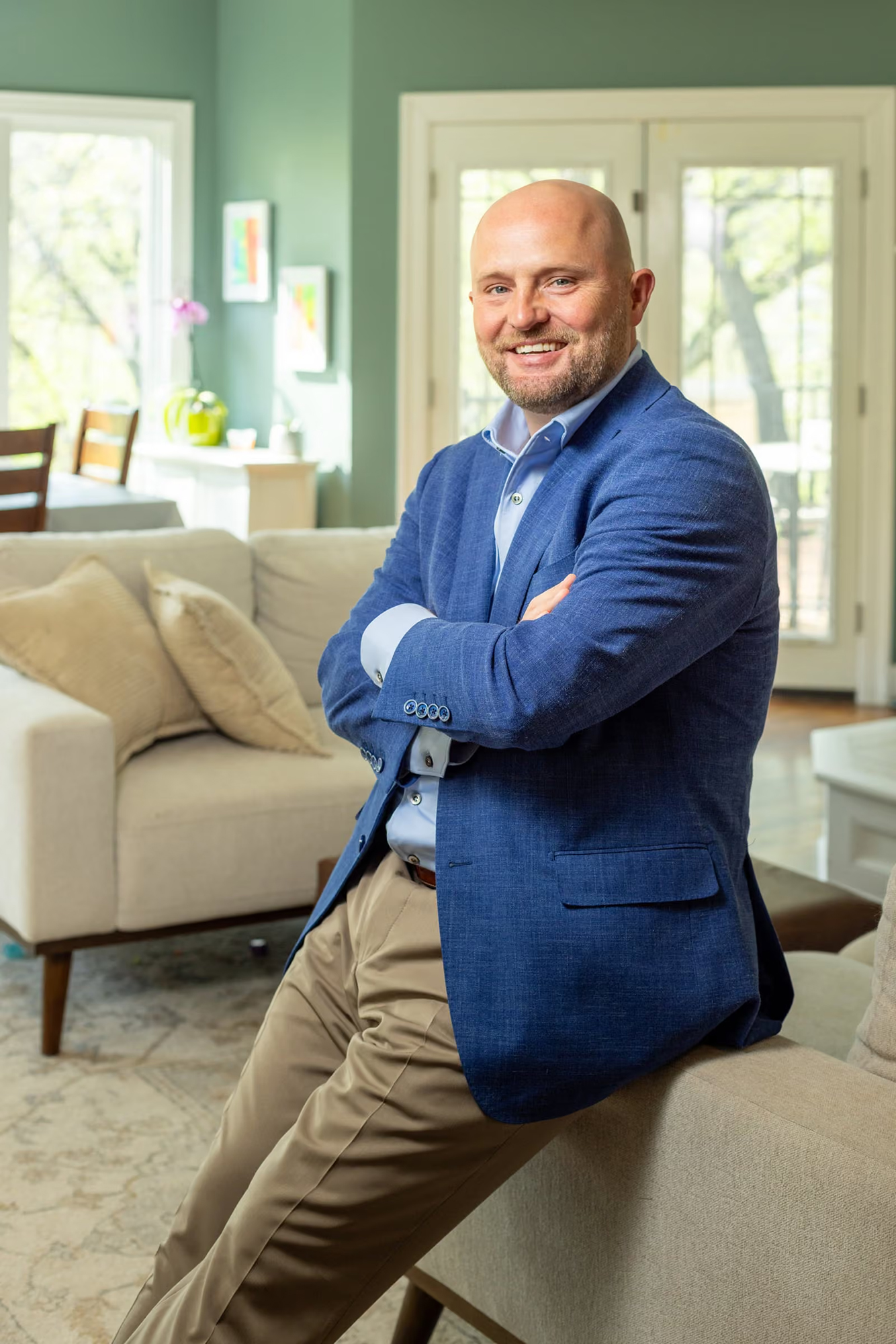
Wes Rogers, 2nd District councilman, KCMO
“We can watch baseball at Kauffman. It’s a beautiful stadium,” said Rogers, 2nd District councilman for Kansas City, Missouri. “The reason this deal is exciting is because it really will activate downtown in a way that nothing else can.”
That makes a $600 million funding commitment — approved Thursday on an 11-2 vote — worth the cost, he told Startland News, noting the overall $3 billion project (the $1.9 billion stadium plus a surrounding entertainment district) will pay dividends in the near and long terms.
The project framework (Ordinance 260704) passed this week brings the Royals downtown — opening a stadium in spring 2030 under a new, 30-year lease (with the option for five, two-year extension options) — keeps Hallmark’s global headquarters in Kansas City, and notably includes provisions to boost union workers, youth, and a local homeless initiative.
Click here for more insights into the just-approved agreement.
“Once the Chiefs decided to leave, I think that changed the landscape of this quite a bit, but even I — probably the biggest supporter of downtown baseball of any elected in the city — am not going to move forward something that doesn’t make financial sense,” Rogers said. “When the dust settles, you’re going to see that we’re not just pushing it through just because it’s downtown Major League Baseball, but because it’s going to grow our local economy.”
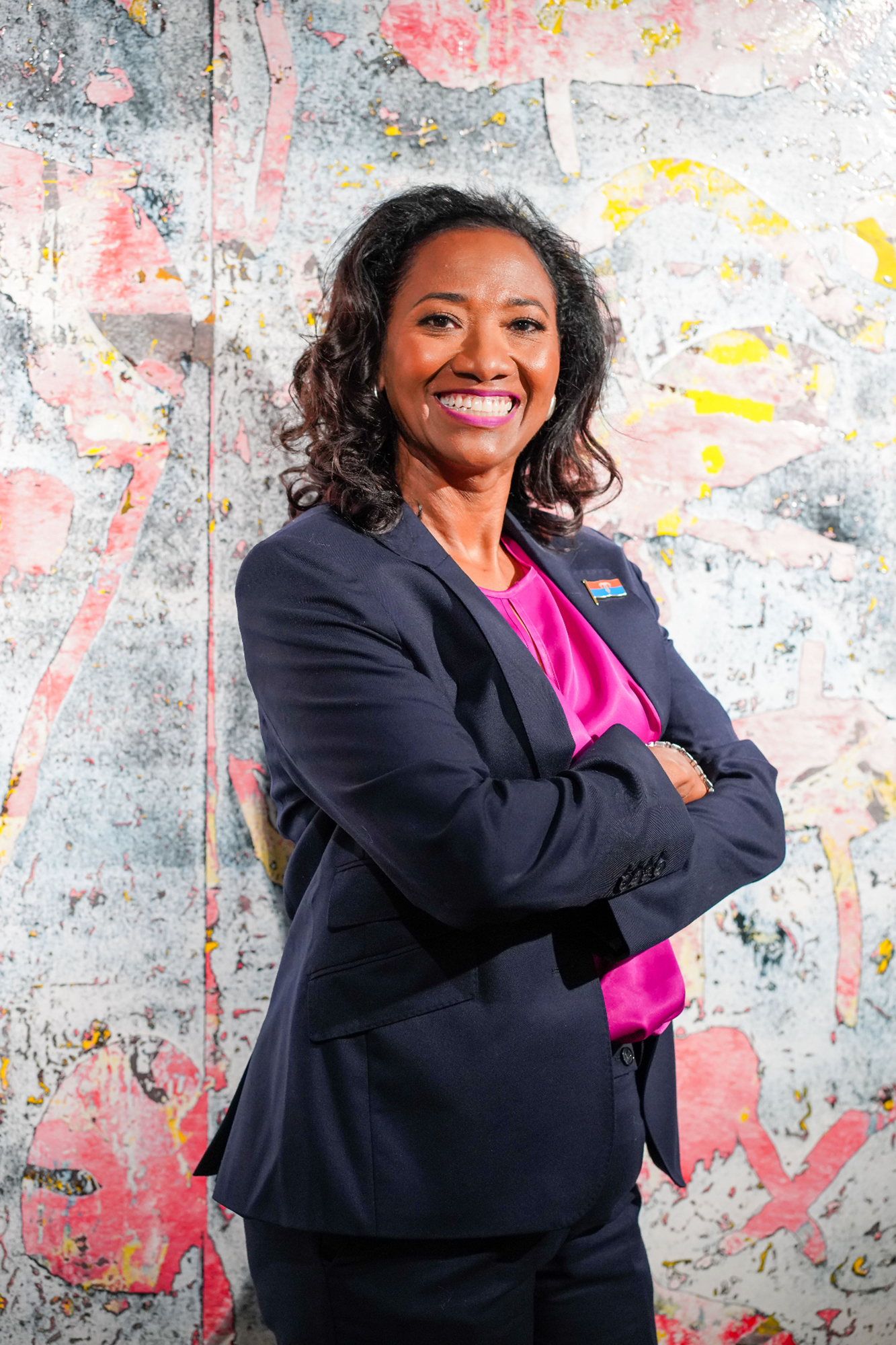
Ryana Parks-Shaw, mayor pro tem and 5th District councilwoman, KCMO
The Royals ballpark plan still faces a critical zoning vote Sept. 3, and city leaders said the baseball club must address additional conditions and concerns as the process moves forward — including conversations over the Tax Increment Financing plan, applications in partnership with the State of Missouri, further community engagement, and a third-party financial analysis that must be reviewed by the city council.
“My priority is making sure this is not a blank check,” said Ryana Parks-Shaw, mayor pro tem and 5th District councilwoman, who also voted in support of the deal. “It should be a real opportunity for the people of Kansas City, our workers, our businesses, our neighborhoods and our continued economic growth.”
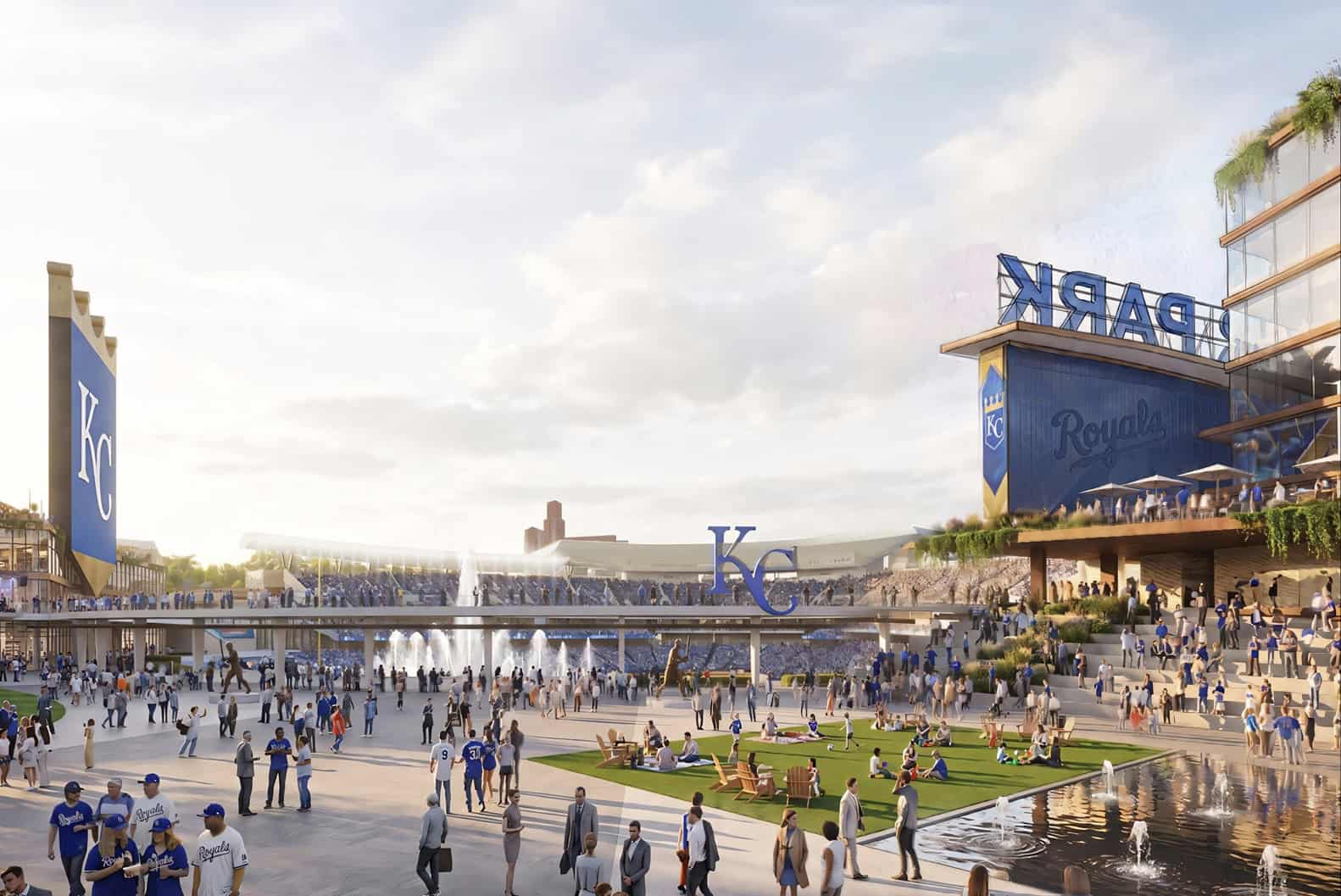
A rendering of the outfield plaza at the future of Royals stadium at Crown Center; rendering courtesy of Populous
A public-private generational commitment
Months of negotiations between the city — led in large part by City Manager Mario Vasquez — and the Royals have demonstrated “Kansas City and its leaders can walk and chew gum,” said Mayor Quinton Lucas, touting details of the deal, which includes the following framework:
- The city would commit a fixed total of $600 million to the overall $1.9 billion cost of the stadium; $90 million is anticipated to be provided as city infrastructure funding, with the remaining $510 million to be provided as city-supported bonds.
- The Royals would also enter into a Community Impact Partnership Agreement that includes no less than $55 million; $24 million of that will be paid up front, and at least $1.03 million annually.
- Programs benefitting from the up-front contribution: Housing Gateway Homelessness Initiative, Negro Leagues Baseball Museum capital contribution, and a fixed rail study for Union Station.
- The annual contribution will go toward: Relocation Area Impact Account, Washington Square Park activation, maintenance and operations, and arts acquisition, installation, and maintenance requirements.
- The team will make a commitment for all repair, maintenance, utilities, and operations costs.
- The city will receive a share of 5 percent of net profits of all non-baseball events.
The agreement also includes a commitment from the Royals of $5 million upfront for investment in future urban core athletics, along with an additional $5 million in ongoing facility and programmatic support for the entire life of the agreement, according to Melissa Patterson Hazley, 3rd District at-large councilwoman, who lobbied for the addition.
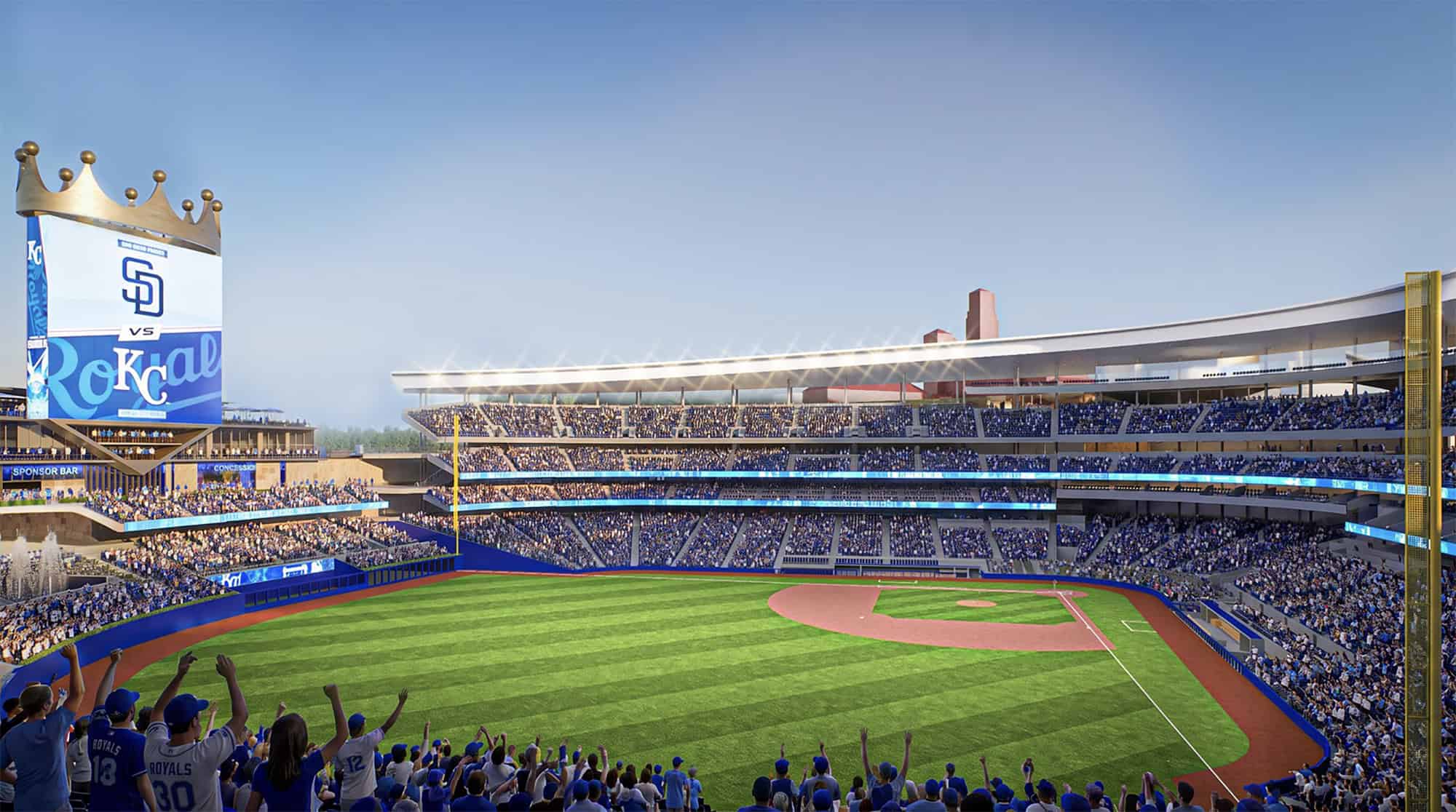
A stadium rendering from left field at the future of Royals ballpark at Crown Center; rendering courtesy of Populous
Hazley, Parks-Shaw, and Rogers also all pointed to a recently negotiated agreement between the Royals and SEIU Local 1 — which represents 50,000 union members across the Midwest — to ensure higher wages for service industry workers associated with the ballpark project. (A move that earned SEIU’s endorsement of the Royals’ plan.)
“The SEIU are getting the best deal in the history of Major League Baseball, and they will tell you they’ve got the best part-time jobs in the Kansas City region,” said Rogers.
“If the city puts together a deal that serves the taxpayers and is fair to workers and small businesses, that’s my priority,” he continued.
Baking in such wins for residents proves “you can be bold and progressive while continuing to create economic development success that will secure opportunity for generations ahead,” Lucas noted.
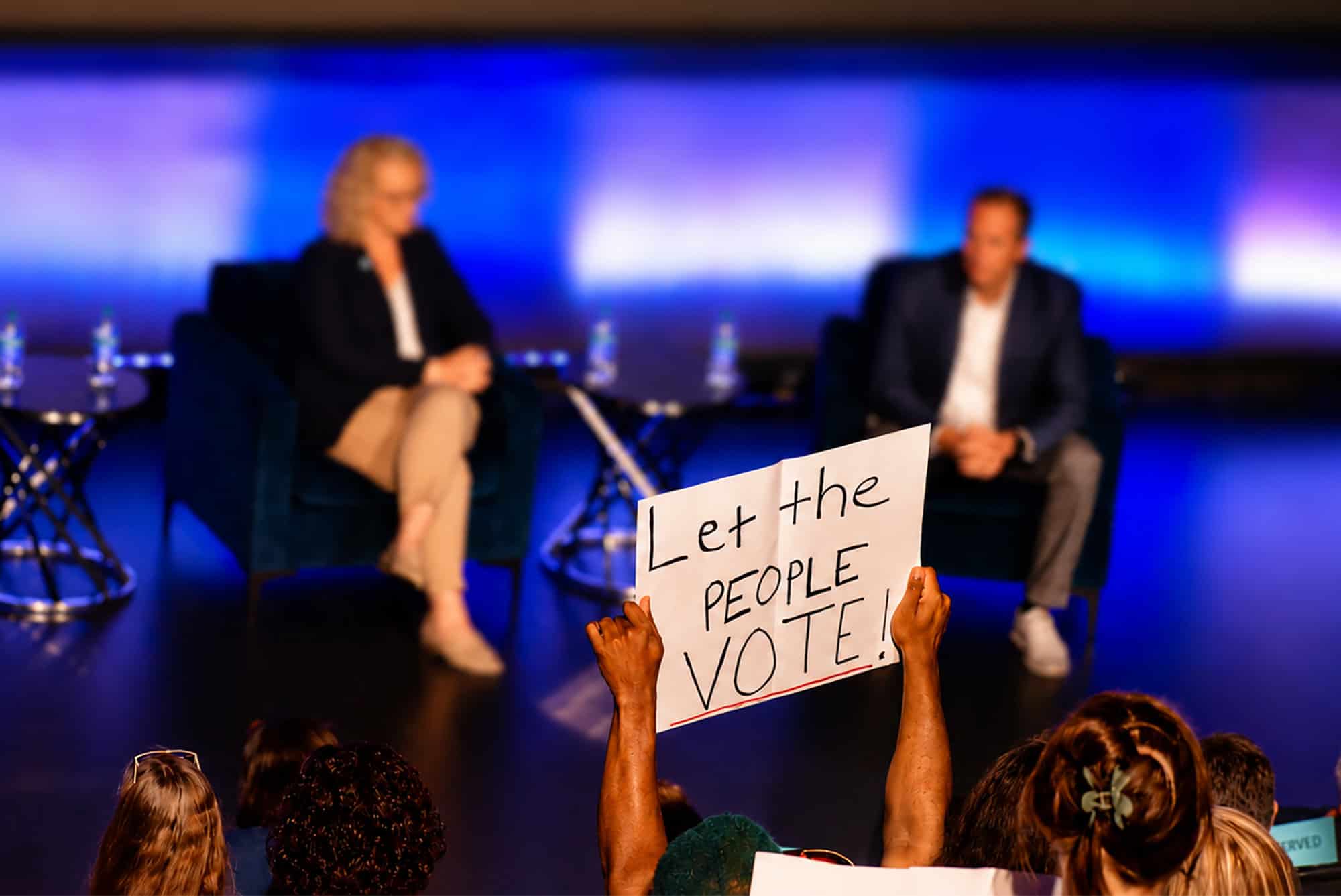
A critic of the Royals’ plan to build a stadium at Crown Center holds a “Let the People Vote” sign during a public meeting in the Regnier Theatre at Union Station; photo by Nikki Overfelt Chifalu, Startland news
Council members question timing, lack of public vote
Thursday’s two dissenting council votes — Nathan Willett, 1st District, and Johnathan Duncan, 6th District — didn’t necessarily object to the vision shared by fellow elected officials or the Royals ballpark relocation itself, they said, instead taking issue with the process behind securing taxpayer funding for the $3 billion project.

A ballpark rendering placing the Royals’ stadium at Crown Center shows a new vision for a downtown ballpark district and Kansas City’s skyline; rendering courtesy of Populous
“I believe this will be a transformational project that will leave KC better off for generations to come if done the right way,” Willett told Startland News. “During my campaign for council, the majority of constituents made it clear that they believe voters should decide on the large financial aspects of the package. I agree with my constituents.”
A community engagement meeting in July related to zoning for the project, as well as a city finance meeting this week, were disrupted by protestors who demanded a public vote because of the related public financing and labor negotiations.
RELATED: Kansas City conjured a Royals deal without voter approval; That comes at a price
Some critics of Thursday’s vote — including leaders of the Missouri Workers Power organization — suggested city council members rushed to approve the agreement to avoid a public vote, forced by petition.
Kansas City’s previous sales tax ballot question in 2024 on whether to back the club’s planned move from Kauffman Stadium to a site in the Crossroads Arts District failed with voters. Opponents at the time questioned the Royals’ transparency throughout the process, with community and activist groups pointing criticism at a lack of communication between the baseball club and impacted small business owners in the footprint of the proposed ballpark district.
Willett sponsored rezoning Ordinance 260705 for the project, “which, unlike the previous downtown stadium proposal, has agreements with all property owners and looks to redevelop office space that is no longer being utilized,” he said.
Duncan, who previously voiced concerns about the limited time council members had to study the agreement, raised new alarms Thursday before the vote about substitutes within the plan that leaders had not yet reviewed, as well as the not-yet-delivered third party financial analysis.
“I would like to know where we are in our analysis of this?” Duncan said in council chambers before the vote. “How do we know that the bonds that we are getting ready to allow the city manager to execute are actually going to be able to pay for themselves?”
Andrea Bough, 6th district at-large councilwoman and co-sponsor of the agreement, noted the deal before city leaders Thursday was a development agreement and funding framework, not the actual financing mechanism to be used for the project, which will be addressed through additional TIF discussions.
The third party financial analysis is expected within the next three weeks, city leaders said, with Lucas later telling the Kansas City Star that the project would not move forward if the third party review found it did not support the city’s goals.
OPINION: Why we still need a fuller picture of the Royals’ new downtown stadium project
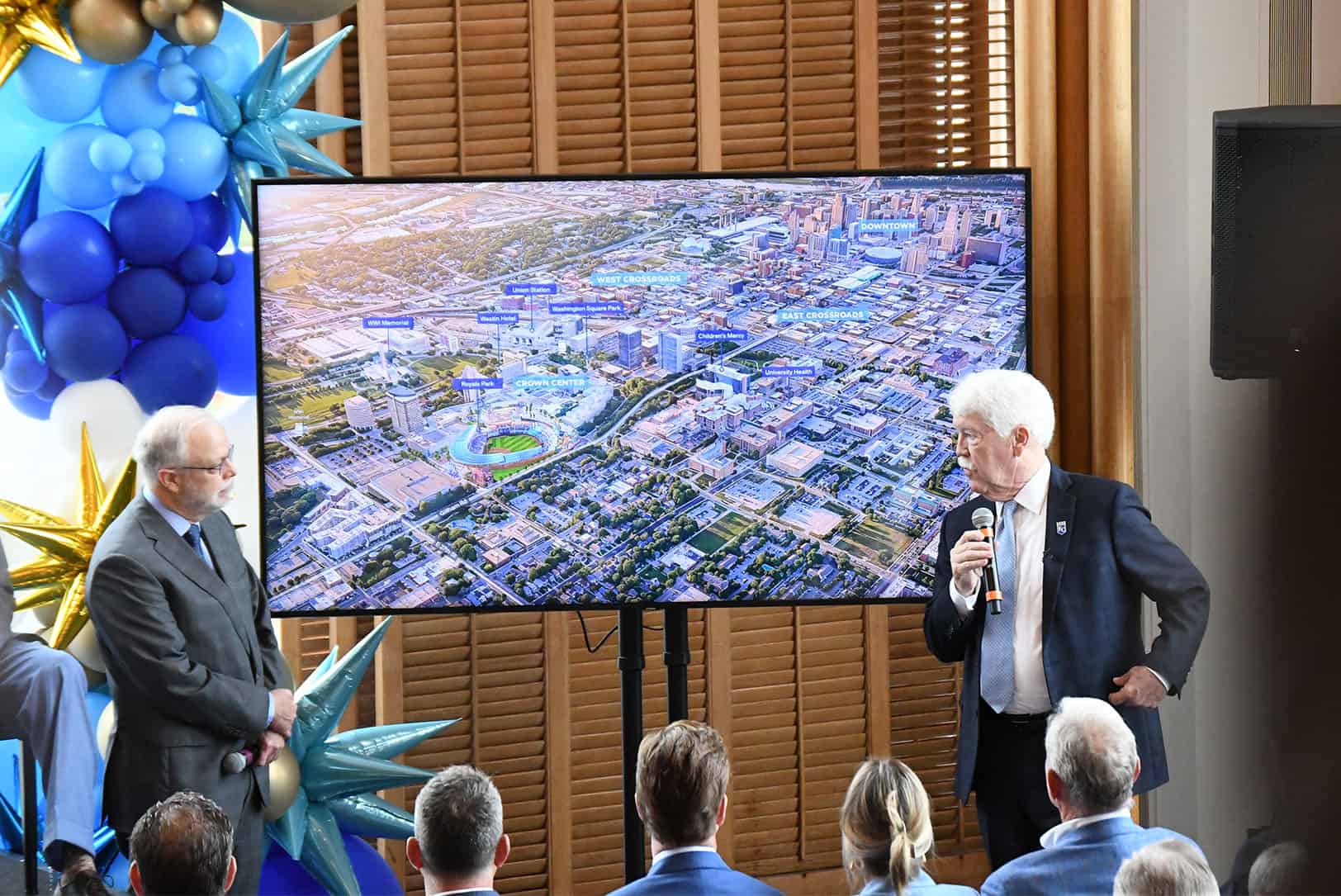
Don Hall Jr., executive chairman of the board of directors for Hallmark Cards, and John Sherman, CEO and chairman of the Royals, provide greater context to renderings of a new ballpark at Crown Center during an announcement event in April at The American restaurant; photo by Austin Barnes, Startland News
‘Nothing wrong with building great projects’
City leaders on Thursday emphasized this week’s votes — including critical finance committee advancements Tuesday — are just steps in lengthy process that will continue decades of transformation within the city.
“The evolution of Kansas City cannot be overlooked,” Parks-Shaw told Startland News. “We have experienced considerable economic growth over the years, and much of that has come from investing in and revitalizing our central core. I believe the Royals moving downtown can build on that momentum and be a positive step for Kansas City’s future.”
“At the same time, this development has to benefit the Kansas Citians who live and work here,” she said. “The Royals have recognized that responsibility as well.”
Kansas City can capitalize on the public-private economic development opportunity to create a stronger version of itself that can better attract and retain top talent, Rogers said, as well as draw interest for more major events, conventions, and national and regional headquarters.
“We want to be a big league city,” he said. “It’s OK to have fun, and there’s nothing wrong with building great projects that attract more people to Kansas City.”
Fund More Stories
This story was made possible by readers like you. Join them — make a one-time contribution or become a monthly member to sustain our work.