Smart glasses at work: How employers using (or banning) the tech could face legal challenges
August 25, 2026 | Polsinelli At Work
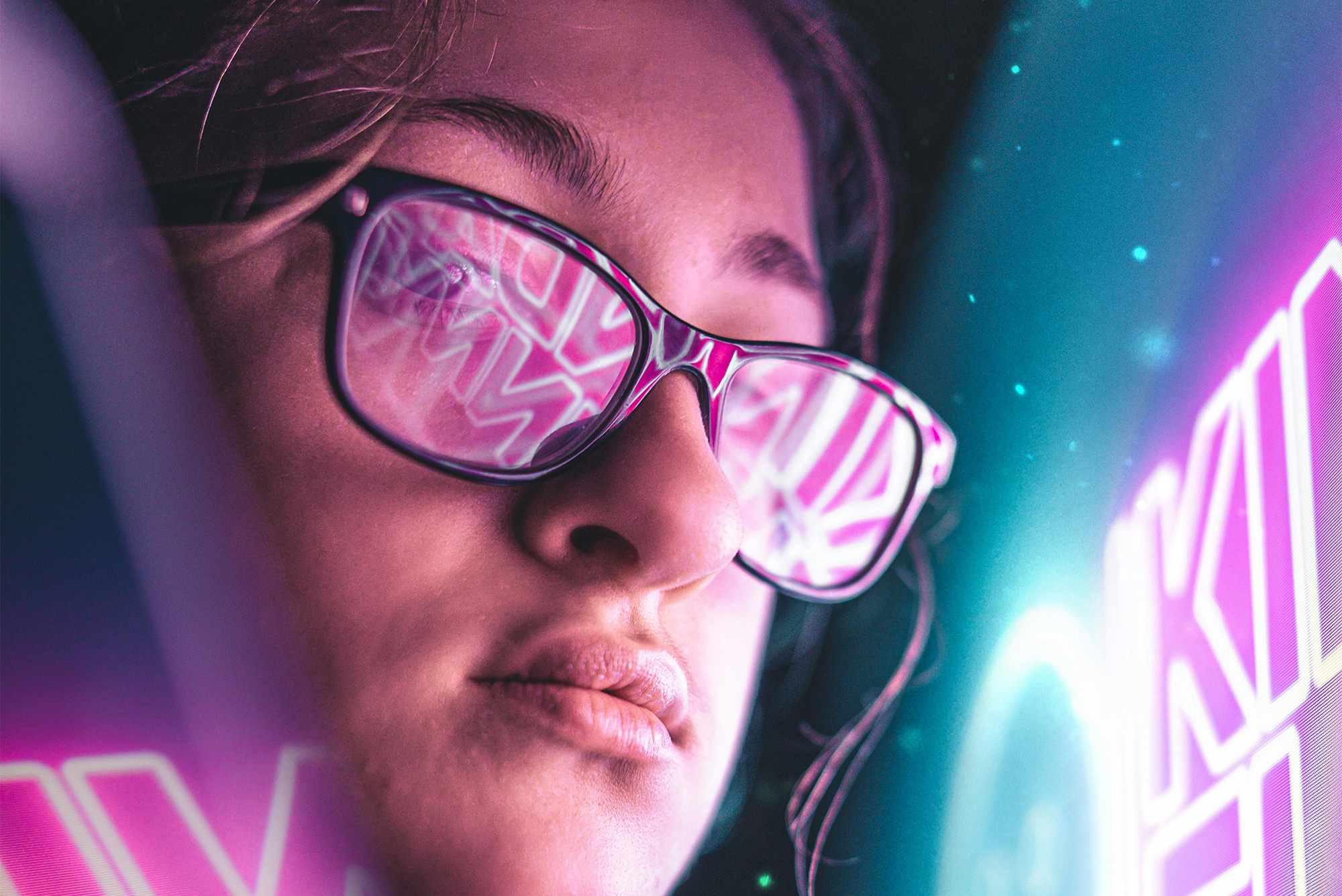
Photo by Bakir Custovic via unsplash
Editor’s Note: The perspectives expressed in this commentary are the author’s alone. Tina Tellado, Mary T. Vu and Emily C. Heimbecker are attorneys with Polsinelli, a nationwide law firm with offices in Kansas City, and a financial supporter of Startland News.
This story was originally published by Polsinelli. Click here to read the original piece.
Smart glasses are becoming increasingly common as consumer adoption grows, artificial intelligence advances and relatively affordable devices become more available. Employers may ban smart glasses, permit employees to use personal devices, provide them as company property or receive requests to use them as disability accommodations.
Regardless of approach, this technology creates legal and operational considerations.
Disability accommodations
Employees may increasingly request smart glasses as a disability accommodations. A recent case illustrates how these requests can lead to litigation.
In Bruno Cedeno v. Walt Disney Parks and Resorts U.S., Inc., a Walt-Disney World employee alleged that light sensitivity caused by postpartum conditions and astigmatism limited her vision and that her provider prescribed Meta smart glasses to address those limitations. In the amended complaint, she alleged that Disney did not allow her to wear smart glasses. She asserted claims including failure to accommodate, disability discrimination, and retaliation under the Americans with Disabilities Act. This case remains pending.
When an employee requests smart glasses as an accommodation, employers should document their participation in the interactive process. The employer and employee should clarify the employee’s needs and identify appropriate and effective accommodation(s).
The employer should seek to identify: 1) the employee’s limitations and workplace barriers; 2) whether the requested accommodation would be effective and reasonable, and, if applicable, whether it would impose an undue hardship; and 3) whether there are effective alternatives that would enable the employee to perform their essential job duties.
Employers should evaluate concerns associated with smart glasses in the context of the particular accommodation request and the employee’s job duties. Certain industries or positions may warrant heightened scrutiny because of the potential for recording, disclosure of confidential information, patient or customer privacy, security restrictions or other job-specific requirements. Positions involving sensitive financial information or protected health information may present particular concerns. Any restriction should be evaluated in light of the specific accommodation request, the employee’s job duties, applicable law and available alternatives.
Privacy and biometric information
Employers that require or encourage employees to use smart glasses may face additional privacy considerations.
Before deploying the technology, employers should evaluate what information the devices capture; whether employees and others receive adequate notice of recording or monitoring; how the collected information is used and stored; who can access it; and how long it is retained. Federal, state and local laws may impose additional requirements.
Workplace privacy rights vary based on factors including the location of monitoring, the nature of information collected, applicable law, employer policies and whether employees received notice. Therefore, employers should not assume that a general workplace monitoring policy addresses all privacy concerns associated with smart glasses.
AI-enabled smart glasses take a step further than the traditional “body camera” surveillance footage, given the technology’s ability to retain and assess information, such as biometric information.
In June of 2026, WIRED reported on an unreleased Meta AI feature internally referred to as “NameTag.” According to WIRED, once enabled, the feature was designed to identify people captured by smart-glasses cameras and alert the wearer when a person was recognized. NameTag was reported to “transform faces captured by Meta’s glasses into unique biometric signatures, commonly known as faceprints, and check each one against faceprints stored on the user’s phone.”
Meta subsequently removed the software components that would have enabled the NameTag function. This illustrates the potential biometric-privacy implications associated with AI-enabled smart glasses.
California employers should also monitor developing privacy laws. California’s Invasion of Privacy Act (CIPA), among other things, generally prohibits intentionally recording a confidential communication without the consent of all parties to the communication.
In April 2026, the California Legislature introduced SB 1130, which, as amended August 13, 2026, would prohibit the operation of “a wearable recording device to capture sound or video of any other person in any area within a place of business where the person has a reasonable expectation of privacy, unless the person operating the device has the explicit consent of that person to capture sound or video of that person.”
The current bill includes exceptions for: 1) devices and technologies that enable a person’s access and participation in daily activities in light of a disability; and 2) body cameras worn by public or peace officers in the course of their official duties.
The California Consumer Privacy Act (CCPA), as amended by the California Privacy Rights Act (CPRA), also applies to employee personal information collected by covered businesses. An employer that deploys smart glasses and receives or processes information collected from them should consider what personal information is collected about employees, customers or others, and applicable notice, use, retention, security and consumer-rights obligations.
The CCPA requires certain information in a “notice at collection,” including categories of personal information and the purpose of the use. Covered businesses must also evaluate whether their collection, use, retention and disclosure through smart glasses is consistent with the disclosed purpose and other applicable CCPA requirements.
Other states impose biometric-specific requirements. For example, under Illinois’ Biometric Information Privacy Act (BIPA), private entities are generally required to provide written notice and obtain a written release before collecting, capturing and storing biometric information, such as a faceprint.
Employers using smart glasses in the workplace should be cognizant of notice requirements before introducing the technology. Before implementing smart glasses or similar AI-enabled devices, employers should consider a legal and privacy review covering notice, consent, retention, security and data-use requirements.
Policies and practices
Now is an appropriate time to review both policies and practices, draft any necessary changes and communicate expectations surrounding AI and recordings to the workforce.
- Does the employee handbook or existing policies address artificial intelligence, recordings, cameras, wearable technology, surveillance or similar devices?
- Are the current workplace practices consistent with those policies?
- Should the policies be revised to address smart glasses, AI-enabled devices, recording, privacy, confidentiality or biometric information?
- Do existing policies appropriately distinguish between employer-issued devices, employee-owned devices and devices used as a reasonable accommodation?
Polsinelli attorneys are readily available to assist employers with navigating this analysis, drafting workplace policy and communicating it to the workforce. Tina Tellado, Mary T. Vu and Emily C. Heimbecker are attorneys in Polsinelli’s Philadelphia and Los Angeles offices.