Rare KC hires first exec in bid to close gaps for families impacted by rare health threats
October 8, 2026 | Tommy Felts
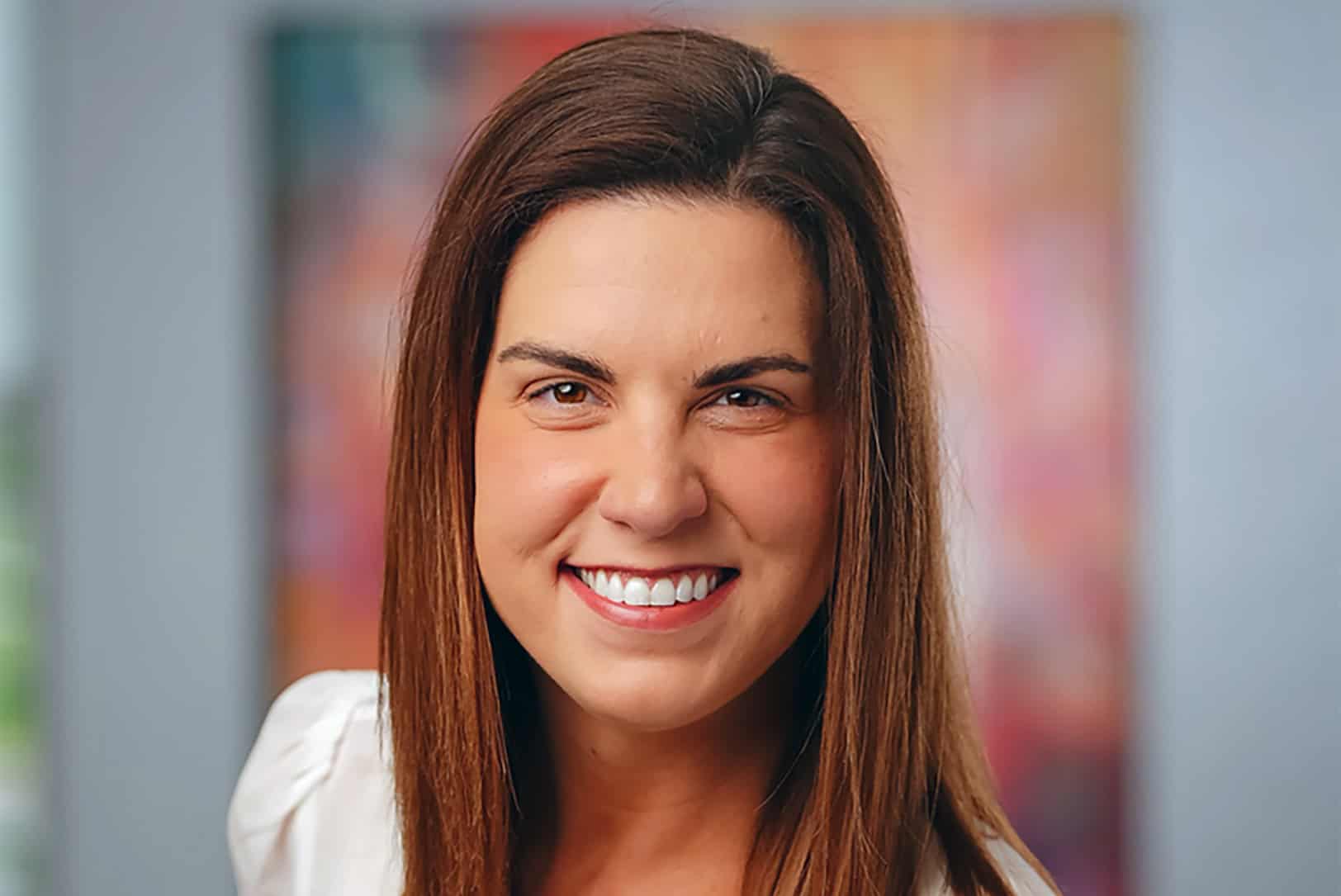
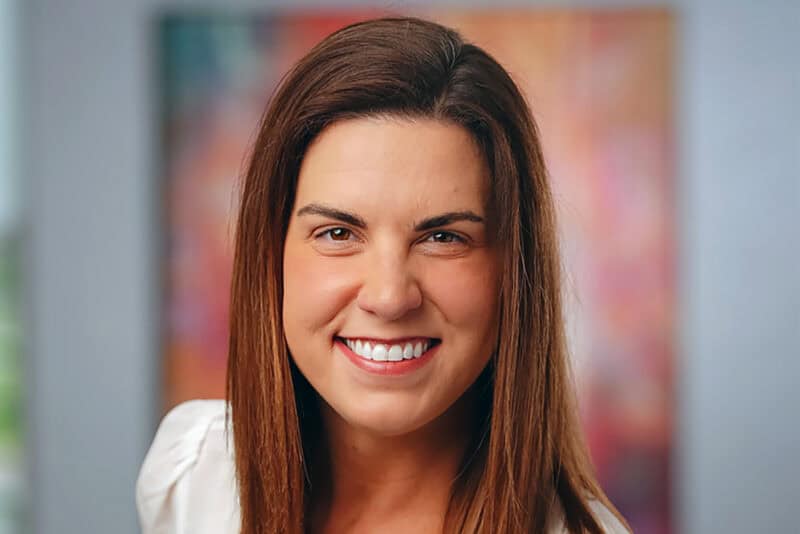
Brooke Hilst, Rare KC; courtesy photo
Adding a full-time executive director to lead the Rare KC initiative is expected to help the organization accelerate support and innovation around rare diseases, genetic conditions, and cancers, said Dennis Ridenour, announcing the hire as an extension of BioNexus KC’s partnership and shared regional strategies.
Brooke Hilst, who most recently served in executive roles with the Arthritis Foundation, joins Rare KC after more than a decade in nonprofit leadership. The move marks a significant milestone for the organization, said Ridenour, president and CEO of BioNexus KC.
“This moment signals a transition from building the foundation to expanding Rare KC’s reach, impact, and long-term sustainability,” he continued. “Brooke will work closely with the patient and caregiver community to advance the mission of Rare KC, to drive innovation in the diagnosis, care and treatment of rare diseases and rare cancers. Importantly, she will bring a regional perspective to this work, fostering collaboration among numerous organizations that have rare disease and rare cancers as strategic priorities.”
 Founded by advocate and healthcare entrepreneur Kelly Ranallo in 2015, RareKC and BioNexus KC announced partnership plans in June — centering the relationship around expanded patient engagement, support for families, and more coordinated resources among patients, caregivers, clinicians, researchers, and industry partners.
“A key focus will be developing intentional programming, strengthening fundraising efforts, and building meaningful partnerships across the entire rare disease community,” Ridenour said of Hilst’s earliest priorities in the role.
As executive director, she’ll serve as the chief operator and lead ambassador — owning execution, accountability, and outcomes, he added.
“What makes this especially powerful for the KC region is Brooke’s ability to convene people and organizations with unique strengths and perspectives,” Ridenour said. “She will connect patient families, advocacy groups, nonprofits, healthcare organizations, and other community partners to create a more coordinated and supportive ecosystem for people living with rare.”
Hilst is thrilled by the potential for impact through exposure as Rare KC’s first executive director — and first full-time employee, she said.
“I understand the importance of bringing awareness and attention to disease types that are less prevalent or more difficult to ‘see,’ and I’m passionate about connecting patients, families, healthcare providers, researchers, advocates, and community partners in that work,” Hilst said, drawing on her experience leading mission-driven nonprofit organizations and fundraising programs.
With dedicated leadership now in place, Rare KC will be the trusted, go-to resource and connector for the rare community while helping the Kansas City region emerge as a stronger, more collaborative community for rare patients and families, Ridenour said.
That outcome is an important extension of BioNexus KC’s broader mission to advance science, strengthen the region’s research ecosystem, and improve health outcomes across Kansas City, he added.
“BioNexus KC has built a strong network of partners who are at the forefront of diagnosing, treating, and understanding rare diseases, creating a natural opportunity to connect scientific and clinical innovation with the experiences and needs of patients and families,” Ridenour explained. “The partnership between BioNexus KC and Rare KC provides the infrastructure, relationships, and resources needed to expand Rare KC’s impact and build a stronger, more connected rare community. In turn, Rare KC brings an essential patient and family perspective to the broader ecosystem.”
In partnership with BioNexus KC, Rare KC is planning its two-day “Zebra Summit” Nov. 17-18 in Kansas City — an inaugural conference intended to rally patients, families, researchers, and clinicians who understand the rare journey firsthand.
Fund More Stories
This story was made possible by readers like you. Join them — make a one-time contribution or become a monthly member to sustain our work.