‘Progress doesn’t mean a wrecking ball’: 10-minute doc touts CCED success ahead of sales tax vote to fund it
July 23, 2026 | Startland News Staff
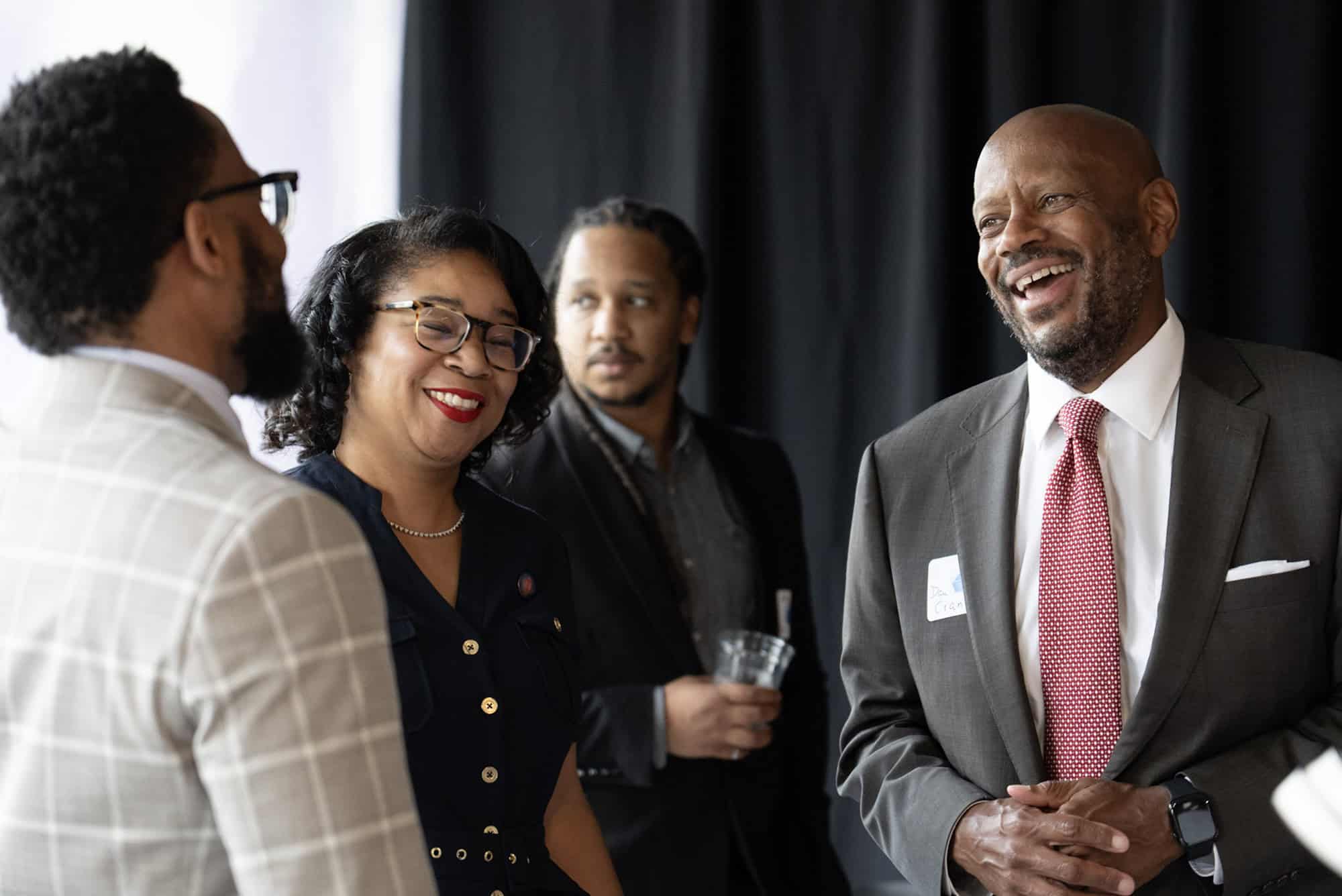
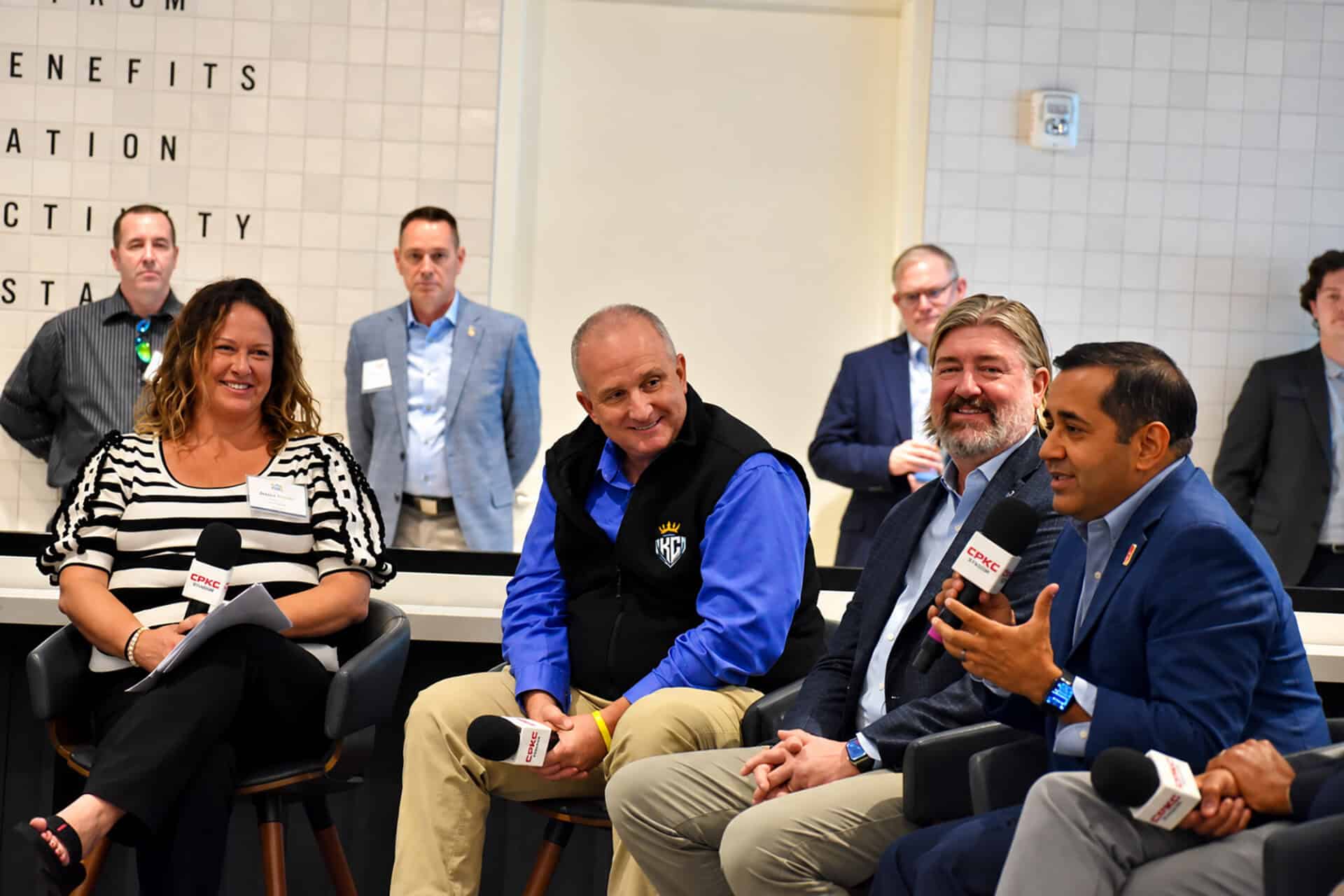
Dan Cranshaw, chairman of the CCED Sales Tax Board, right, shares a laugh with Jeremy Davis, director of CCED, and Melissa Patterson Hazley, councilwoman for Kansas City, Missouri, during a premiere event to celebrate the release of the “Investing in Legacy” mini-documentary promoting the Central City Economic Development (CCED) Sales Tax Program ahead of an Aug. 4 vote in Kansas City; photo courtesy of EDCKC
A just-released mini-documentary showcases the infrastructure impact of a Kansas City investment program that has reshaped blighted neighborhoods from downtown to the east side, said Tracey Lewis, but the project also aims to highlight the human ripple effect of the sales tax-funded initiative.
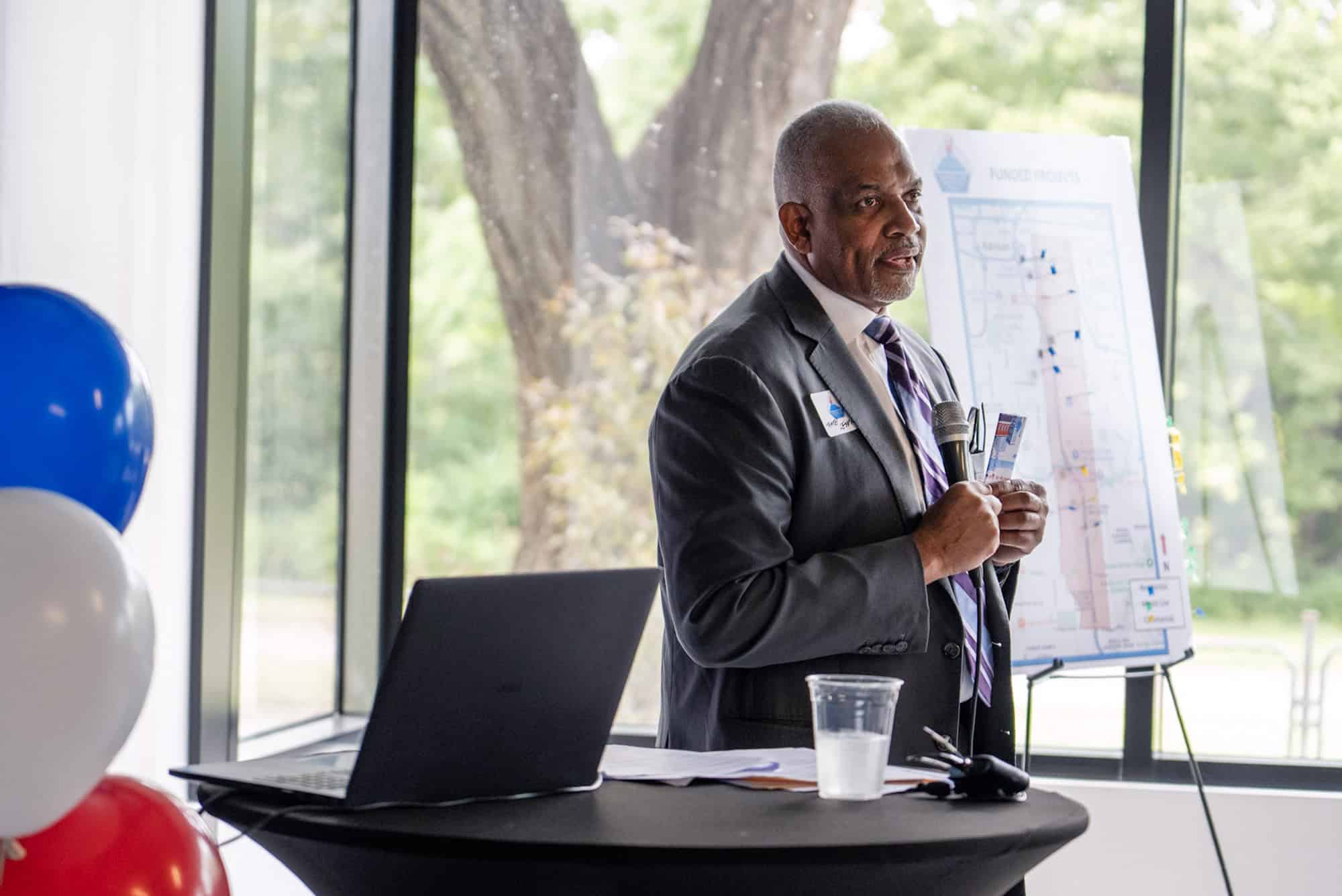
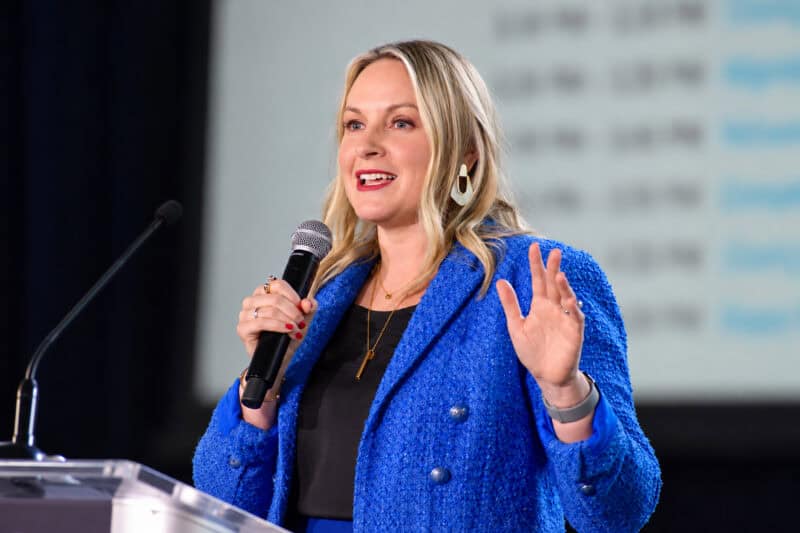
Tracey Lewis, president and CEO of the EDCKC, speaks during a premiere event to celebrate the release of the “Investing in Legacy” mini-documentary promoting the Central City Economic Development (CCED) Sales Tax Program ahead of an Aug. 4 vote in Kansas City; photo courtesy of EDCKC
“This documentary reminds us that behind every project is a person, a neighborhood, and a community committed to creating opportunities,” said Lewis, president and CEO of the Economic Development Corporation of Kansas City (EDCKC), which produced the 10-minute “Investing in Legacy” film. “It is ultimately a story about partnership, perseverance, and the power of communities investing in themselves.”
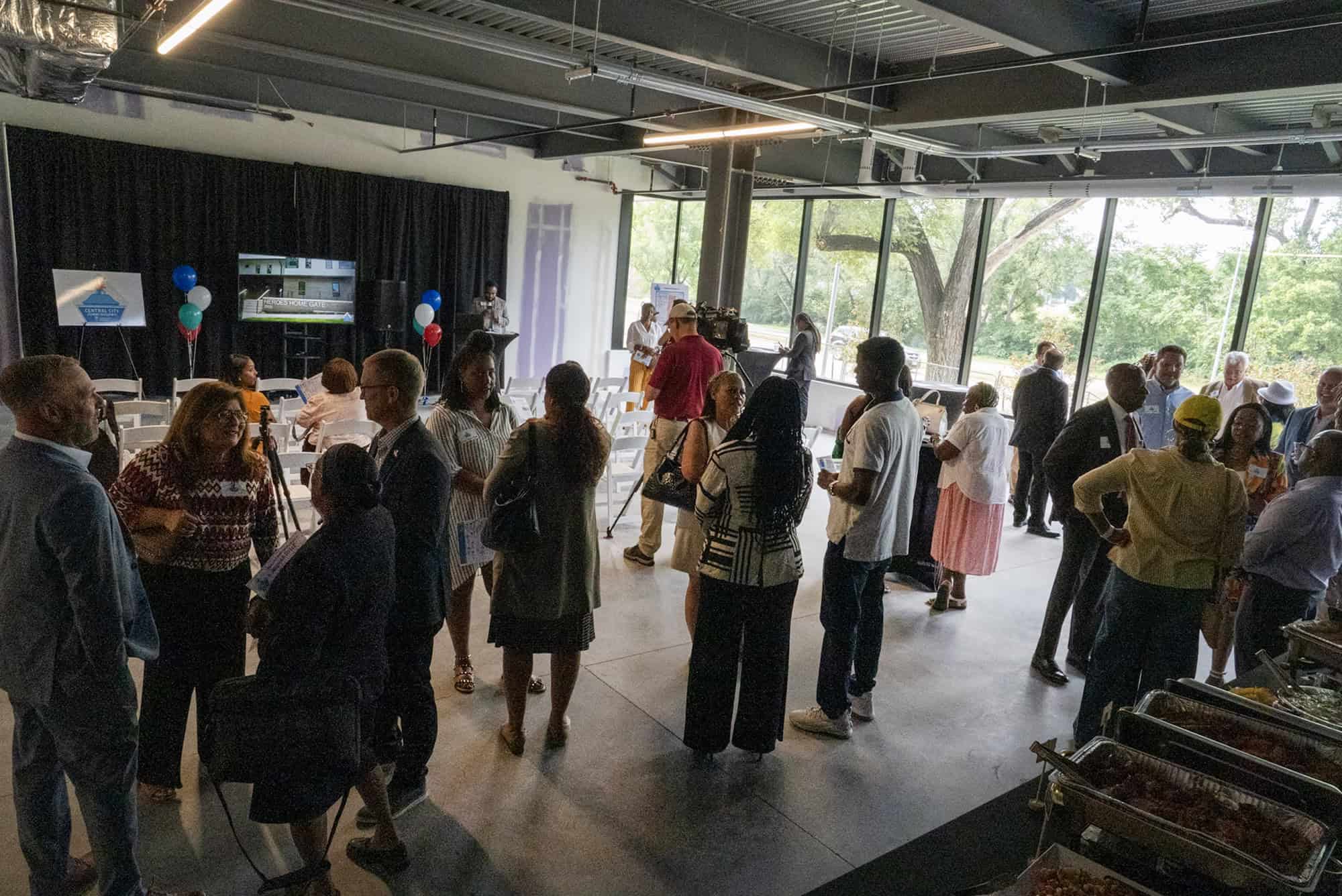
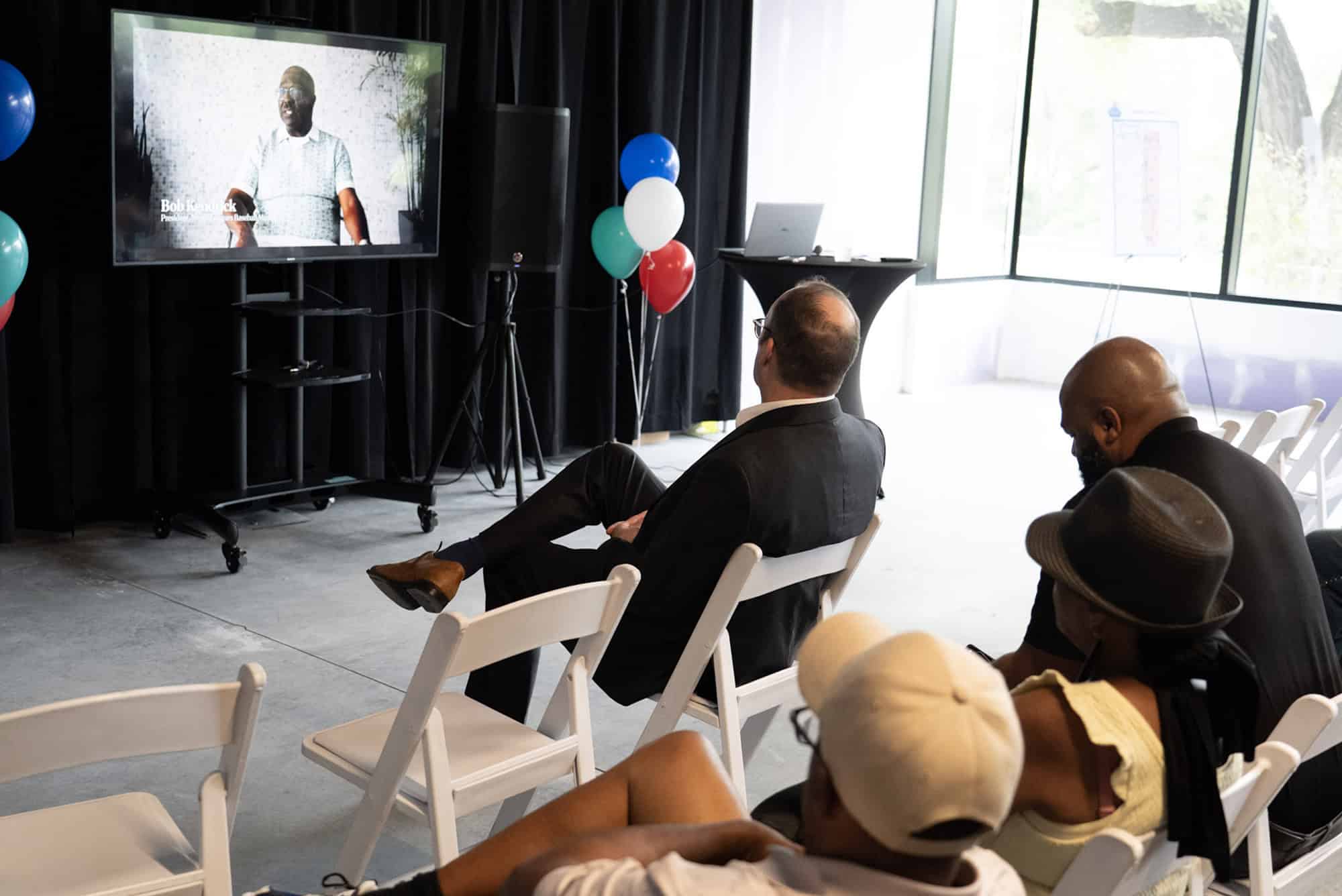
A premiere event Wednesday at The Offices at Overlook gathered community leaders, developers, residents, and business owners less than two weeks before an extension of the Central City Economic Development (CCED) Sales Tax Program advances to the Aug. 4 ballot.
ICYMI: Lesser-known sales tax faces pivotal 2026 vote, opportunity to define its next chapter
CCED was originally passed by voters in 2017 as a one-eighth-cent sales tax to support equitable economic development throughout Kansas City’s Central City. Its gap financing has helped fund dozens of projects — from new affordable housing to revitalization in the historic 18th & Vine Jazz District — meant to encourage commercial redevelopment, support entrepreneurship, and strengthen neighborhoods, according to the EDCKC, which now administers the program.
Since its inception, CCED has invested more than $88 million across such projects, leveraging nearly $1 billion in total development, according to the organization.
The “Investing in Legacy” documentary explores the stories behind some of those deals — through interviews with an array of catalytic founding board members, community developers, business owners, engineers, historians, elected officials, and neighborhood advocates.
“Progress doesn’t mean a wrecking ball,” said Mayor Quinton Lucas in the documentary, decrying nationwide development and disinvestment practices prior to CCED that bulldozed neighborhoods first, and considered the consequences later, if ever.
The documentary opens with a heavy emphasis on 18th & Vine before delving deeper into the tax itself, as well as other funded efforts.
“CCED has always been about more than financing projects,” said Dan Cranshaw, chairman of the CCED Sales Tax Board. “It represents a community’s commitment to investing in itself. This documentary captures not only what has been built, but why those investments matter and how they continue creating opportunities for future generations.”
Following the premiere event, the documentary debuted online for wider distribution ahead of the coming vote. Watch it below.
Fund More Stories
This story was made possible by readers like you. Join them — make a one-time contribution or become a monthly member to sustain our work.