BioNexus KC celebrates ‘regional backbone’ connecting science, talent, tech and momentum
October 22, 2026 | Nikki Overfelt Chifalu
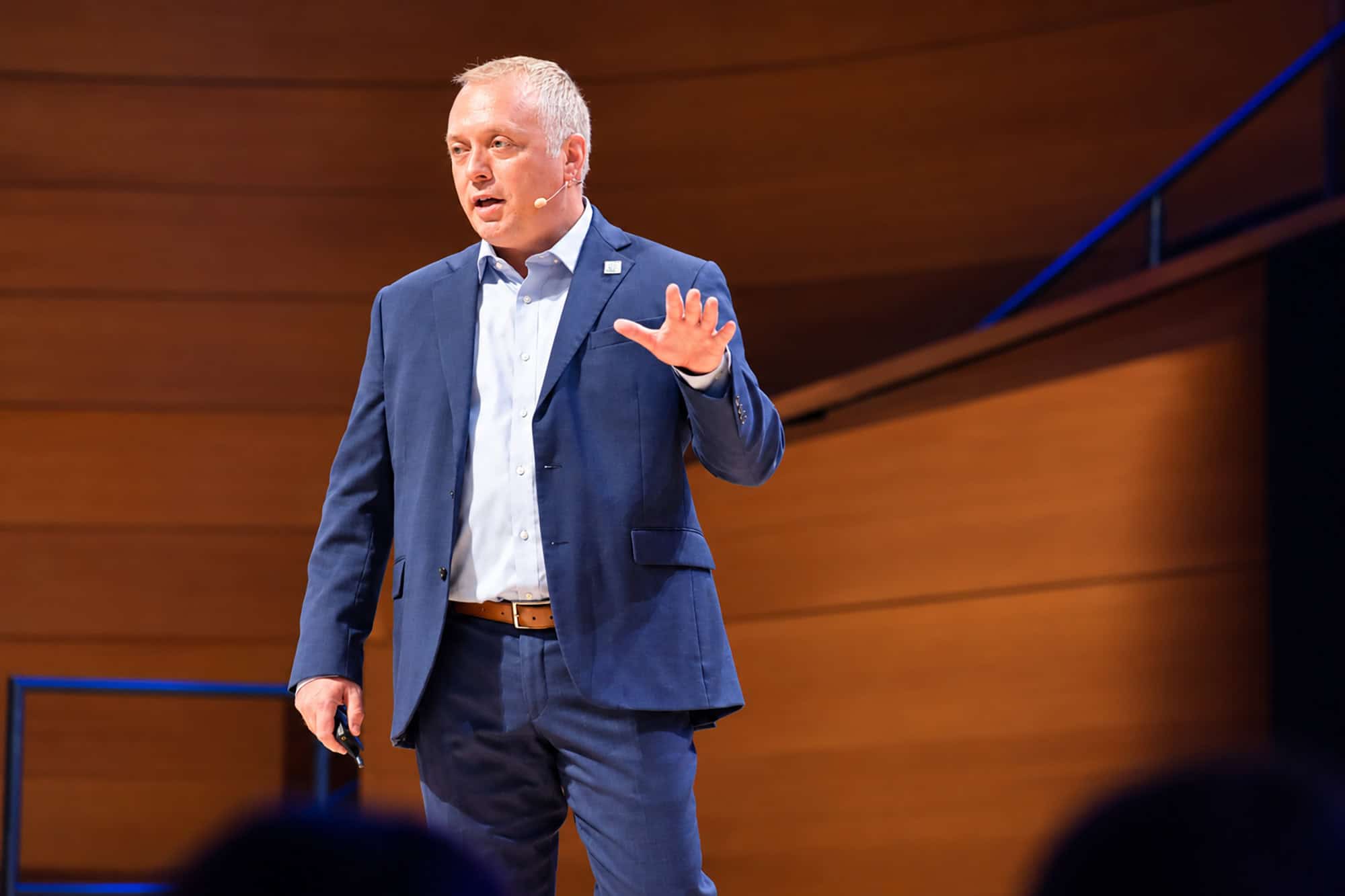
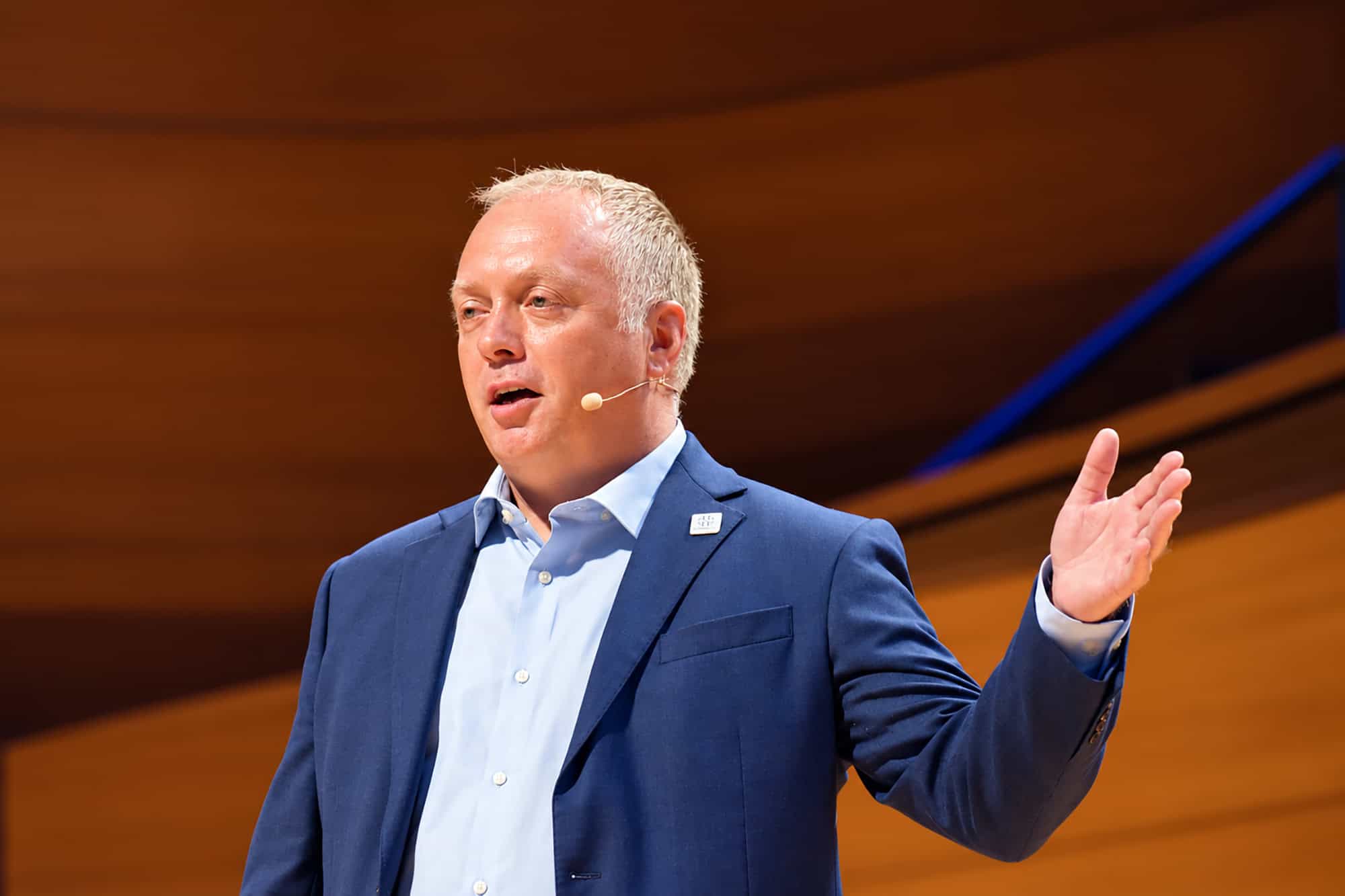
Dennis Ridenour, president and CEO of BioNexus KC, delivers an update on Kansas City's regional life sciences ecosystem during the organization's annual event; photo by Nikki Overfelt Chifalu, Startland News
The scale of opportunities within Kansas City’s bio health industry would’ve been challenging to imagine even just five years ago, said Dennis Ridenour, touting a streak of groundbreakings, collaborations, game-changing announcements, and major investments — all rallying together the right people and institutions.
“Bottom line, the Kansas City region and our life sciences ecosystem are moving with real purpose and momentum,” Ridenour, president and CEO of BioNexus KC, said Tuesday night during the organization’s annual event. “BioNexus KC has been doing our part to align the region and advance big initiatives that will broadly benefit everyone within the ecosystem.”
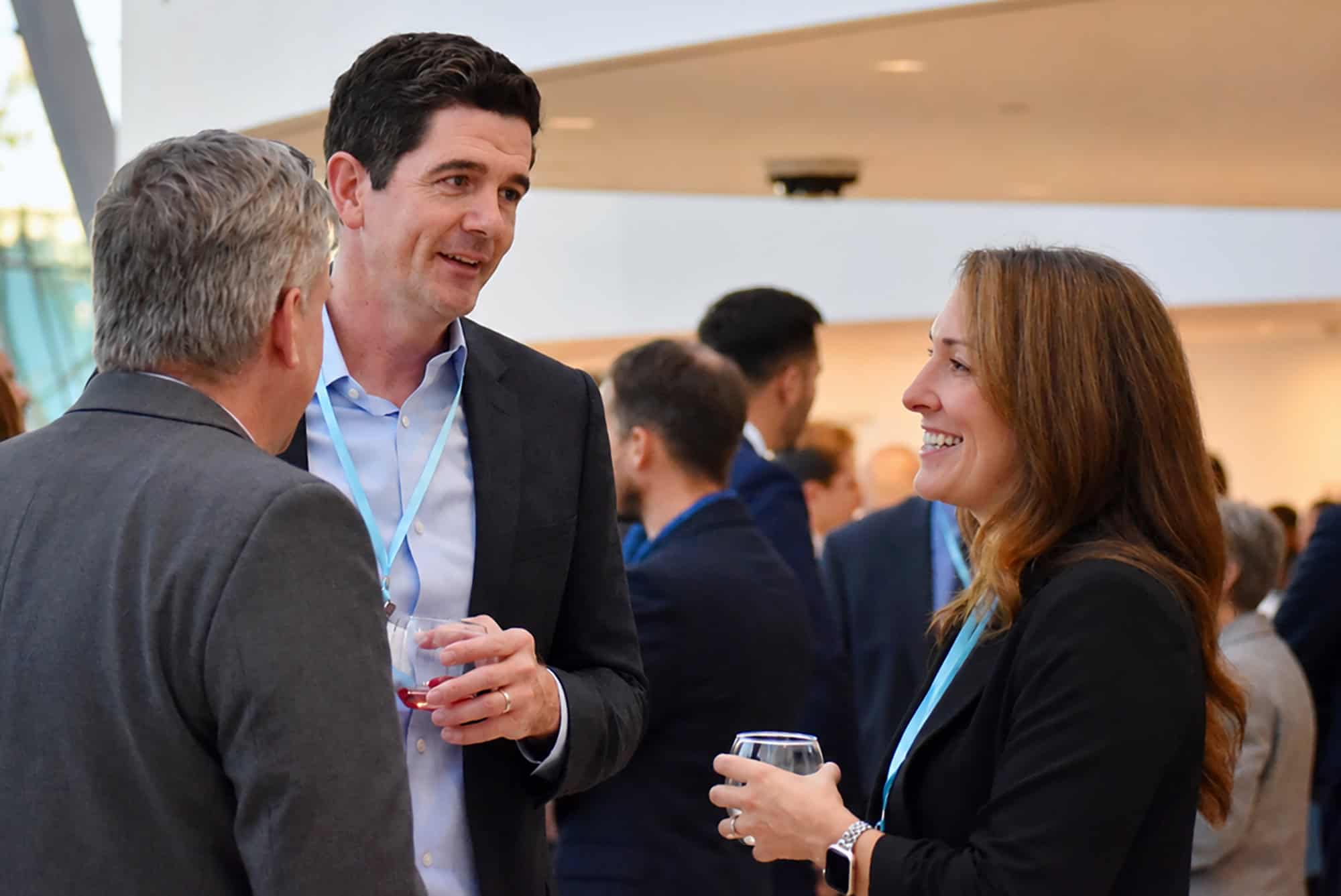
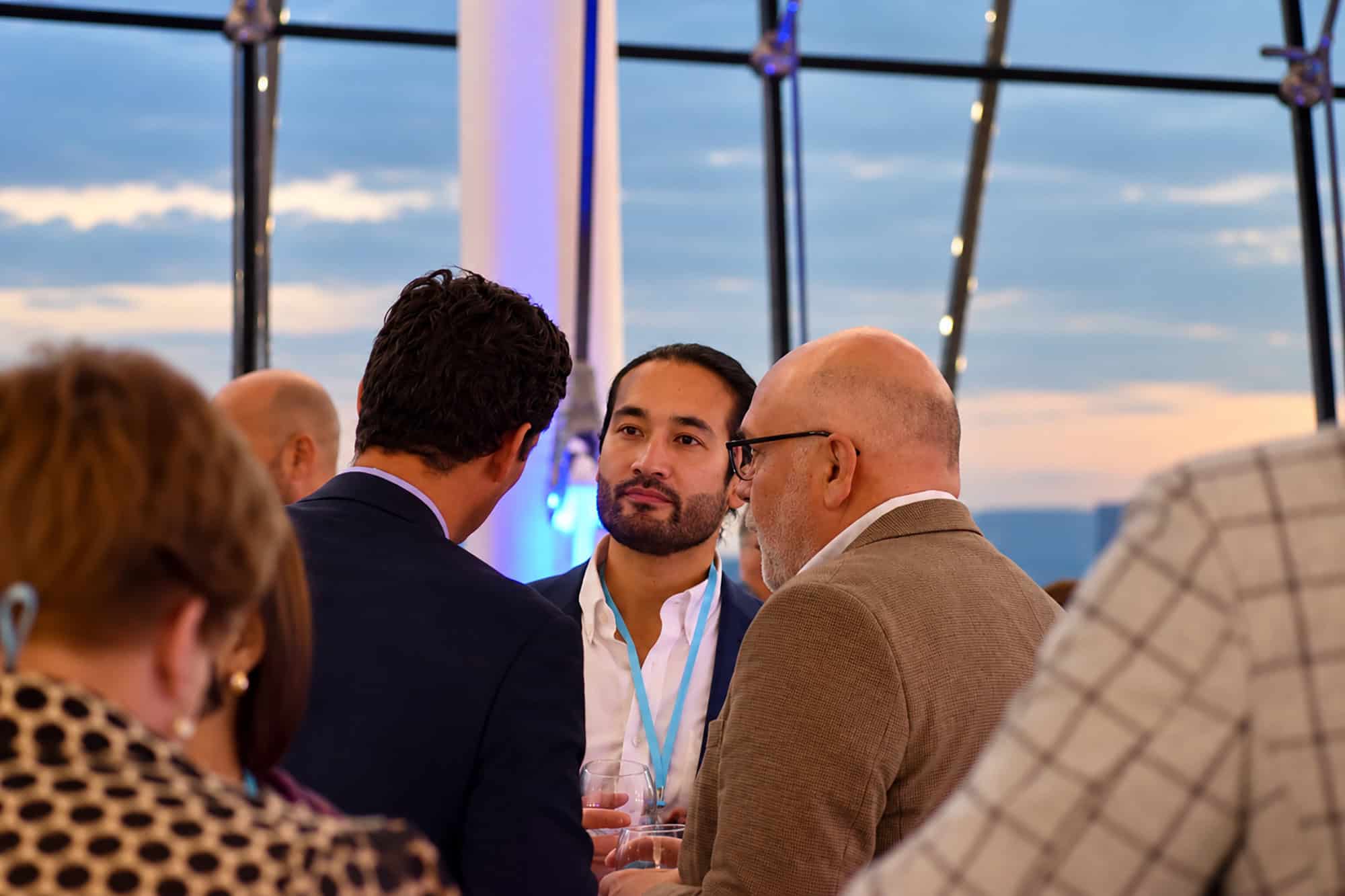
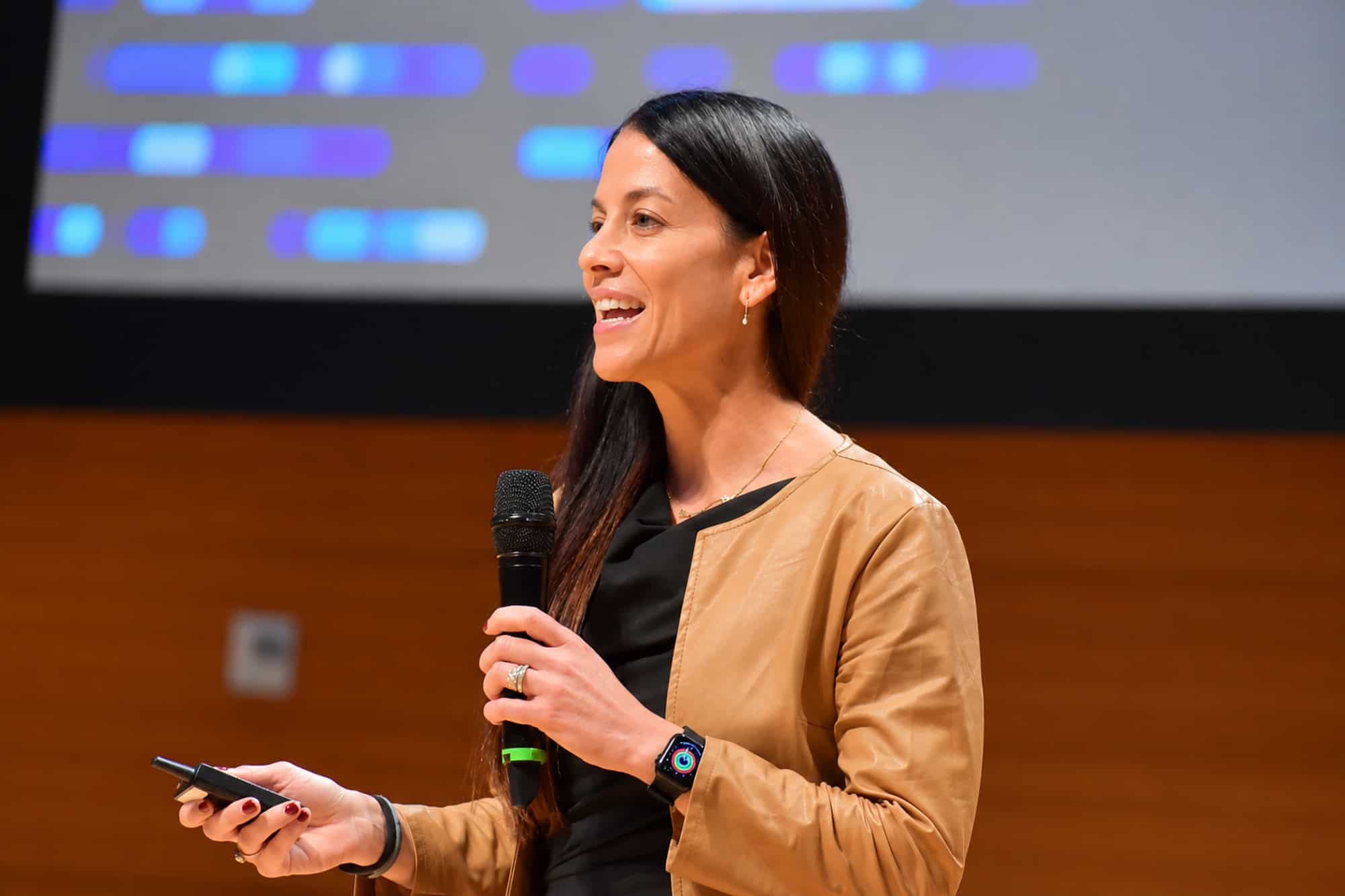
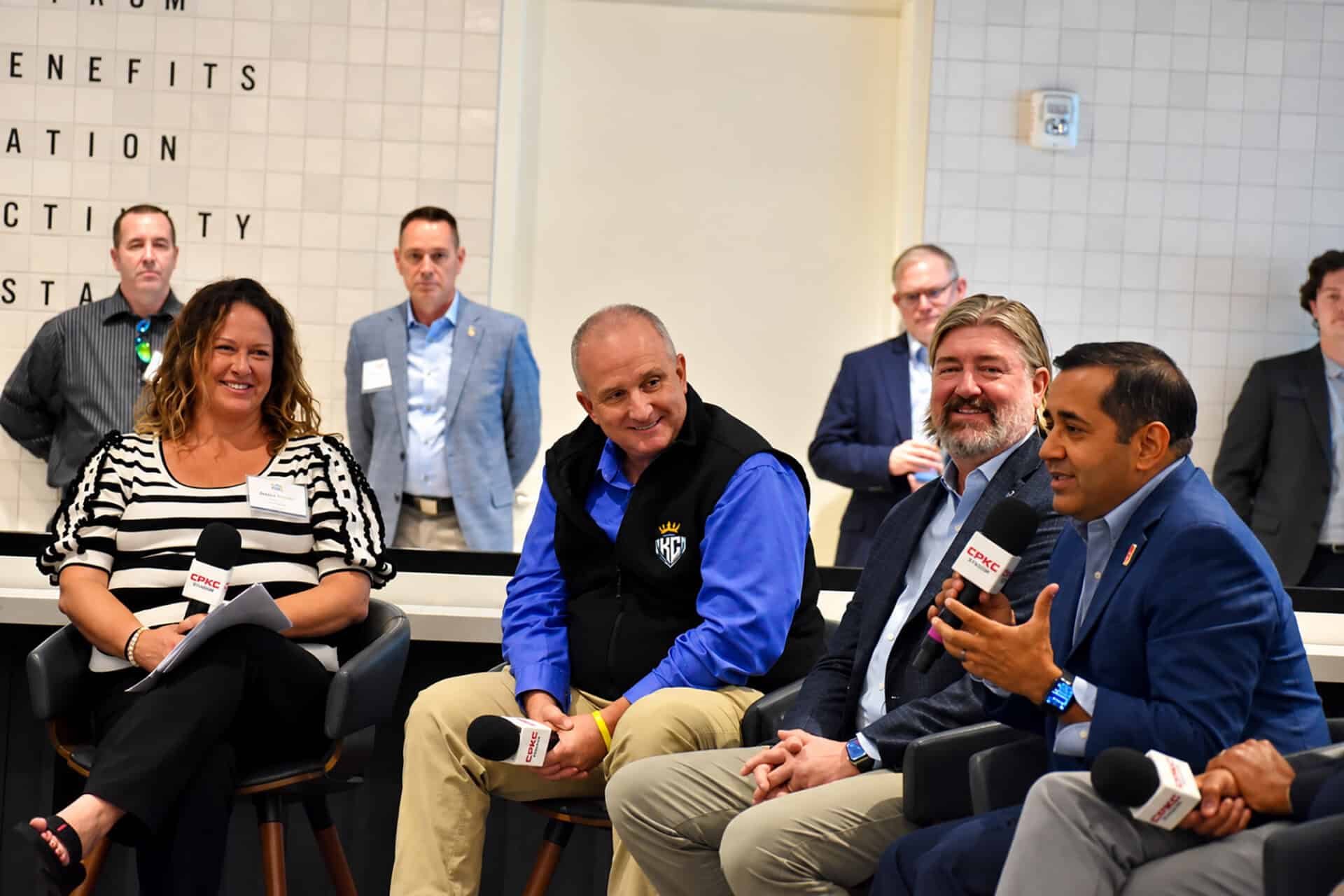
Convening a crowd of innovators, educators, health care professionals, and partners, the event provided a platform at the Kauffman Center for the Performing Arts to tout some of the region’s biggest victories of the past year.
Among them: Digital Health KC’s $1 million grant from the Patterson Family Foundation to advance rural health; KC BioHub’s $38.1 million dollars in federal and local funding through the Tech Hubs Initiative for biologics and next-generation medicines; and a partnership with Rare KC, an organization that’s dedicated to connecting and supporting individuals and families with rare disease.
RELATED: Rare KC hires first exec in bid to close gaps for families impacted by rare health threats
“Each of these accomplishments reflects the power of collaboration and what we can build when we work together,” Ridenour said. “BioNexus KC has been the regional backbone upon which this type of collaboration has been built for nearly 30 years. We have our finger on the pulse of what’s happening in our regional research institutions and health systems, and we are very good, in my opinion, at connecting the dots and facilitating impactful collaborations.”
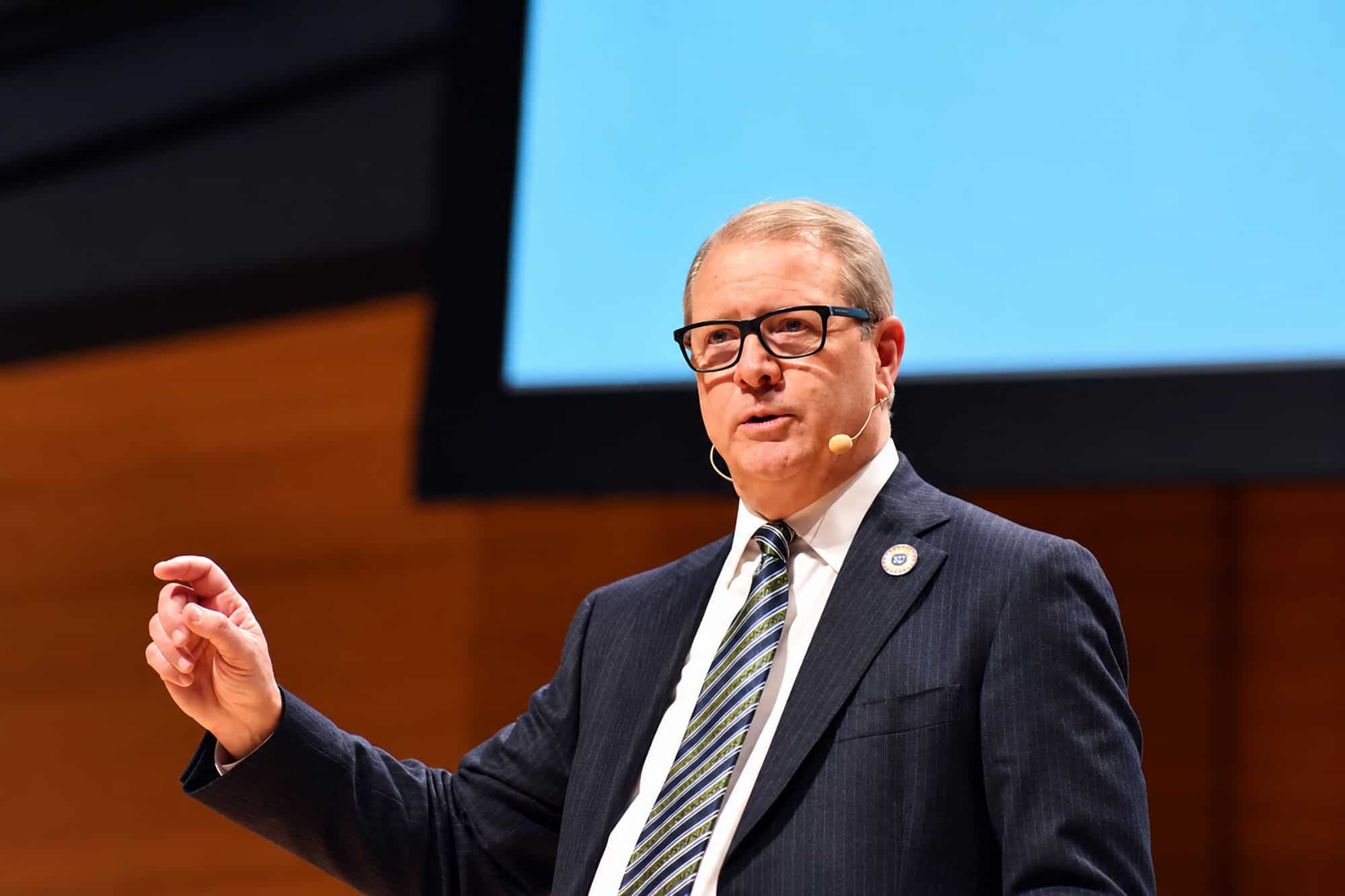
Dr. Douglas Girod, chancellor for the University of Kansas, speaks during BioNexus KC’s annual event; photo by Nikki Overfelt Chifalu, Startland News
Such impactful partnerships are needed more than ever, Dr. Douglas Girod, chancellor for the University of Kansas, told event attendees — noting research funding is changing dramatically.
“We are far stronger together, and in particular in this immediate environment,” Girod explained. “How it’s being allocated across the country, and what opportunities are coming forward are, and really do require that level of collaboration again to be able to respond to opportunities very quickly, and that’s really the role that BioNexus plays for us.”
Moving collaborations forward is about more than just building facilities or making headlines, Ridenour acknowledged.
“It’s about turning research and innovation into treatments and changing lives for the better,” he said.
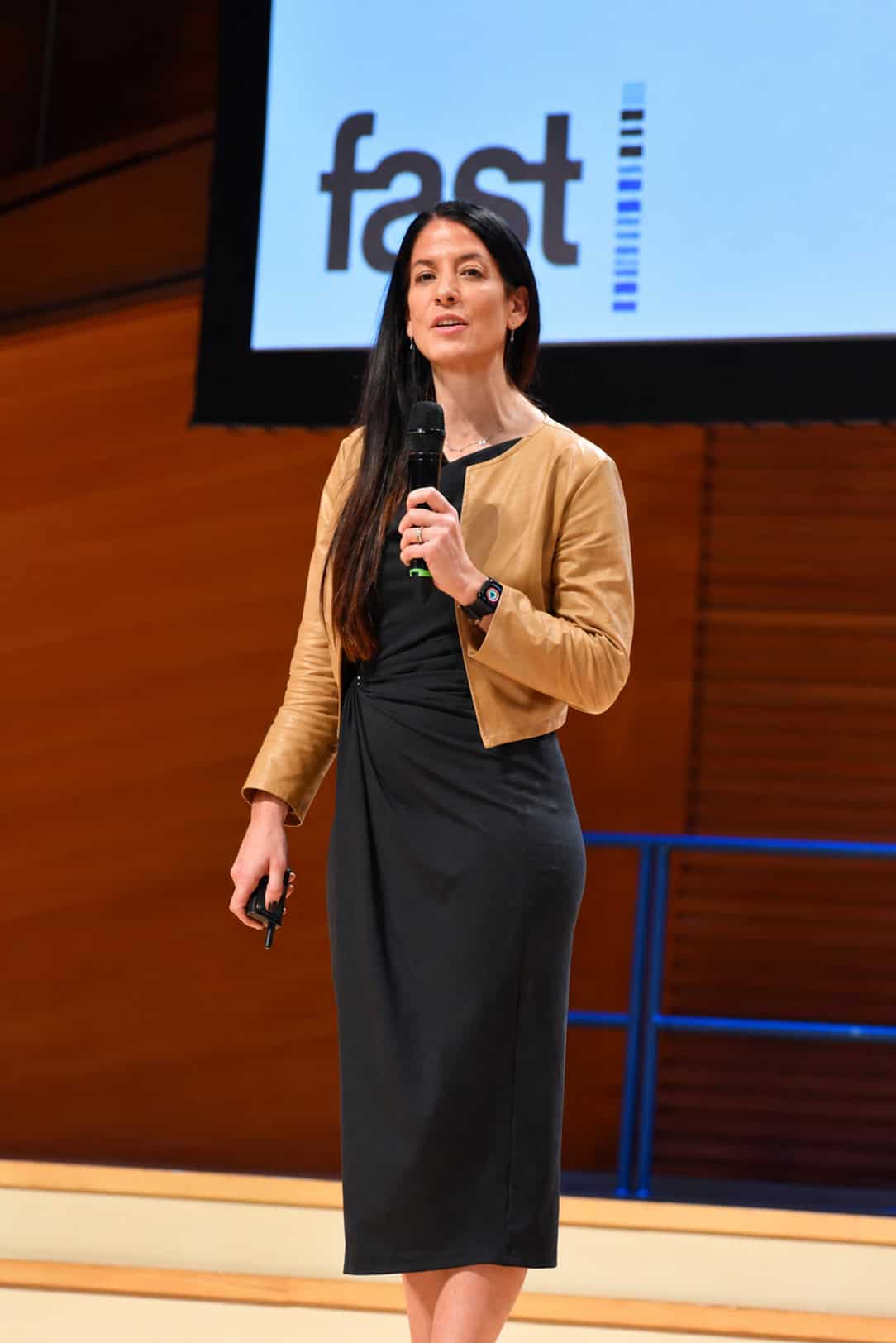
Dr. Allyson Berent, chief science officer at the Foundation for Angelman Syndrome Therapeutics (FAST), delivers the keynote address for BioNexus KC’s annual event; photo by Nikki Overfelt Chifalu, Startland News
Kansas City should be proud of the way it has embraced the opportunity to become a leader in the human and animal health spaces, said Dr. Allyson Berent, a veterinarian, scientist, and leader in rare disease drug development who served as keynote speaker for the BioNexus KC event.
“I’m really happy to be here and to see the community of incredible innovation in this city is really profound,” she said. “I’ve been really blessed that I’ve traveled the world for rare genetic disorders, and I’ve been able to really see the research that’s out in the world, not just in the United States.”
After her daughter was diagnosed with Angelman syndrome (AS) — a rare nondegenerative neurogenetic disorder — Berent spent the past decade dedicated to developing therapies for the rare disorder.
She now serves as the chief science officer at the Foundation for Angelman Syndrome Therapeutics (FAST) and chief development officer at AS2Bio — a drug development accelerator launched by FAST. Berent also co-founded GeneTx Biotherapeutics, advancing the first antisense oligonucleotide therapy for AS, which was acquired by Ultragenyx Pharmaceuticals in 2022.
“We are transforming brain disease and that is enormous,” she noted.
Berent’s story is a powerful reminder that behind every scientific breakthrough are real people and real families who are counting on us to get this work right, Ridenour told the crowd.
“Her career has brought together veterinary medicine, human health, research, and entrepreneurship in ways that are particularly relevant to the work we’re doing here in the Kansas City region,” he continued.
For years, it’s been said that Kansas City’s advantage lives at the nexus of human and animal health, Ridenour said, noting the region is home to the Animal Health Corridor, academic medical centers, a nationally recognized children’s hospital, R1 and other research universities on both sides of the state line, plus four medical schools and two veterinary schools.
“Too often these strengths have operated in parallel,” he explained. “Allyson’s career and the story we’ve heard is proof of what happens when they don’t. When a veterinary interventionist becomes one of the most effective leaders in rare disease drug development, the lines between our fields stop looking like boundaries, and they start looking like opportunities.”
“The KC region has every ingredient to do the same: the science, the partners, the technology, and the momentum,” Ridenour added. “What turns those ingredients into breakthroughs is the connections between the people and industry.”
Fund More Stories
This story was made possible by readers like you. Join them — make a one-time contribution or become a monthly member to sustain our work.