

The TAM Scam: Why the next economy won’t need your pitch deck’s market-size slide
For most of modern business history, directly observing economic activity was slow, expensive, or impossible. We developed proxies to compress uncertainty into numbers that executives, lenders, and investors could use. But as technology makes economic activity more observable, the proxies we built for an earlier era become harder to defend.

I was wrong about sports: Why KC’s ‘escape velocity’ keeps pointing back to 18th and Vine
Sports, music, and barbecue are not three separate Kansas City brands, writes urbanist and entrepreneur Kemet Coleman. “They are one story, and it starts at 18th and Vine,” the Vine Street Brewing co-founder explained.
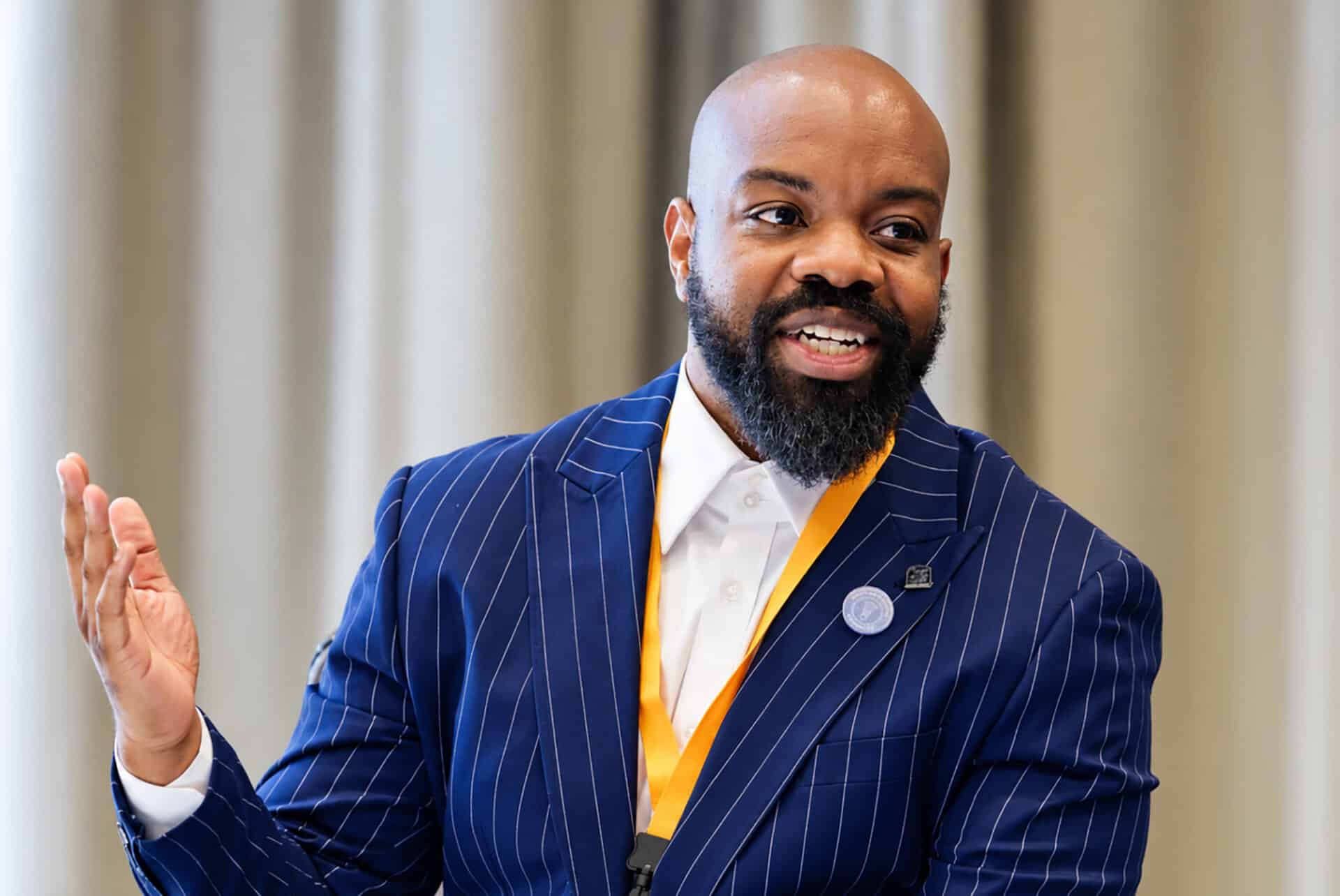
300 pitches later, GIFT founder offers a cheat sheet for selling your vision (hint: it starts with the pitch deck)
“What does your business do? Tell me directly, clearly, and avoid unnecessary fluff,” writes Brandon Calloway in an open letter to entrepreneurs. “As someone making a snap judgment about your business, I need to quickly understand what it offers.”

Smart glasses at work: How employers using (or banning) the tech could face legal challenges
AI-enabled smart glasses take a step further than the traditional “body camera” surveillance footage, given the technology’s ability to retain and assess information, such as biometric information. That creates new concerns for employers who might want to implement the devices — or even keep them out of the workplace altogether, writes a team of attorneys from Polsinelli.
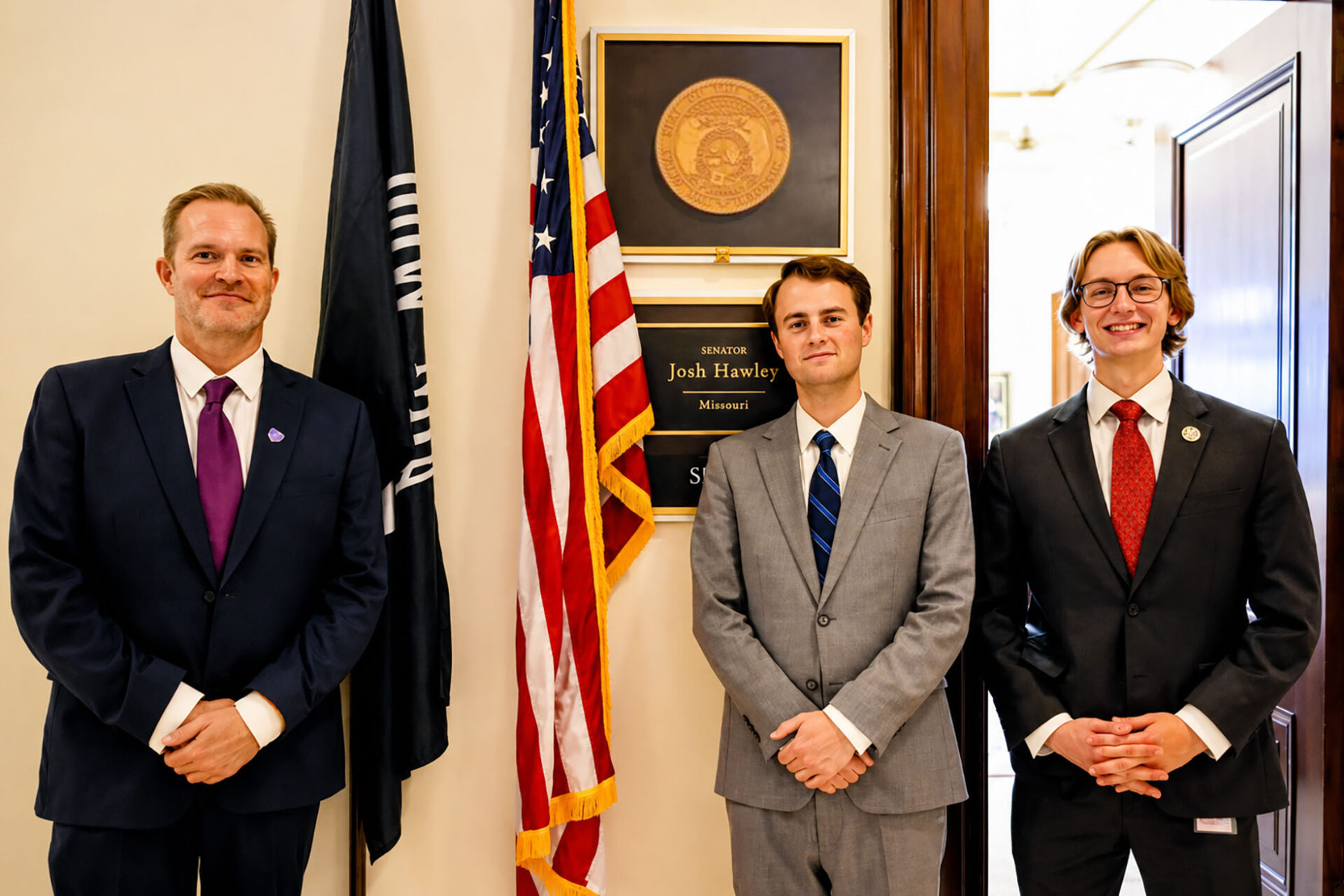
Missouri founders need rules for crypto, digital assets that protect infrastructure and consumers, advocate says
Congress should act quickly, writes Ryan Wright. If the United States waits too long, other countries will continue setting the standards for digital assets, AI provenance, and the next generation of financial infrastructure. Missouri should not be left reacting to that future. We should help build it.