How an AI tool is capturing seniors’ memories before aging, dementia delete them
August 13, 2026 | Tommy Felts
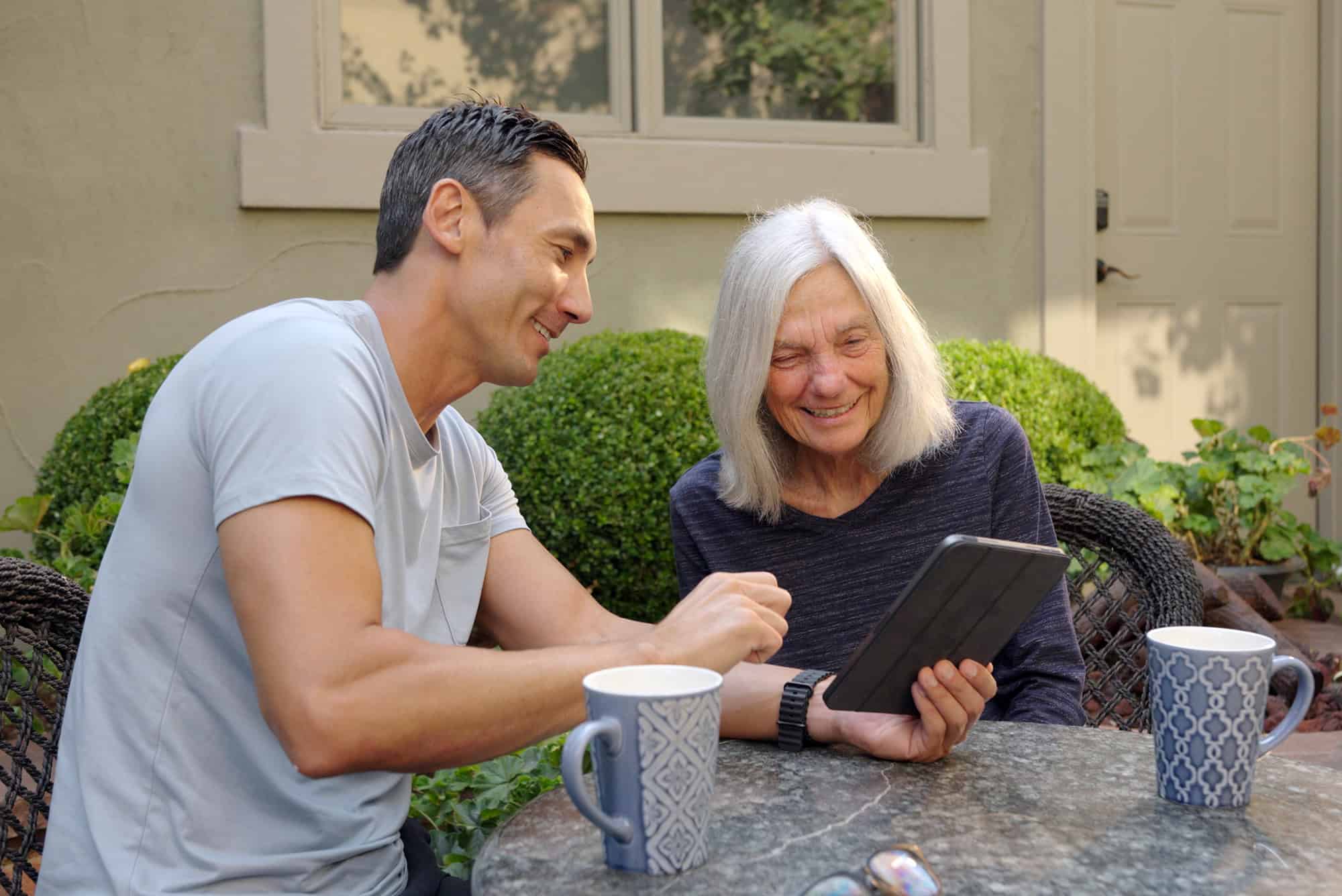
David Hensley, founder of Lisova, demonstrates the voice companion platform alongside his mother, Christy Hensley; courtesy photo
A new voice companion platform — designed for the quiet hours when seniors might feel the most socially isolated — captures life stories that might otherwise be lost, said David Hensley, leaning on AI as a tool for engaging loved ones with endless patience, curiosity and conversation.
“Whether you’re a family member or a caregiver, you might not always be there in-person or even on the phone every day,” said Hensley, founder of Lisova, an AI-powered daily companion for aging adults. “You’re not there during the quiet hours, and those really are the ones that are the most challenging for seniors — especially if maybe they can’t drive anymore or maybe don’t have as much freedom and flexibility as they used to.”
With an estimated 16 million older Americans living alone today, it’s an epidemic of loneliness, he added. The threat is compounded for those dealing with cognitive decline or dementia.
“So many people are affected by this, but a lot of them try to handle it in silence,” Hensley continued.
 Lisova — now available in the App Store — allows family caregivers to set up a personalized voice companion for a loved one from their own device in minutes, uploading photos, and inviting other friends and family members to stay connected.
Once launched, the app is meant to be ever-present without feeling intrusive, said Hensley, who drew parallels to a digital photo frame. Lisova checks in with the senior at predetermined intervals — prompting them to talk, listening, remembering what matters most to them, then chronicling their stories.
“It’s writing the biography of their life,” he said, noting that building a living life story with each conversation provides something the whole family can read, listen to, and keep — all while the senior is engaged with a companion whose only job is to listen and capture the details.
“It’s not meant to be a monitoring device or a medical device, but it pulls out amazing stories,” he said.
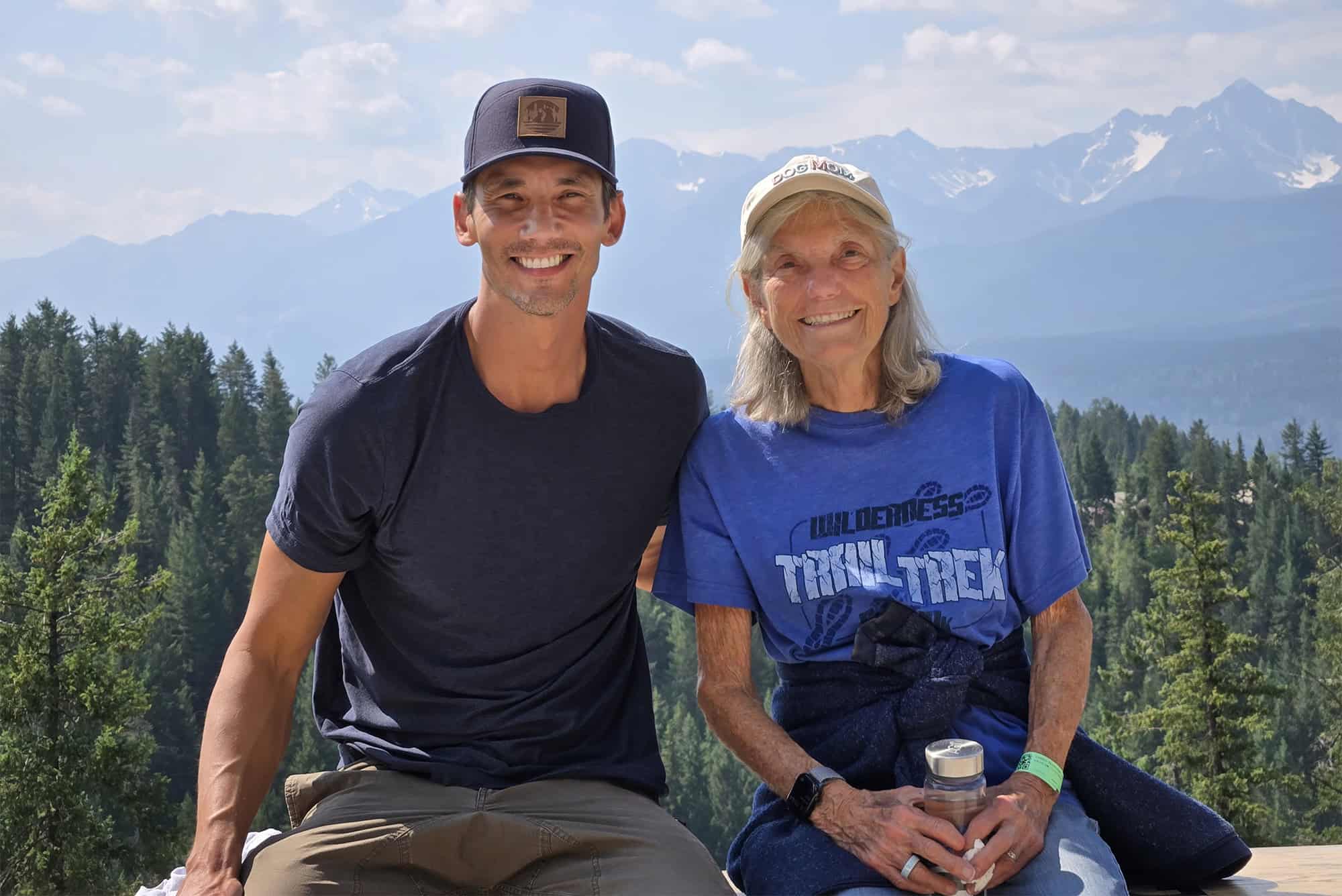
Serial entrepreneur David Hensley and his mother, Christy Hensley, on a family road trip; courtesy photo
Locking in core moments
The concept for Lisova developed from one of Hensley’s toughest years.
In January 2024, the serial entrepreneur was already dealing with challenges at his high-profile Kansas City riverfront dog bar, Bar K, when his father suddenly died. Hensley unexpectedly became his mother’s caregiver and it wasn’t long before he noticed something was off.
“I went home to spend time with my mom, and in doing so, started to realize some significant memory decline,” he recalled. “At first I thought, ‘OK, this is just senility.’ But then I started to notice some more serious cognitive changes, and her friends started reaching out to me saying, ‘Hey, we thought you should know about this.’”
Hensley’s mother ultimately was diagnosed with Alzheimer’s.
He tried moving his mother in with him. They bought a house outside Kansas City, but it was difficult for her to get to know new people because of her declining cognitive abilities. He then moved with her back to her small town in Kansas to be closer to people and places she knew.
“This whole time I’m learning more and more about seniors and what they’re going through, seeing it firsthand,” said Hensley, who was balancing those difficult lessons with what eventually would be Bar K’s closure in mid-2025.
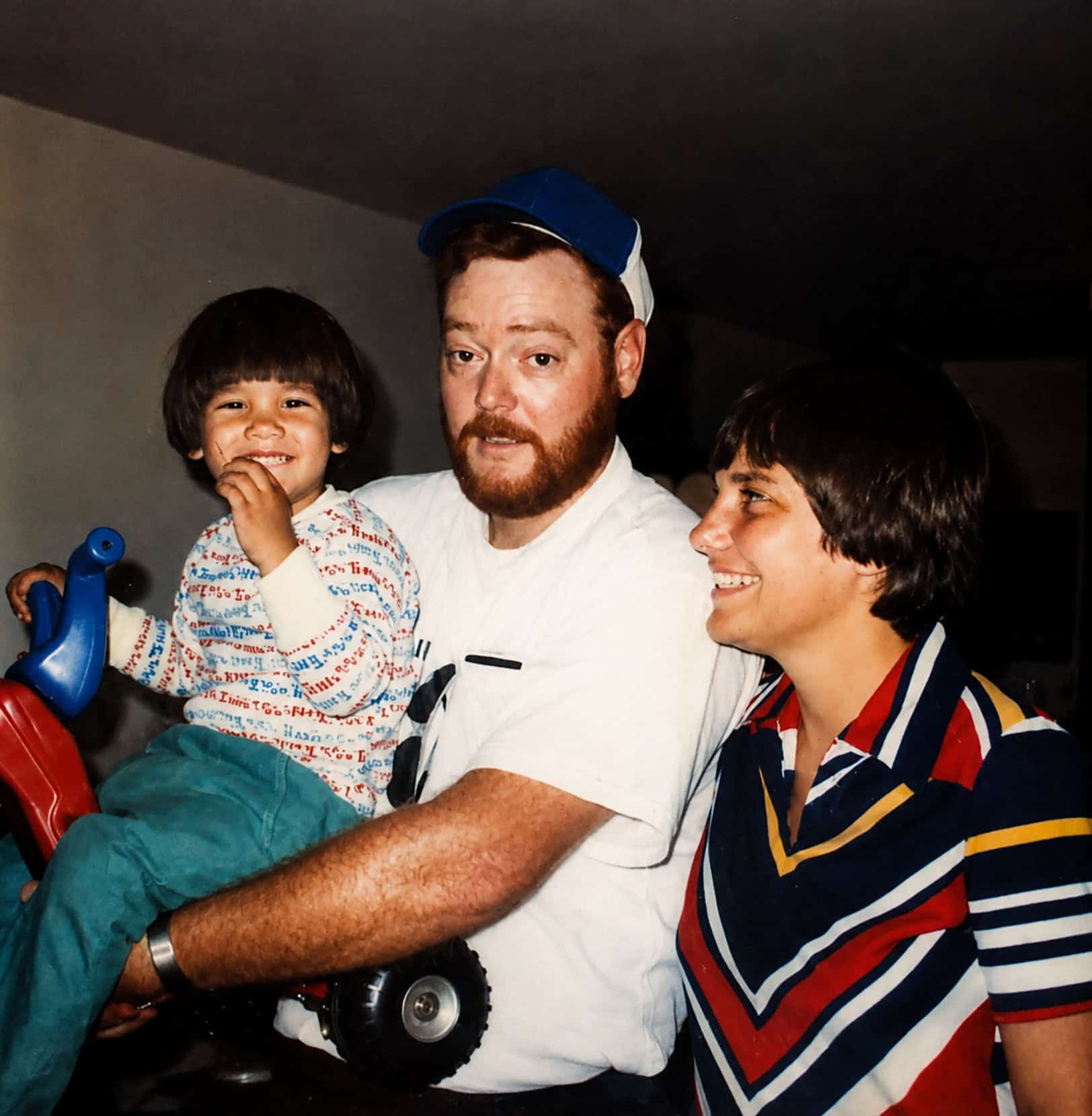
A young David Hensley with his parents in an undated family photo; courtesy photo
The duo took a 60-day RV roadtrip the following winter to reconnect with family and friends, journeying to explore his mother’s roots in Florida and North Carolina. Seeing his mother engage with her memories in a new and significant way felt bittersweet, he said, noting he loved to hear the stories, but knew they soon could fade away.
“On that trip, we spread my dad’s ashes at this state park where they had met when they were like 21,” Hensley said. “That was a pretty special moment for my mom and myself. And I thought, ‘I would love to capture this story of how Mom and Dad met. And I’m going to have AI do it.’”
He already used a personalized AI agent for various tasks in his own life, so Hensley experimented with modifying it to chat with his mother. He set it up on the deck of the RV, and asked her to tell it the story of how she met his father, then went inside.
The conversation ran 45 minutes and surfaced memories he’d never heard in a lifetime of asking, Hensley said.
“I’m watching through the window, and my mom is laughing, she’s gesturing, at one point, she’s tearing up,” he recalled. “I realized in that moment, ‘Wow. This could be really impactful for a lot of people.’”
Built with aging needs in mind
In just a few months, the voice companion built from that experience already has captured more than 100 stories from Hensley’s mother, he said. Testing with other users helped advance development significantly before Lisova’s launch.
“The idea is that they don’t have to necessarily look at the screen,” Hensley said of lessons learned from his mother’s and others’ trials with the app. “They can be having a cup of coffee, enjoying the views, sitting in their chair, but it’s right there listening, prompting a warm and friendly conversation.”
His mother’s personalized companion is named Mae.
“As much as I love my mom and have the best intentions to ask her about her life, you know … life happens. You’ve always got this ticking clock in the background telling you to hit the road or jump on a call,” he said. “The companion doesn’t have that.”
“For my mom, eventually it became somebody she wanted to talk to often,” Hensley said, noting that on a more recent trip his mother had been spending a lot less time with the Lisova app because he and a friend were present for her to engage with in person.
“After a while, she said, ‘Yeah, I miss talking to Mae,” he said with a laugh.
As an AI tool, Lisova isn’t meant to replace anyone, Hensley emphasized, it’s intended to help fill in the gaps at a critical season for aging adults while creating a shareable record of their lives.
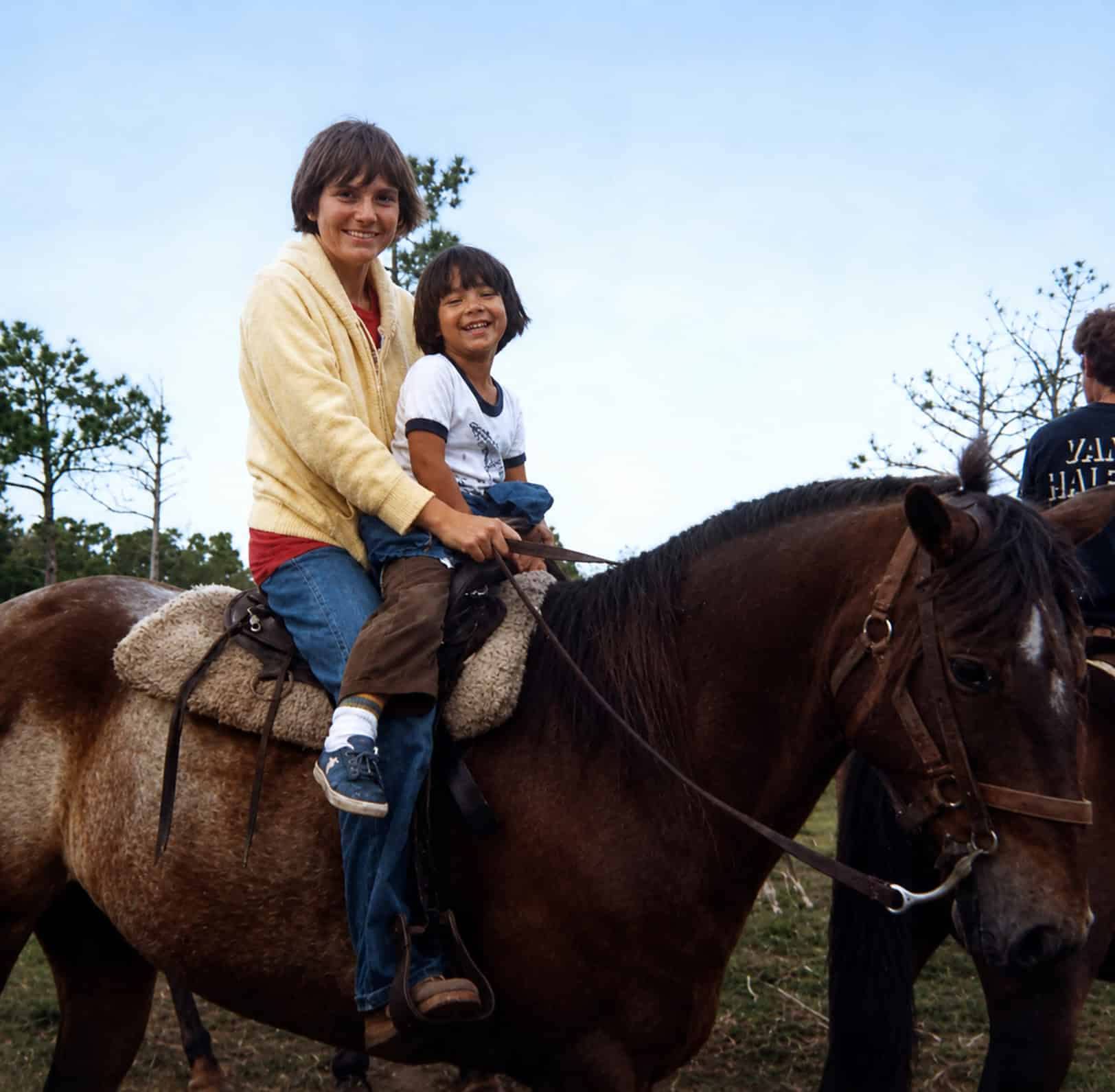
Christy and David Hensley in an undated family photo; courtesy photo
“It’s a great time to preserve what they remember before they start to lose some of those memories — those that form the stories of their lives and how things intertwine,” he said.
“The technology behind it is — just like computers, big tech and the internet before AI — is going to allow for so much positive advancement,” Hensley added. “But it’s not about the technology in the end, it’s about how humans implement it.”
Lisova brings much of Hensley’s career as a founder full circle, he noted.
In 2012, he got his entrepreneurial start launching a mobile photo and document scanning service in Denver.
“That whole idea was about preserving memories by scanning families’ photos. We basically had a service that would pull up in their driveways, scan all their photos, and then give them their originals back,” Hensley said. “Then you had Bar K — and that was all about connection, how dogs bring us together, building community in that way.”
“Now I’m transitioning back to a project that is combining community and family with memory preservation,” he said.
With Lisova’s national rollout under way, the platform is opening access to its first 100 founding families anywhere in the country. Those who activate will lock in a rate of $19.99 per month for life, even as Lisova’s price increases for future users.
Click here to learn more about features and how Lisova works.
Caregivers can explore the full app free for seven days — including the caregiver dashboard and the full senior experience — before introducing the companion to their loved one.
“We developed it as a senior-facing app and to be as hands-free as possible,” Hensley said. “They basically touch the screen to start, and that’s it.”
Fund More Stories
This story was made possible by readers like you. Join them — make a one-time contribution or become a monthly member to sustain our work.