Tesseract advances in Department of War’s hunt for tech-in-a-box to control US drone fleets
July 14, 2026 | Startland News Staff
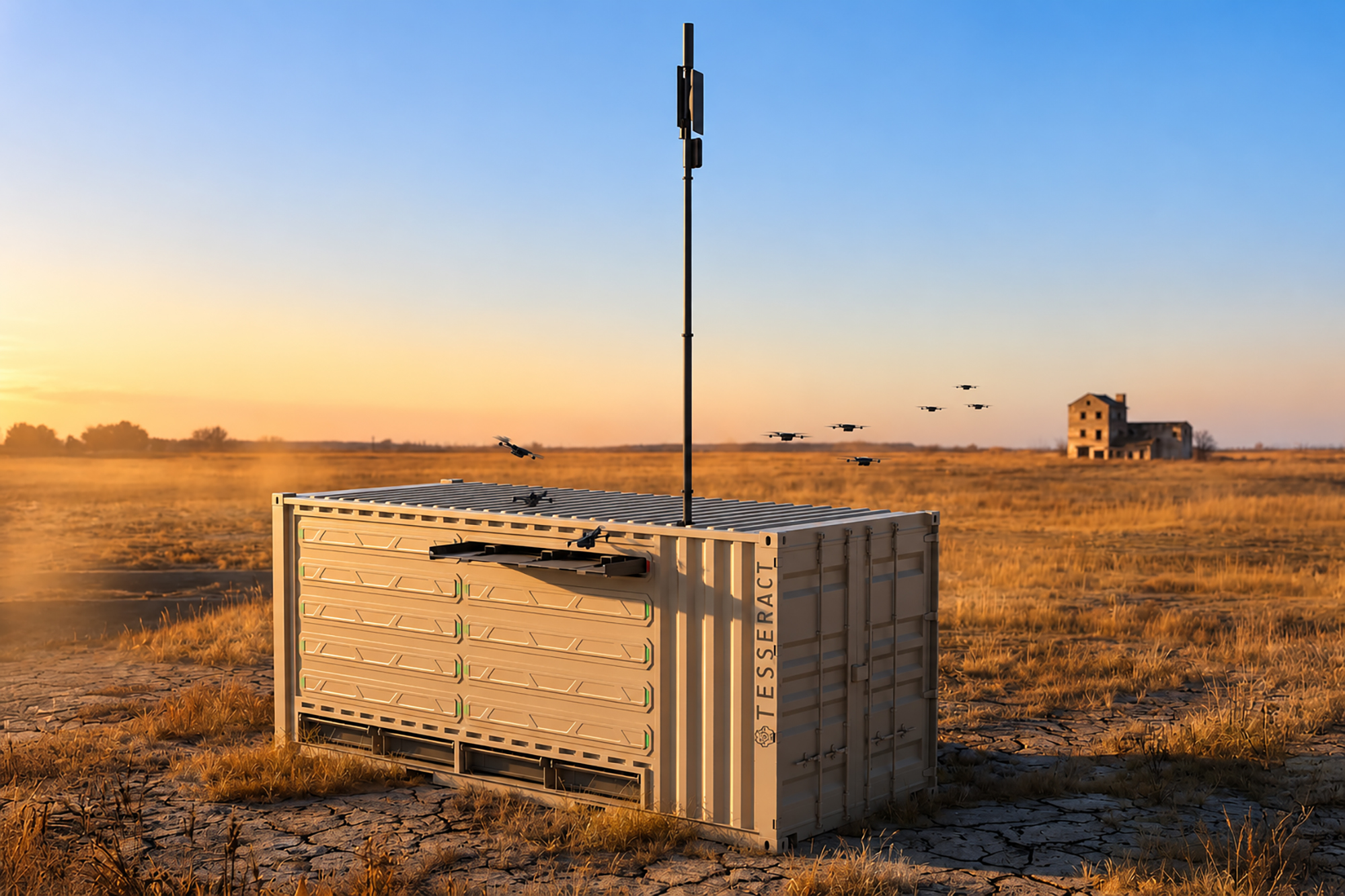
The Tesseract NOMAD is a mobile, containerized platform that deploys and manages large drone fleets across air, land, and sea using onboard intelligence and secure real-time data sharing; courtesy image
A Kansas City-launched invention company that has dived deep into robotics and drones for national security applications announced today its selection by the Defense Innovation Unit for a competitive prototype project tied to next-generation autonomous warfighting tech.
Tesseract Ventures is advancing in the Containerized Autonomous Drone Delivery System (CADDS) initiative, said CEO and founder John Boucard, who described the project as an effort to accelerate U.S. Department of War capabilities for rapidly deploying, sustaining, and managing unmanned aerial systems in contested and remote environments, often lacking critical infrastructure.

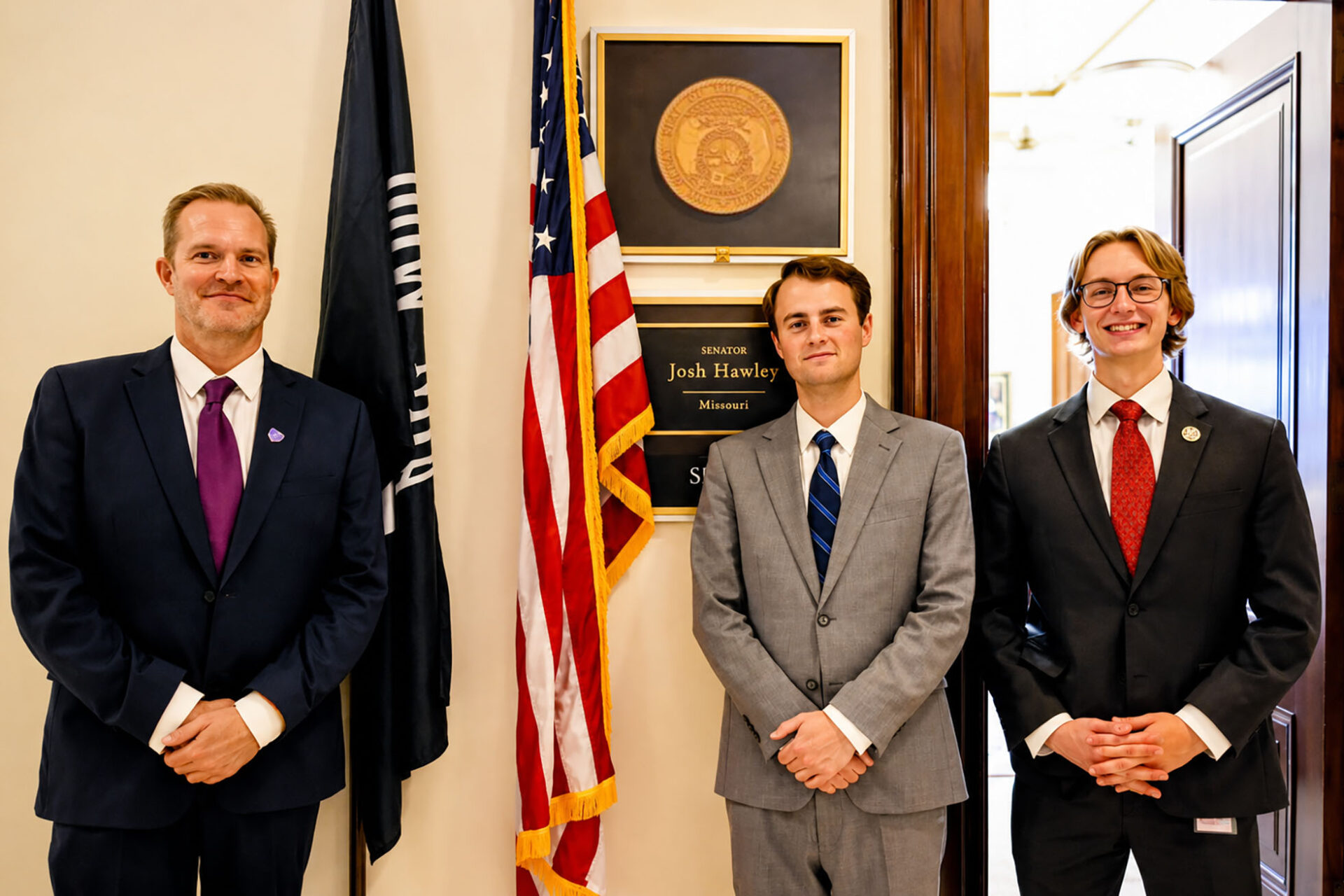
John Boucard, Tesseract Ventures
“This selection is an important milestone for Tesseract Ventures and validates our vision of delivering scalable autonomous systems and drones that meet the evolving needs of the U.S. military,” he said. “We are honored to support DIU’s mission of rapidly fielding commercial technology to the warfighter.”
Click here to learn more about Tesseract Ventures’ varied tech applications — building advanced hardware, software, and AI-driven systems for construction, defense, infrastructure, and agriculture.
The CADDS project addresses a critical Department of War challenge, Boucard explained: transitioning from a one-operator-per-aircraft model to scalable autonomous systems that deploy and sustain large drone fleets with minimal human intervention. The project prioritizes modular, open-architecture solutions that support distributed military operations and allow rapid technology integration.
Tesseract, which relocated its headquarters to Tampa from Overland Park amid the company’s defense-oriented focus, is competing in the prototype project with its NOMAD modular autonomous platform, which simplifies the deployment, launch, recovery, and management of multiple drones from containerized systems.
Unlike traditional drone operations requiring heavy operator involvement, Boucard said, Tesseract’s approach uses intelligent automation to increase the operator-to-aircraft ratio, enabling persistent autonomous operations while reducing risks to personnel.
“Leveraging open systems architecture, advanced autonomy software, resilient command and control, and scalable mission management, Tesseract’s solution increases operational flexibility while reducing operator cognitive workload,” the company said in a press release.
As part of this prototype effort, Tesseract Ventures will participate in demonstrations to validate operational performance. Under the Commercial Solutions Opening (CSO) process, successful prototypes may become eligible for follow-on production opportunities without further competition.
Fund More Stories
This story was made possible by readers like you. Join them — make a one-time contribution or become a monthly member to sustain our work.