UMKC-led effort wins potential $160M grant: Feds back KC in race to control tech’s most critical materials
July 14, 2026 | Startland News Staff
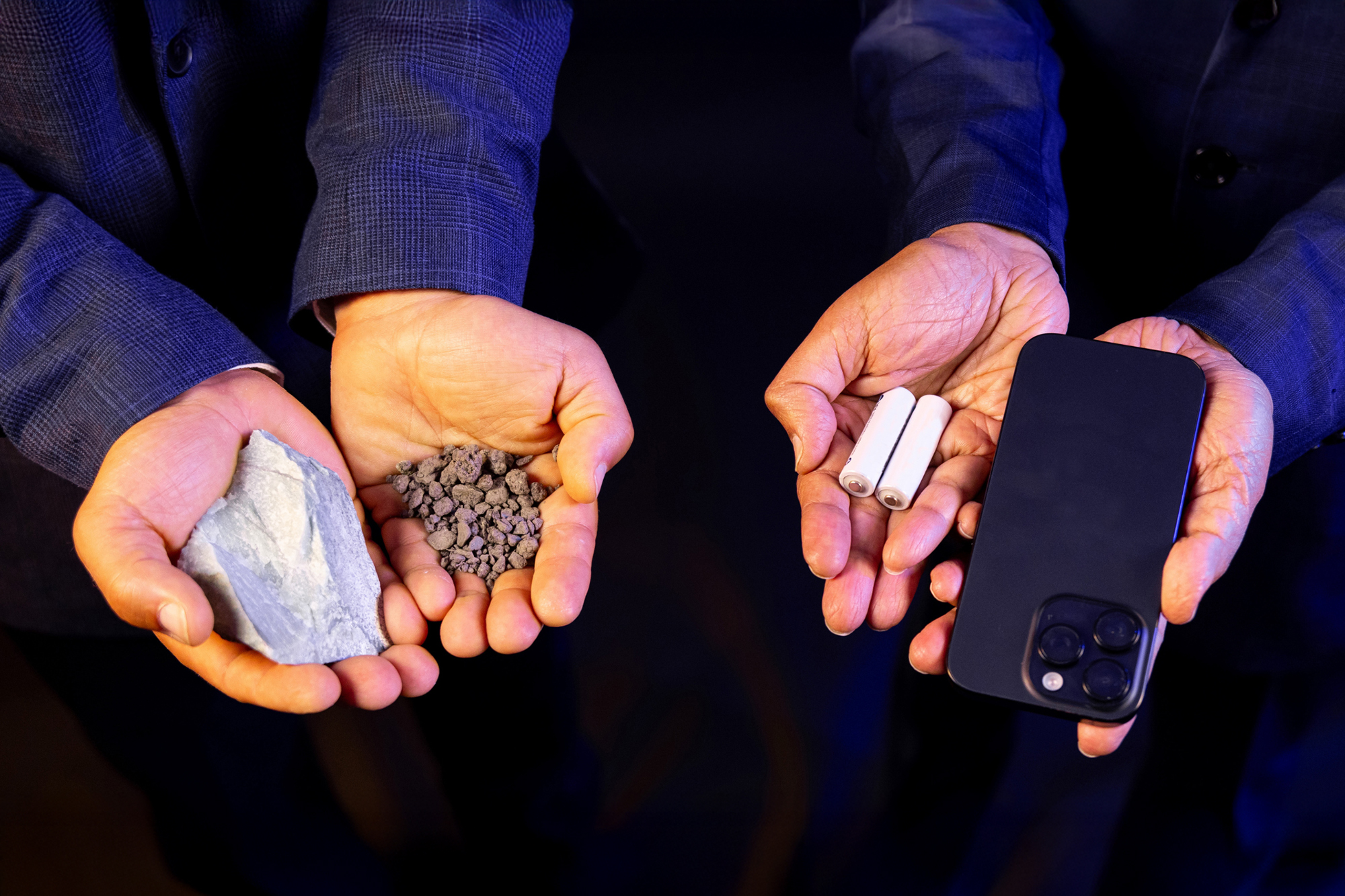
UMKC's Anthony Caruso and Mauli Agrawal hold critical materials and the devices they become in an image promoting a university-led effort that earned a potential $160 million award from the U.S. National Science Foundation; photo courtesy of UMKC
A just-announced award from the National Science Foundation is expected to help Kansas City develop the regional ecosystem needed to boost U.S. production of the metals and critical materials manufacturers require for batteries, aircraft engine parts, semiconductors, medical devices, and other advanced tech.
Up to $160 million in funding — potentially the largest award in Missouri higher education history — is set to focus on rebuilding the nation’s supplies of starting materials including concentrated ore and spent materials, recovered domestically and internationally. (An initial tranche of $15 million is expected over two years, with additional funds distributed over the next decade, dependent on performance.)
The effort, led by the University of Missouri-Kansas City, is expected to establish the region as a national hub for critical materials innovation, commercialization and workforce development, the university said in its announcement of the grant.
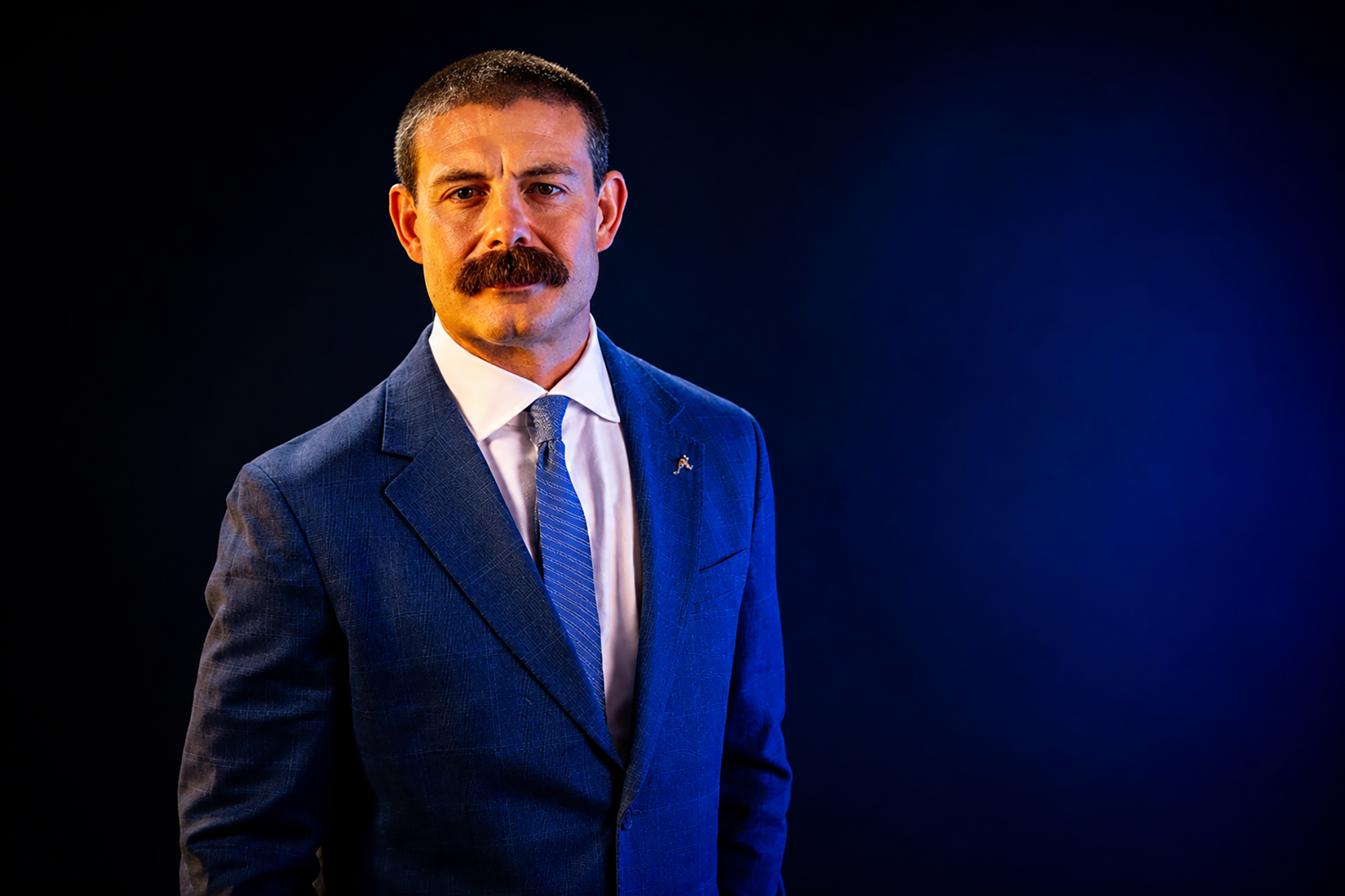
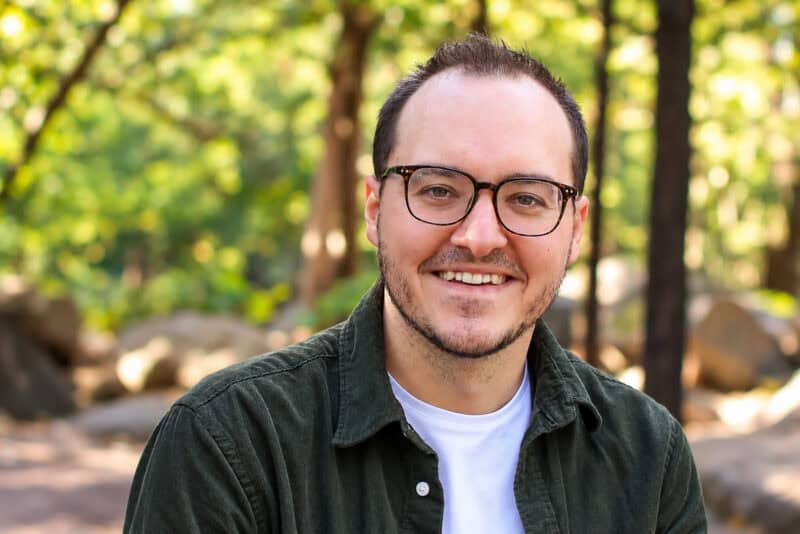
Anthony Caruso, UMKC vice chancellor for strategic initiatives and founder of NSF Critical Materials Crossroads Engine; photo courtesy of UMKC
“For decades, the United States has steadily lost much of the workforce, infrastructure and manufacturing capacity required for critical materials production,” said Anthony Caruso, UMKC vice chancellor for strategic initiatives and founder of NSF Critical Materials Crossroads Engine, noting the now-federally-backed initiative represents years of collaboration focused on solving one of the nation’s most pressing economic and security challenges.
The ultimate goal: to help secure the United States’ economic and national security future by reducing dependence on foreign-controlled supply chains for critical materials.
Caruso is the principal investigator leading the initiative in partnership with fellow Carnegie R1 research institutions including University of Missouri, Missouri S&T, University of Kansas and Kansas State University.
ICYMI: Unlocking top tier research status gives KC new competitive edge
“This investment allows us to rebuild that capability here in America — creating jobs, strengthening our national resilience and ensuring the technologies that power our future can be produced domestically,” he explained.
Through the grant, the Critical Materials Crossroads initiative is expected to create about 10,000 jobs by 2036 across manufacturing, research and development, logistics, engineering, construction and workforce training, according to Missouri Extension. The effort could generate as much as $40 billion in economic output and increase the combined Missouri-Kansas GDP by $17 billion over the 10-year period.
Critical Materials Crossroads and 11 other awardees will first receive an award of $15 million over two years, the university said. If the effort demonstrates progress on well-defined milestones, it will have the potential to eventually receive up to $160 million from the National Science Foundation over the next decade as it seeks to build an internationally competitive technology and innovation cluster in the region. In 2025, Critical Materials Crossroads was selected as one of just 15 finalists out of 285 proposals nationwide.
Initiated by the University of Missouri System in 2022, the effort is driven by a coalition of more than 260 partners spanning higher education, industry, entrepreneurship, government and community and workforce development organizations in Missouri and Kansas.
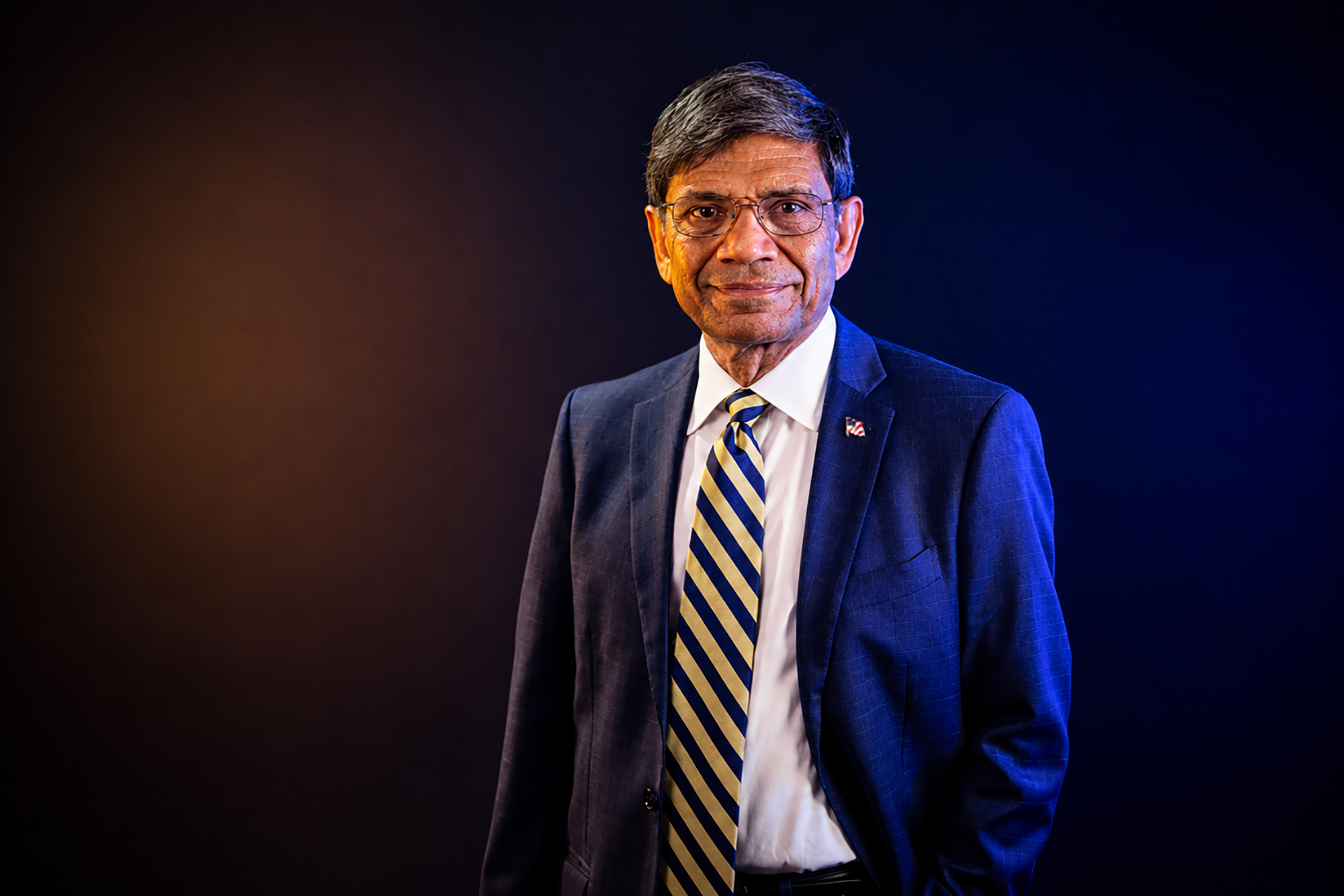
Mauli Agrawal, chancellor for UMKC; photo courtesy of UMKC
“Critical Materials Crossroads represents a once-in-a-generation opportunity to strengthen America’s economic and national security while positioning the Kansas City region as a global leader in critical materials research and innovation,” said Mauli Agrawal, chancellor for UMKC. “This initiative reflects what is possible when a region unites around a bold vision with national impact.”
Supporters within the region’s economic development realm include the Civic Council of Greater Kansas City, EnterpriseKC, Ewing Marion Kauffman Foundation, Greater Kansas City Chamber of Commerce, Kansas City Area Development Council and Midwest Area Regional Council, the university said.
“The State of Missouri is proud to welcome this incredible opportunity to further position the region as a leader in strengthening America’s national security and strategic supply chains, while also generating thousands of jobs and billions in economic growth,” said Gov. Mike Kehoe, R-Missouri. “Developing a critical materials ecosystem in Missouri will leverage many historic strengths of our state, including as a longtime leader in the mining and production industries, a strong U.S. transportation and logistics hub, and a robust manufacturing workforce.”
Click here to learn more about the Critical Materials Crossroads Engine.
Fund More Stories
This story was made possible by readers like you. Join them — make a one-time contribution or become a monthly member to sustain our work.