How this KC-area university turned entrepreneurs’ ventures into a fast-growing MBA program
November 5, 2026 | Nikki Overfelt Chifalu
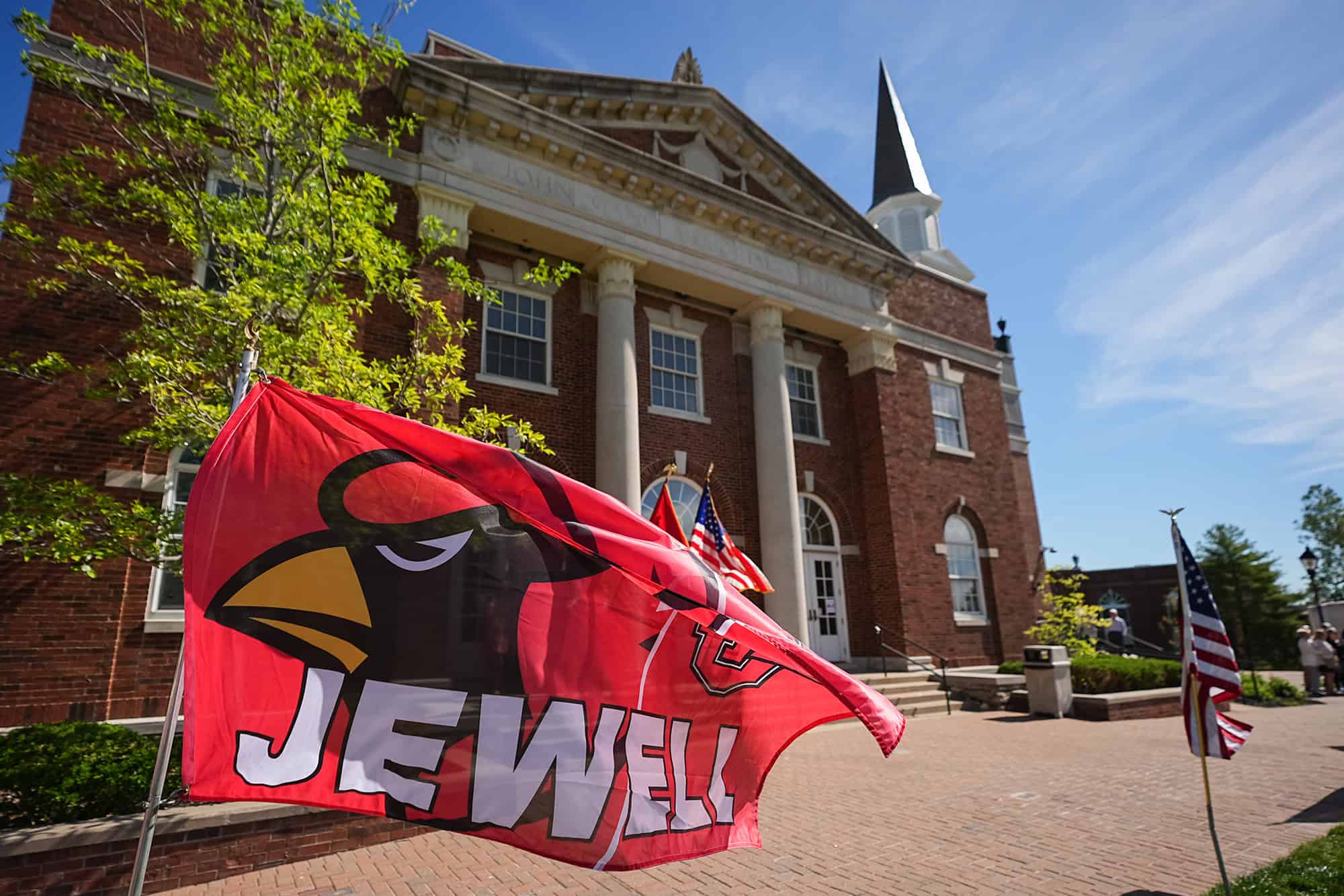
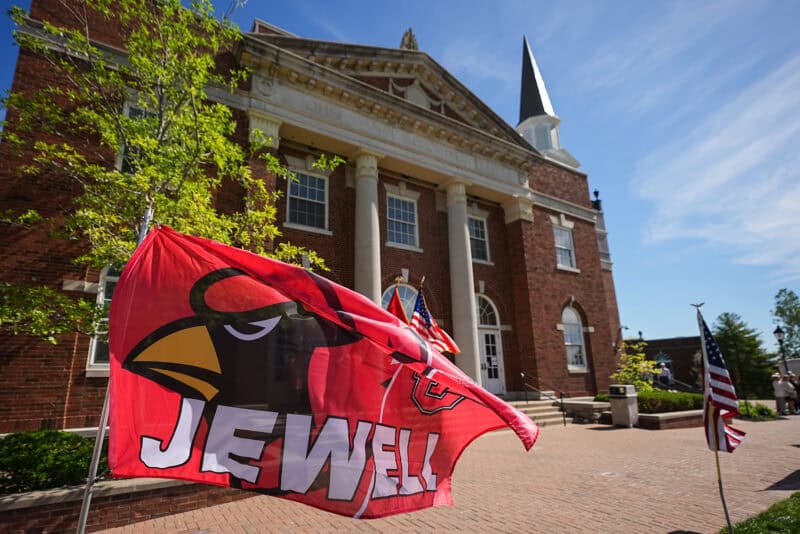
William Jewell College's campus in Liberty, Missouri; photo courtesy of William Jewell
William Jewell College is pioneering and seeing success with a new kind of entrepreneurial MBA program, university leader Kelli Schutte shared, one where the graduate student’s business becomes the curriculum.
In Fall 2024, the Liberty-based institution launched an uncommon collaboration with OneDay, a London-based venture-backed edtech startup. The 18-month program — specifically designed for founders — became the first of its kind in the country.
“It’s not a traditional MBA program in the sense that you get accounting and marketing in their own silos,” explained Schutte, vice president of college of graduate and innovative programs at William Jewell. “This is all about people who want to start a business and launch it, and then you use that all the way through. You still learn accounting and marketing and finance and customer discovery and all those pieces, but you’re learning it within the context of your business.”
“Instead of reading case studies and studying theory, you’re applying everything to your own business,” added Taras Polik, founder and COO of OneDay. “That makes the product and the experience much more tailored, much more relevant to the student.”
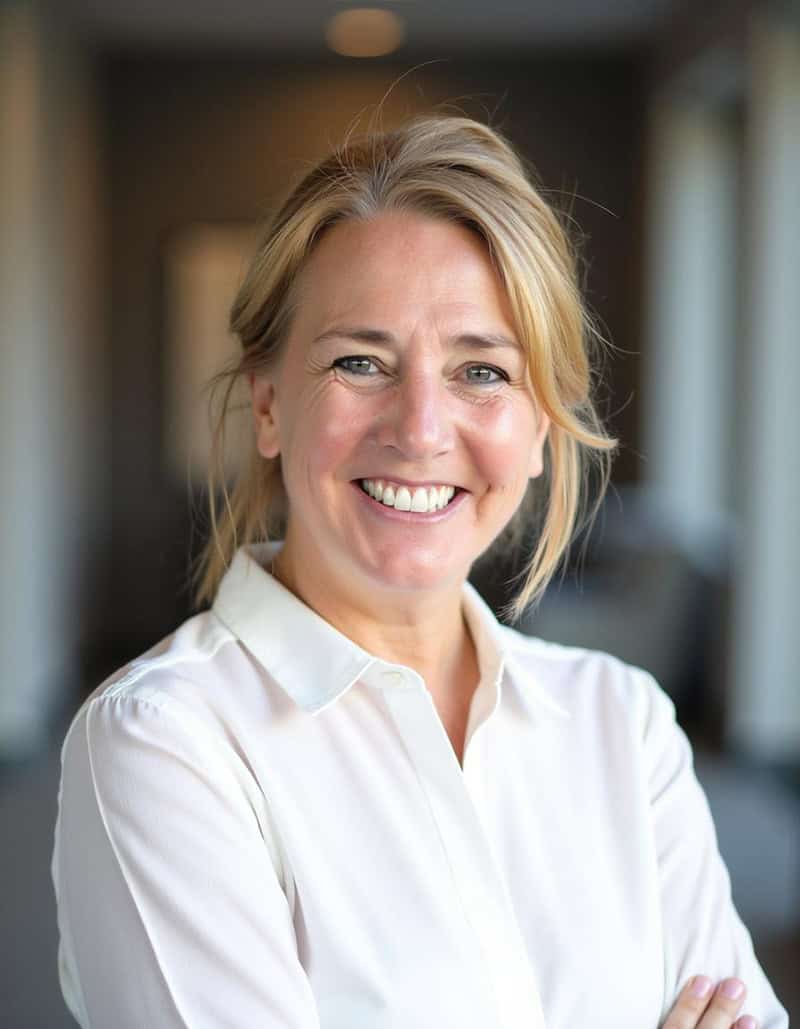
Kelli Schutte, William Jewell College
The online entrepreneurial MBA program — which allows students to join in any month — now boasts more than 600 students from across the country, Schutte noted, and William Jewell is adding between 70 to 100 new students every month with its first cohort graduating in April.
“Then next year, we expect to at least double that,” Polik said. “People don’t want to study theory. They can watch videos online on YouTube. They really want to do practical things with their own hands and learn this way.”
“It’s growing pretty fast,” Schutte continued. “It’s a lot of people who wouldn’t go through the traditional kind of entrepreneurial experience or may not have access to capital in the same way because they’re not in those networks. You’re going to see students come through here with all kinds of different ideas. So we have people who are consumer goods to healthcare technology to just lifestyle programs.”
On top of the faculty and instructors at William Jewell — who control the curriculum — students also have the opportunity to be paired with a renowned mentor in their industry sector for one-on-one guidance.
“We match you one-on-one with a seven-, eight-figure entrepreneur as your mentor,” Polik explained. “For example, if you want to launch your own fashion brand, we’ll match you with someone who already has seven boutiques in L.A. And that person works with you directly, holding your hand for the process of launching your own business.”
“That’s an optional component of it,” Schutte added. “But everybody takes it because it’s a great component.”
While classes are online, students have opportunities to meet up with other cohort members and their mentors. The entire pedagogy of the program is based around the Bloom’s 2-Sigma concept, Polik noted, which suggests that people that study either one on one or in micro groups tend to achieve educational outcomes two standard deviations higher than in large classrooms.
“Mentorship is the absolute core of the experience, the most unique about it.” he continued. “They’re getting one-on-one time every week from a multi-millionaire founder, who has built a cool business in their space, and they’re giving them super relevant hands-on advice and guidance on what to do. That’s quite unique.”
Does revenue match its potential?
The numbers from the program are encouraging, Schutte and Polik shared. In August, the net promoter score — measuring student satisfaction from the William Jewell program — was 79 and the average was 76.
“That’s above like Apple and Netflix, which is hard to do,” Schutte continued. “We’re just finding that the outcomes are strong. Students have had a great experience, so we’re hearing more and more students who say, ‘Hey, someone told me I should do this. They went through this process.’ So even though advertising is out there, there’s some word of mouth that’s happening, too.”
Revenue metrics from the graduates are also promising, they noted. Roughly 74 percent of the students graduate with a revenue-generating business. Schutte said that average revenue generated for founders who haven’t started the program yet is $36,000 and that number goes up to $74,000 when they get to the revenue-generating stage.
“Median’s lower than that,” she continued. “Our goal is to get the median to about the same price as the program, so that everybody can go through the program and generate as much revenue as it costs them to do the program.”
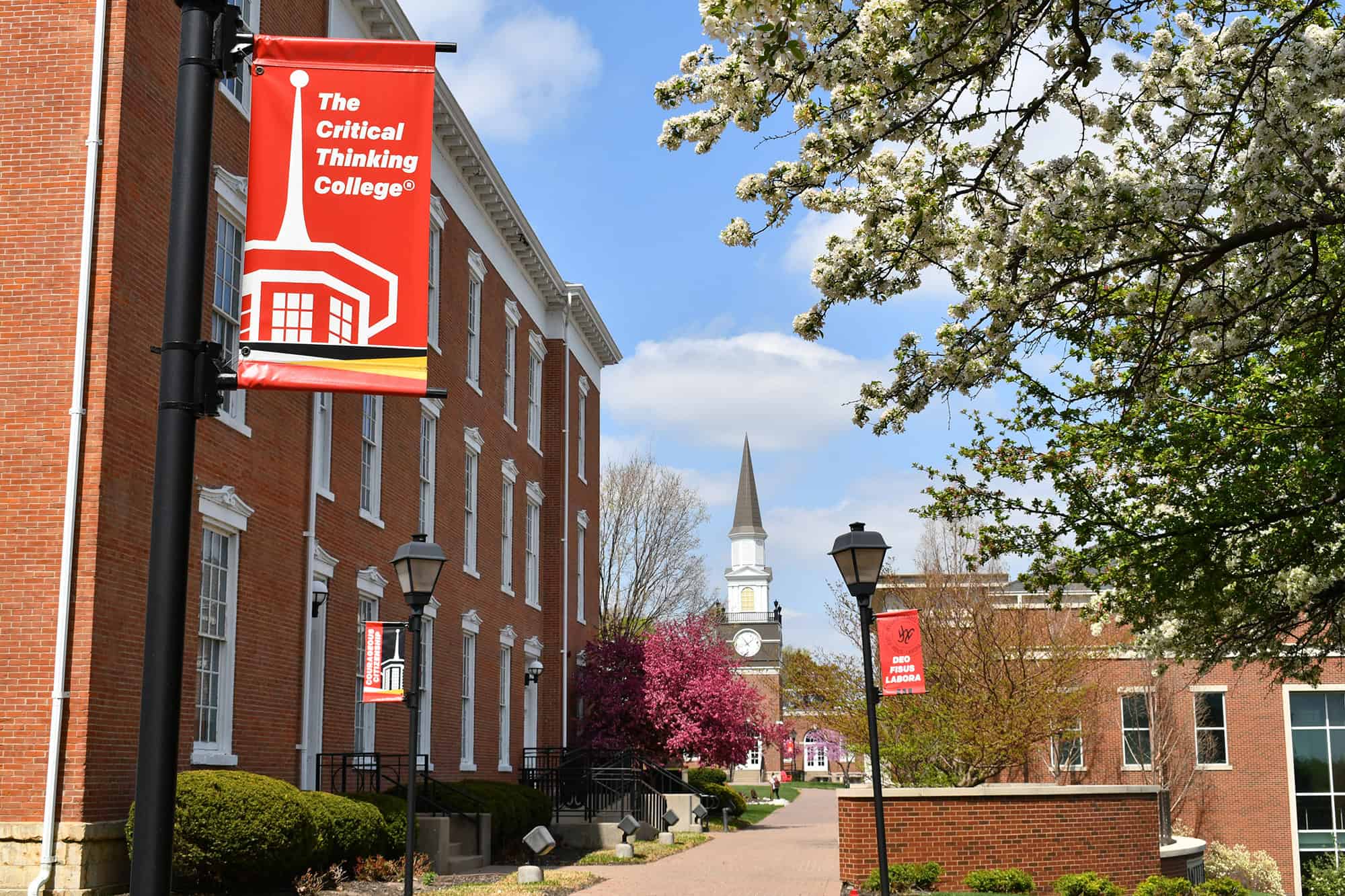
William Jewell College’s campus in Liberty, Missouri; photo courtesy of William Jewell
A template for other programs
Before the collaboration with OneDay — which is also planning to launch a bachelor’s entrepreneurship program — William Jewell didn’t even have an MBA program, Schutte shared.
“We had kind of never got into the market when they were hot and then it seemed too late in some ways,” she explained.
Once OneDay approached the university with its entrepreneurial MBA idea in 2024, Schutte said, the teams quickly gelled.
“I was always kind of looking for a niche in there, something unique and different and something that fit us as a college,” she continued. “Then when I heard this, I’m like, ‘This is us. This just makes a lot of sense. It fits our mission. It fits Kansas City. It just fits this entrepreneurial aspect we’re trying to develop and is different than the traditional MBA that we were seeing offered in other places.’”
“We met and we discussed how we can create this new kind of innovative experience for people who, on one hand, want to start a business, and on the other hand, they also want an MBA,” Polik added, “So we started working on the program together. It took us a while to design it, and then we launched it two years ago, and since then, it’s been growing.”
Other universities should start recognizing this demand for entrepreneurship-related programs, Polik noted, because more and more people are starting businesses. According to U.S. data, he continued, about 2 million people were starting a business per year a decade ago. Now it’s around 6 million.
“I fundamentally and very strongly believe that this will be even further accelerated by AI,” Polik explained. “So even more people will be starting a business because barriers for entry into entrepreneurship are just coming down. Anyone can create a prototype, write code for a new tool, etc. And as a result, more and more people are becoming founders, and that creates this demand from the education system to create programs for these newly minted entrepreneurs.”
Fund More Stories
This story was made possible by readers like you. Join them — make a one-time contribution or become a monthly member to sustain our work.