Wichita founder flexes Startup World Cup win as his company swells into fitness industry
October 1, 2026 | Taylor Wilmore
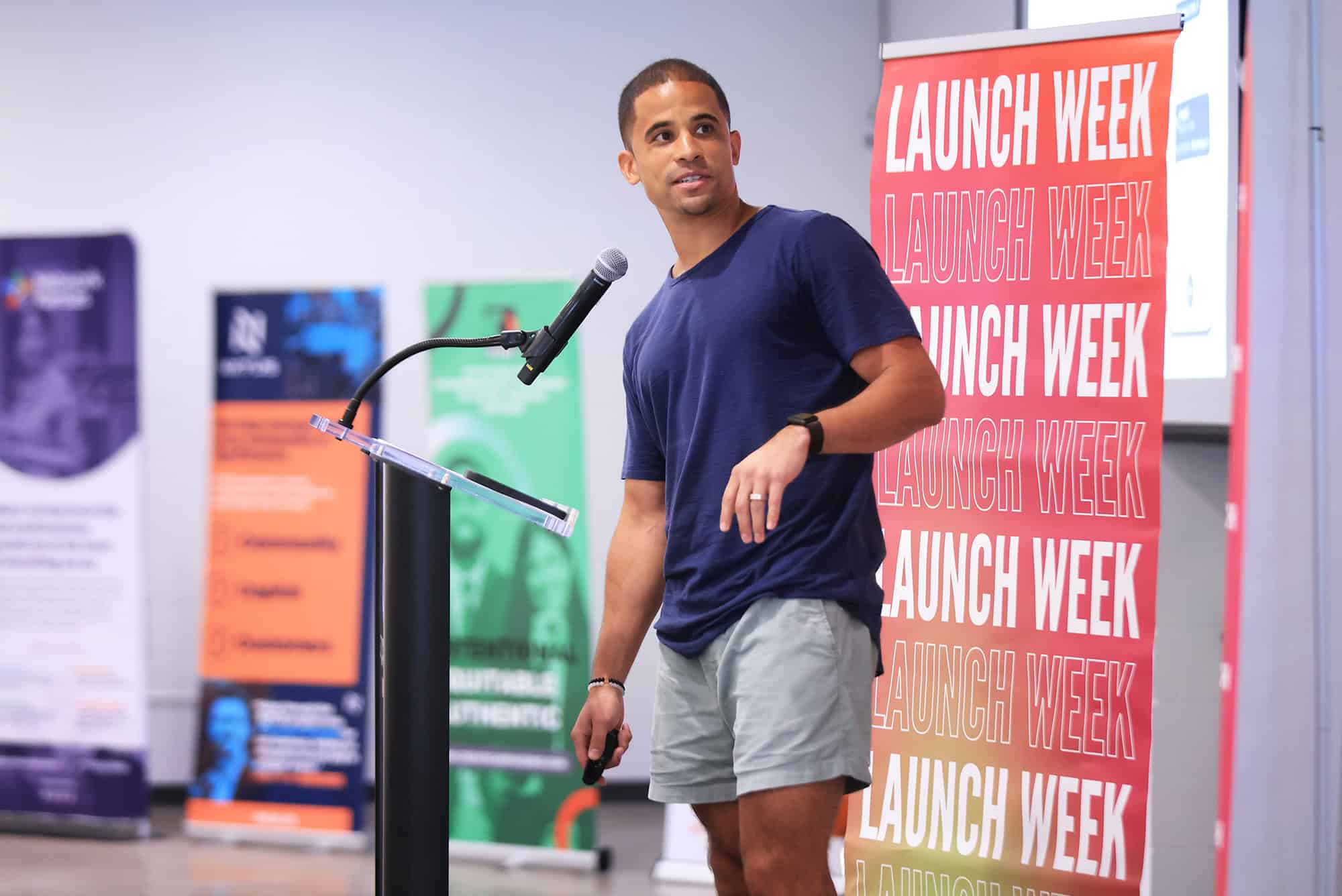
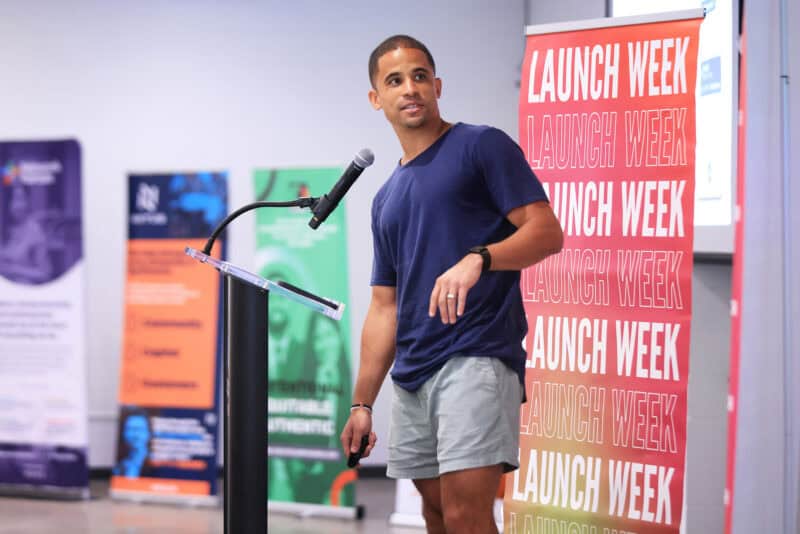
Miguel Johns, founder of Milton AI, pitches his company during the Wichita regional Startup World Cup competition at the community's Launch Week; photo courtesy of the Kansas Department of Commerce
Another Kansan is headed to San Francisco this fall for the Startup World Cup Grand Finale after winning Wichita’s regional pitch competition earlier this month. And founder Miguel Johns is wasting no time adding reps to his startup through an AI partnership with a Wichita gym.
Kansas-built Milton AI has teamed with Optimal Performance — adding the gym’s owners to Milton’s cap table as partners — as the company works to bring its technology into the facility.
“We partnered with them as a customer and as a partner in the company,” said Johns. “Since then, we’ve been working shoulder to shoulder, designing this thing and getting it ready for every independent gym in the world.”
The Optimal Performance deal gives Milton a working gym in which to develop and test its technology, while owners Bethany and Landon Langston bring two decades of experience running an independent fitness business to the product.
Milton is building toward a system that can handle billing, scheduling, coaching and other day-to-day operations that currently require multiple software products.
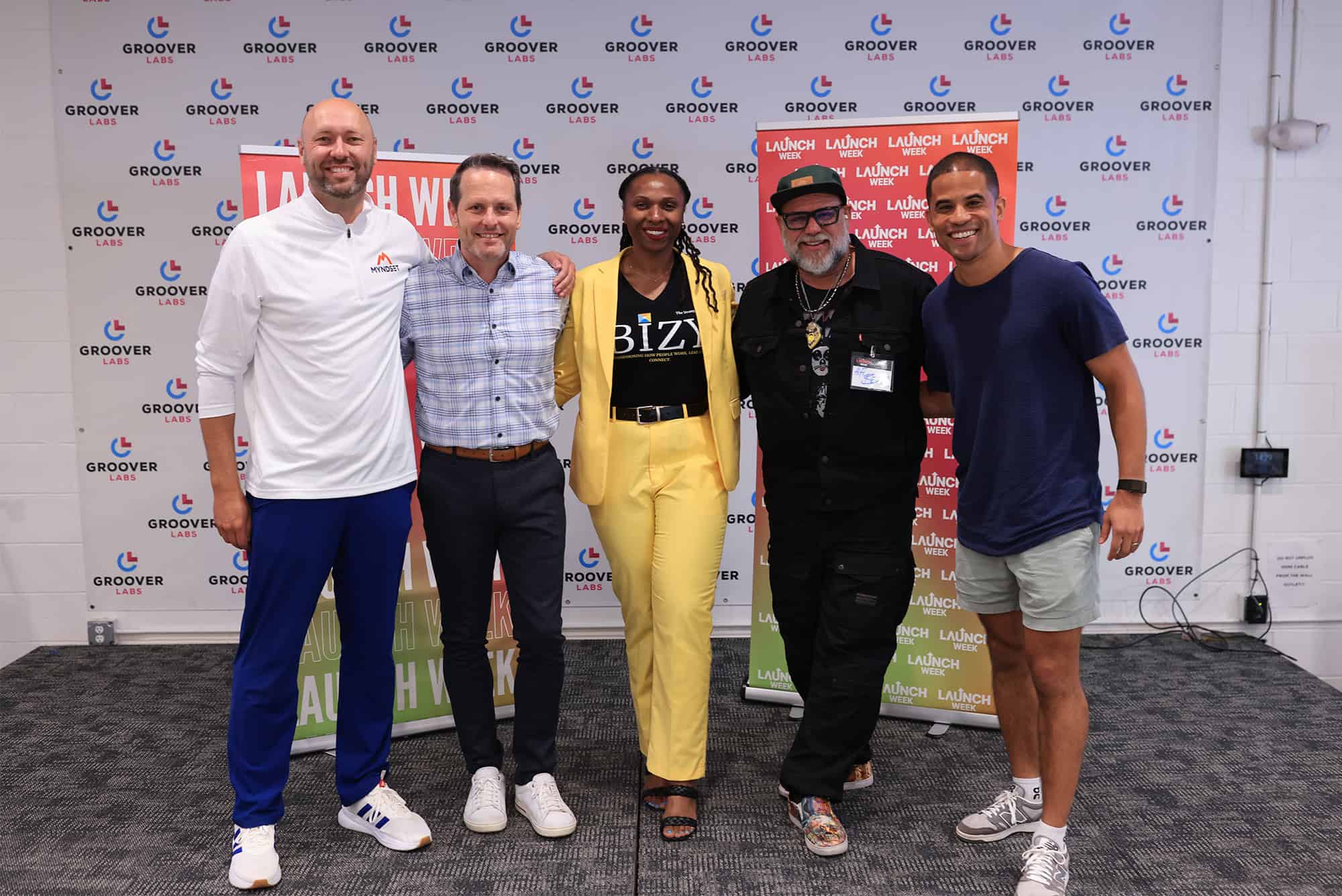
Finalists in the Wichita regional Startup World Cup competition: Craig Mason, Myndset; Robert Feeney, Knowledge as a Service Inc.; Toni Jones, The Bizy Shop; Bear Clark, EAR Micro/T10 Bespoke; and Miguel Johns, Milton AI; photo courtesy of the Kansas Department of Commerce
A partnership that started at the front door
The relationship started with Johns — a Pipeline Entrepreneur and veteran of Wichita-based NXTUS programming — knocking on gym doors around his Kansas community. Milton had already spent years in development as an AI coaching product, but Johns wanted to better understand the headaches facing what he calls the “owner coach” — someone running a gym while also training clients.
“Nobody was home the day I went out and knocked on all the doors except for Bethany at Optimal Performance. She answered,” said Johns.
Bethany took a quick look at what Milton was building and agreed to a longer conversation. The Langstons walked the startup through the systems they were using to run the business and the gaps between them.
“‘Here’s our real problems. Here’s all of our workflows. We’re in this moment with AI. Can we pull this off? Can you take Milton to the next level and just be our one-stop-shop so we can cancel these other four subscriptions and save $2,000 a month?’” Johns recalled Bethany asking.
The conversation pushed Milton beyond the coaching software it had originally built and toward a broader role inside the gym.
A different customer emerged
Johns first tried to build an AI coach nearly a decade ago, long before ChatGPT. His early effort was built around IBM Watson and eventually wound down.
ChatGPT’s arrival in 2022 gave him another shot.
“I remember playing with it for the first time and just thinking, I’ve been waiting for this my whole life. This is what I needed,” said Johns.
Milton’s earliest iterations focused on health care and diabetes prevention, drawing on Johns’ background in exercise science, personal training and nutrition coaching. The company eventually moved into fitness, where Johns had firsthand experience with coaching and gym operations.
He spent about a year letting coaches and gyms use the Milton product while gathering feedback. The company began charging customers in 2025, and the feedback pointed toward a different opportunity: serving the gym owner responsible for the entire operation.
Billing, scheduling, customer management and coaching could all live in different systems, leaving owners to manage the technology while also spending much of their day training clients.
“Now we’re entering the space where we’ve started marketing ourselves as we’re the all-in-one solution, the all-in-one AI agent solution for gym owners,” said Johns.
Optimal Performance is among the first gyms where Milton is testing the full transition. The company is working through the practical side of moving customers from existing systems, including billing information, packages, credits and payment details.
Johns said Optimal Performance currently spends about $2,500 a month across five software products and could eventually pay about $500 a month for Milton.
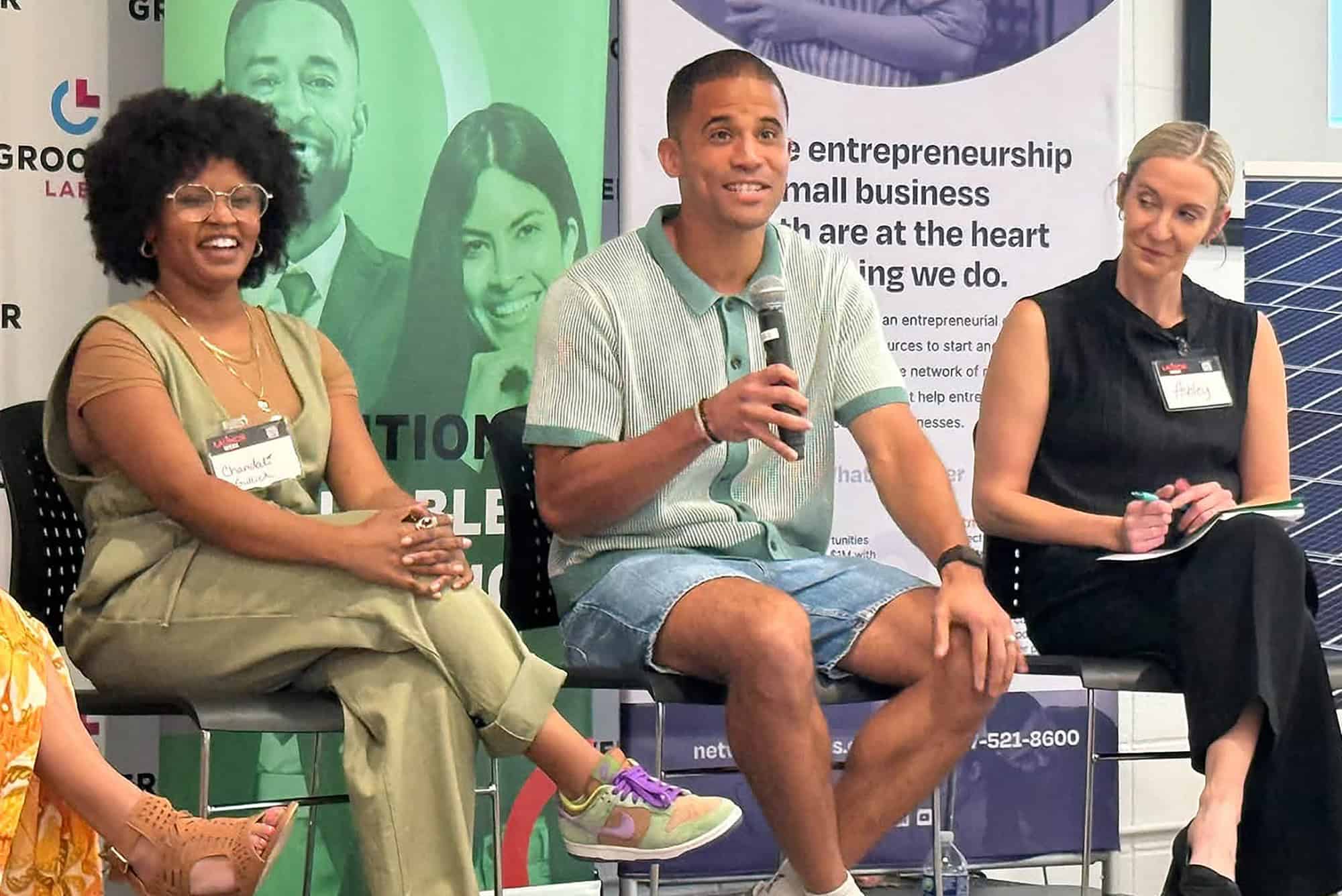
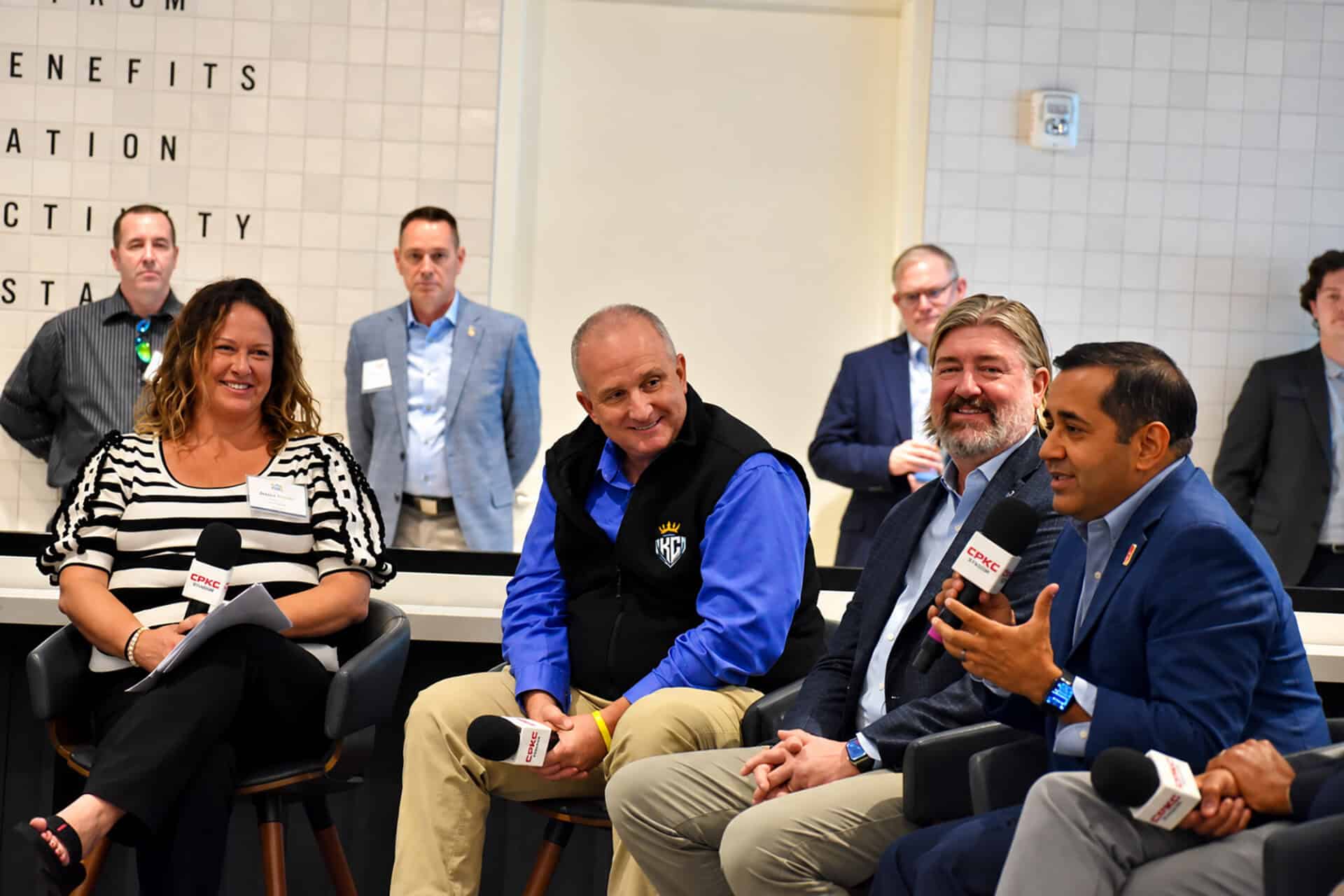
Miguel Johns, founder of Milton AI, joins in a panel conversation during Wichita’s Launch Week; courtesy photo
Keeping the trainer in the picture
Members use Milton to log workouts and meals, connect wearable data and stay engaged with their plans. The technology also handles administrative tasks such as scheduling and billing.
Johns sees another opportunity in giving trainers a clearer picture of a client’s health without requiring them to manually sort through every piece of information.
“Where Milton becomes spectacular is you can snap a photo of an InBody scan, a medical report, blood work, all these different things, and it’s picking up all these pieces from all your data and your insights and customizing what you should be doing specific to you,” said Johns.
The technology isn’t intended to replace the human relationship at the center of personal training.
“People want more human experiences, and a personal trainer can bring that human aspect to health,” said Johns.
Milton has recorded 150,000 engagements and 50,000 meals logged on the platform, according to Johns.
Optimal Performance is expanding beyond personal training
The partnership comes as Optimal Performance expands its own services. The gym is adding recovery rooms, a chiropractor and a physical therapist, with plans for additional health services. Milton is working alongside the Langstons as the facility expands and develops new workflows around those offerings.
“They are leading the design when it comes to those workflows and how it should operate in that regard,” said Johns.
Johns sees the changes at Optimal Performance as part of a broader evolution in fitness, where gyms could become a first stop for more preventive health services.
“We’ll just continue to help them turn what was just once a personal training gym into a true wellness hub where people go for their healthcare,” he said.
Working inside an operating gym is also giving Johns a closer look at what it takes to replace existing software without disrupting a business. The lessons will inform how the company approaches other independent gyms.
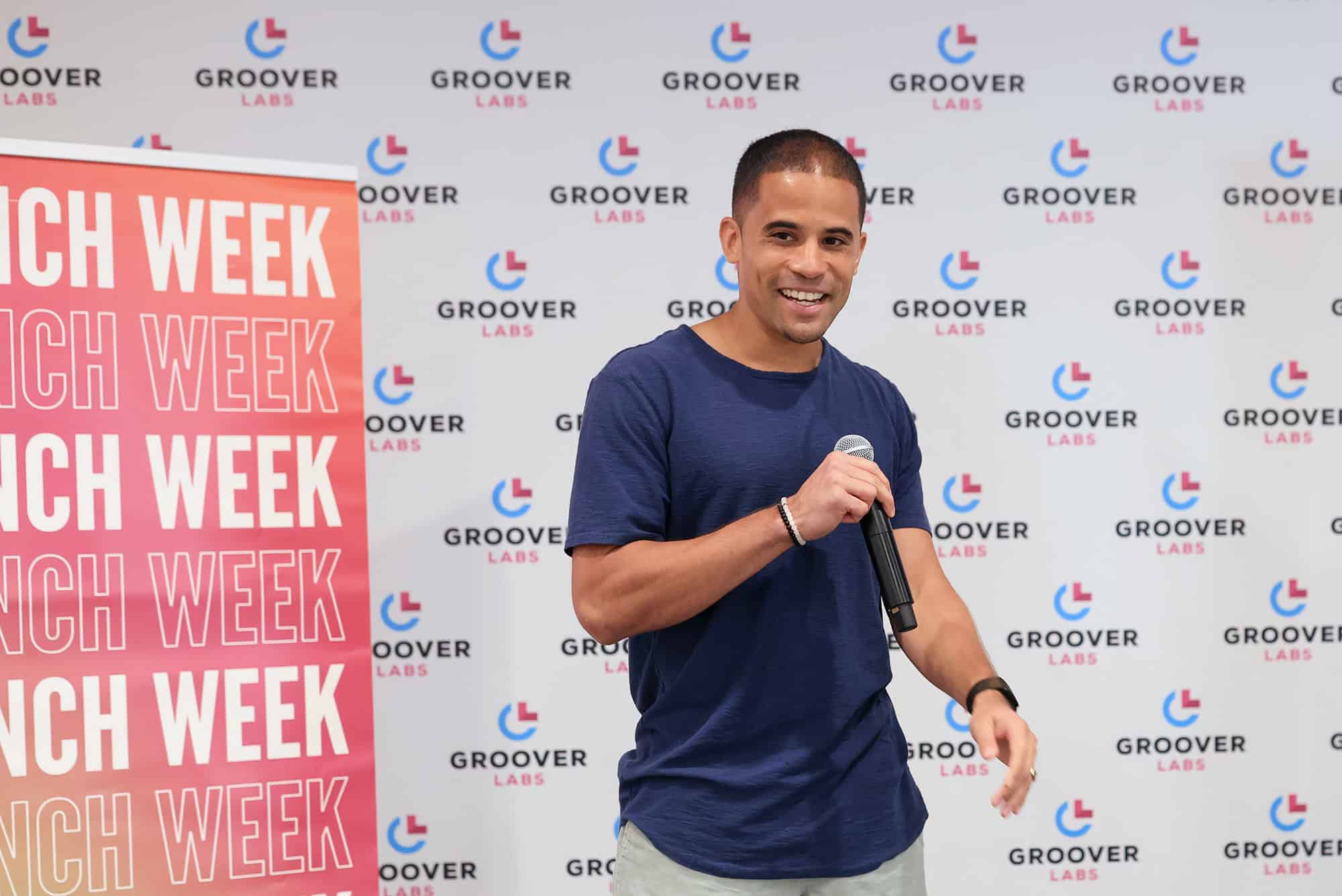
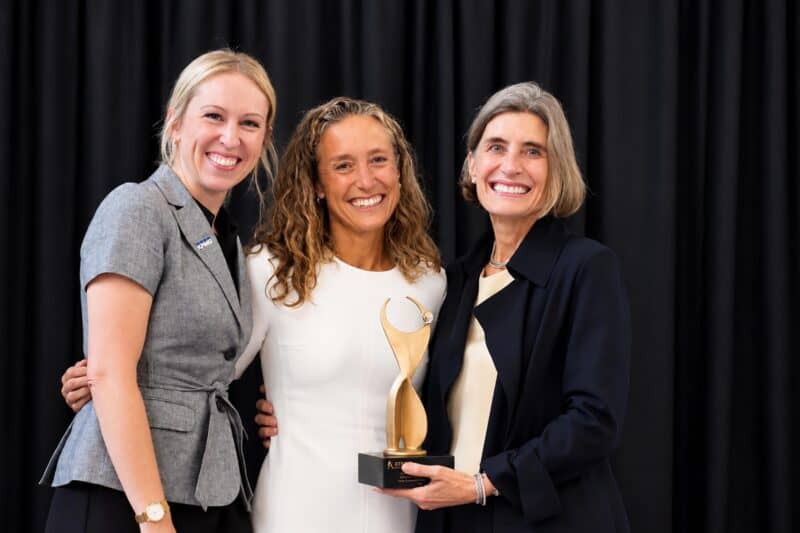
Miguel Johns smiles after being announced as the winner of the Wichita regional Startup World Cup competition; photo courtesy of the Kansas Department of Commerce
The next stage
Milton’s work within Optimal Performance comes as the startup prepares for its next stage of growth.
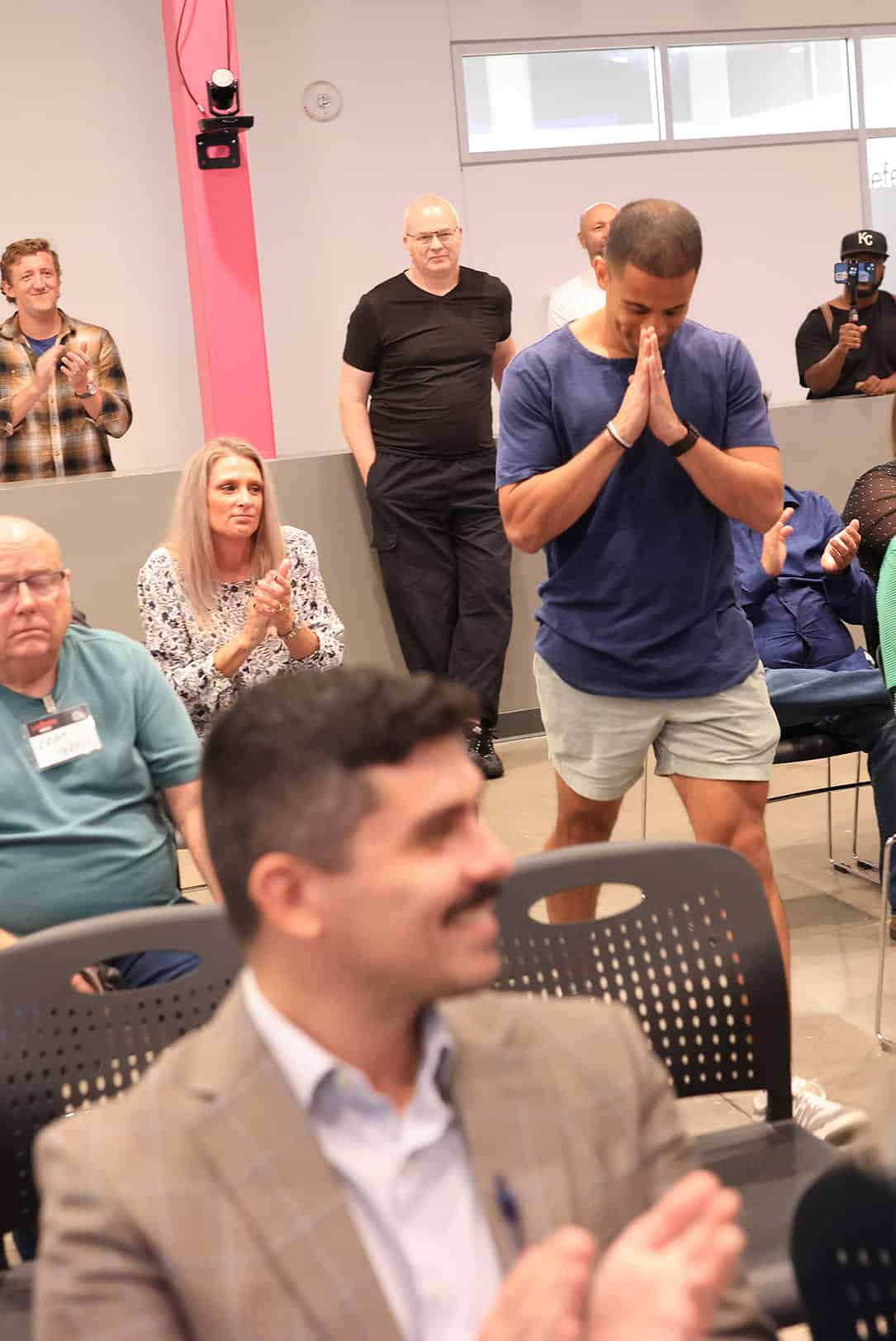
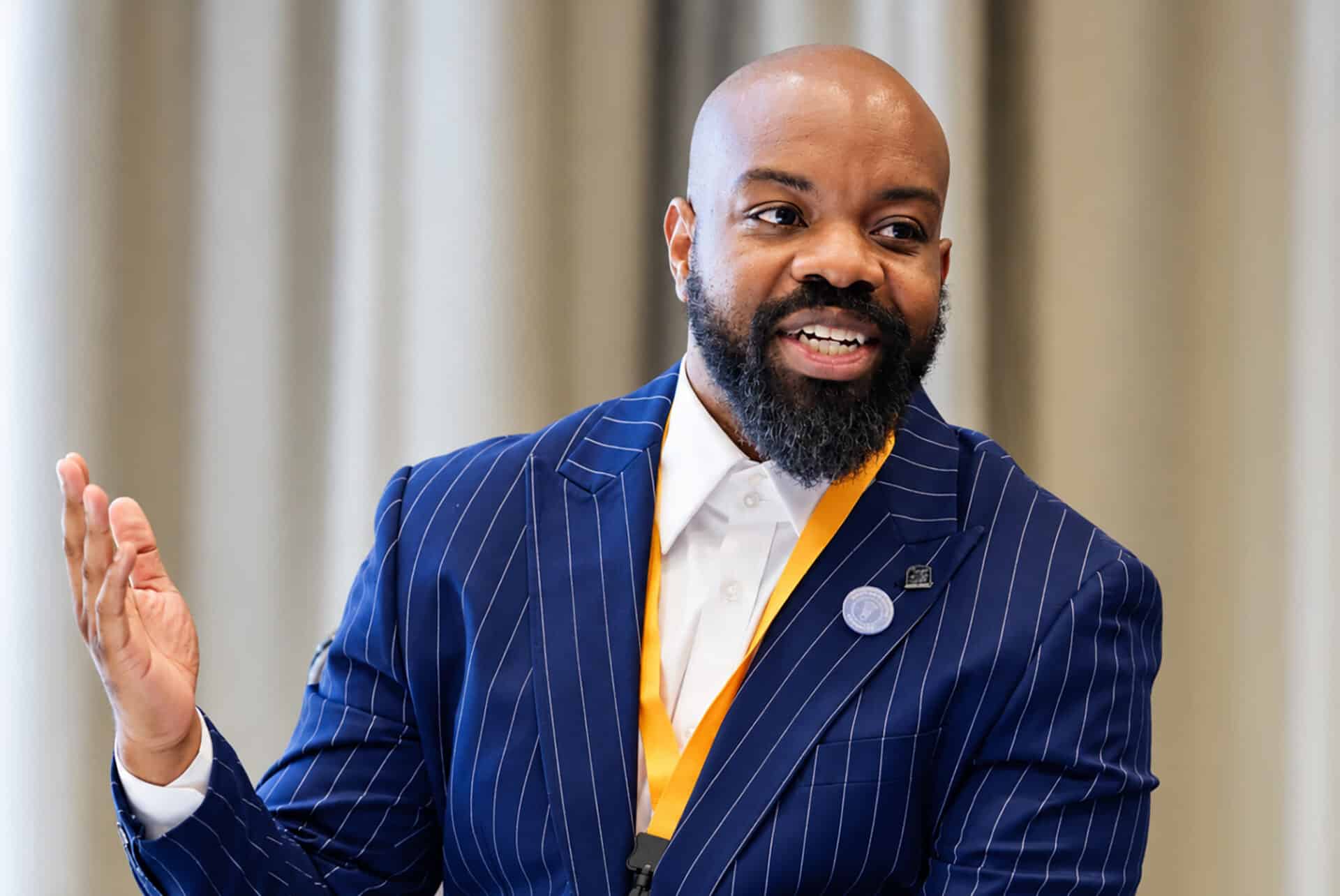
Miguel Johns reacts after being named winner of the Wichita regional Startup World Cup competition; photo courtesy of the Kansas Department of Commerce
Johns won the Sept. 18 regional Startup World Cup pitch competition in Wichita — just one piece of Launch Week in the city — earning an opportunity to present in San Francisco at the Startup World Cup Grand Finale, where more than 100 regional champions from around the world will compete for a $1 million investment prize.
RELATED: KC healthtech company earns ticket to Startup World Cup, shot at West Coast investor’s $1M
“The opportunity for us now to be at that event with 2,500 investors from around the world who are interested in investing in tech — it’s unbelievable. Honestly, a dream come true,” said Johns.
Milton is seeking $1 million in funding to hire additional engineering and AI talent and accelerate development.
The company’s immediate focus is proving the model at gyms like Optimal Performance before scaling it across the independent fitness market.
The Wichita gym brings 20 years of operating experience to the relationship, while Milton adds its AI technology and growing member data. The two companies are now working to prove whether one system can make an independent gym easier to run while giving trainers more time to focus on the people in front of them.
“We all know what we need our clients to do; they know what they need to do. Doing it is hard. Tracking it is even harder,” he said. “So if we see that engagement, it’s like, okay, we’ve really made it easy enough that people will spend a minute a day doing it.”
Fund More Stories
This story was made possible by readers like you. Join them — make a one-time contribution or become a monthly member to sustain our work.