Private, encrypted documentation tool adds time stamp amid fog of confusion, founder says
August 25, 2026 | Nikki Overfelt Chifalu
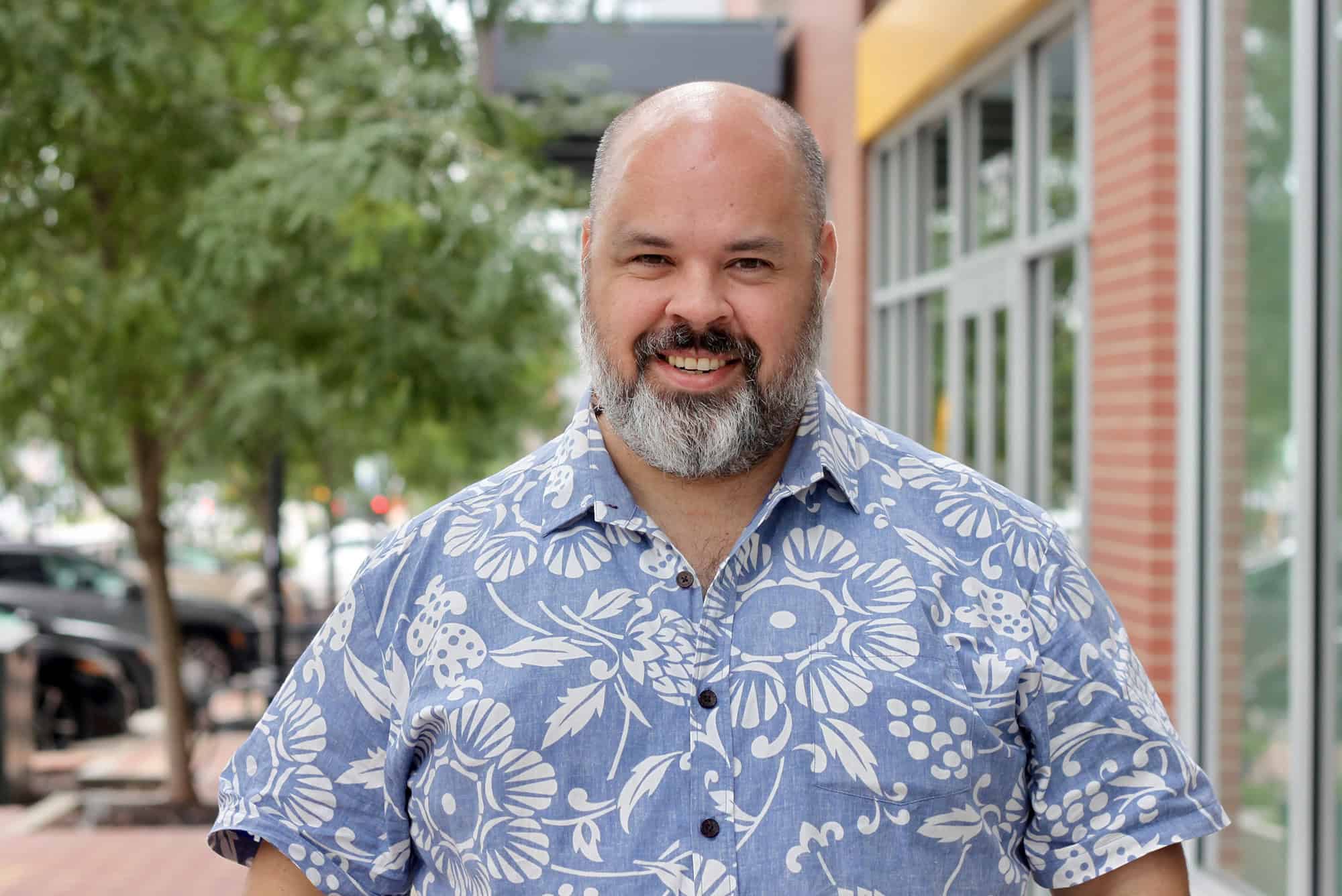
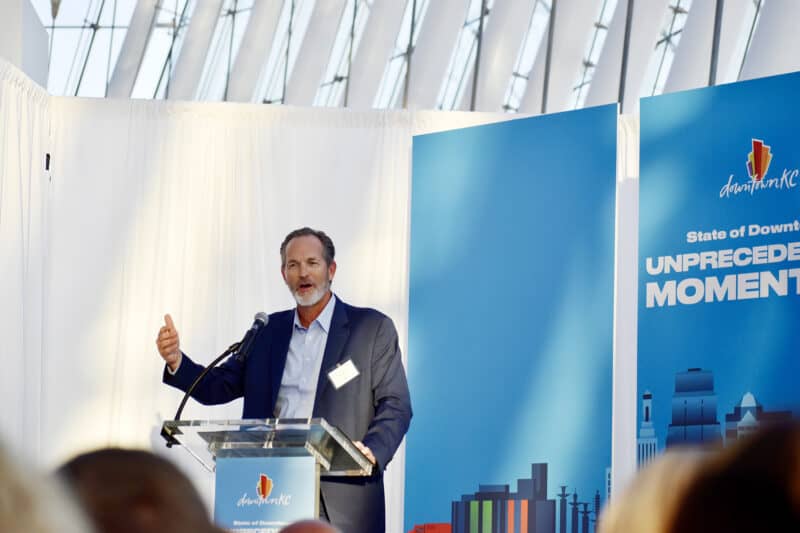
Jameson Huckaba, Notarus; photo by Nikki Overfelt Chifalu, Startland News
Jameson Huckaba is building a personal journaling tool with a shot of adrenaline, he shared.
Launched earlier this year, Kansas City-based Notarus keeps important moments — notes, photos, documents, and readings — in a private, tamper-evident timeline, especially useful for those who are co-parenting, caregiving, homeschooling, and on a sobriety journey.
 “Smart people in our lives tell us to document things and organize them,” Huckaba explained. “Usually it’s a collection of memories or text messages or pictures or emails, and they’re fragmented. How do you organize and put those all in the same place? So I built a tool exactly for that.”
“In the fog of challenging situations, we don’t really know what’s true,” he continued. “But if we have a documented record of that and a chronological timeline of that, we can identify patterns and we can ground ourselves in that truth to some degree. This will preserve anecdotal evidence, as well.”
Each timeline is time-stamped, tagged with people and categories, and keeps photos and documents together with the moment they belong to, continued Huckaba, a systems engineer by trade and a veteran of the hospitality industry.
“Notarus doesn’t guarantee truth; it accepts what you put in it,” he noted. “But it helps you understand how things happen chronologically and identify patterns. Then it gives you ways to share that information with people who might be concerned.”
“We’re doing some interesting things where we’re taking this data and we’re essentially putting a fingerprint on it and saying this happened at this time and it hasn’t been changed,” Huckaba added. “We didn’t scribble a bunch of stuff in a notebook the night before court.”
Flexible functionality
Notarus is flexible enough to fit individual situations without trying to shoehorn anybody into a box with a number of use cases that are unique, he said, noting his family uses the platform for their homeschooling reporting requirements for Missouri.
“In building this, I kept thinking about ways that this can help people,” Huckaba explained. “My dad is using it to care for my aging grandmother, for instance, just to document, ‘Hey, we did these things and grandma was taken care of.’ He can share that information with his siblings.”
“If you’re in a custody dispute, for instance, and you’re trying to co-parent, you can share that with the guardian ad litem or the court,” he added. “If you are in a landlord-tenant dispute or you have an issue at work, this is a way to catalog and organize those thoughts and share it with people who matter.”
The platform is also useful for creating a sobriety timeline, Huckaba noted.
“This is not court mandated, but it helps you keep a personal record of, ‘Oh hey, I’ve had green days here,’” he explained. “There is functionality coming that allows other people to schedule when you might want to test. There’s an iOS version available that will connect to Bluetooth-connected breathalyzer devices.”
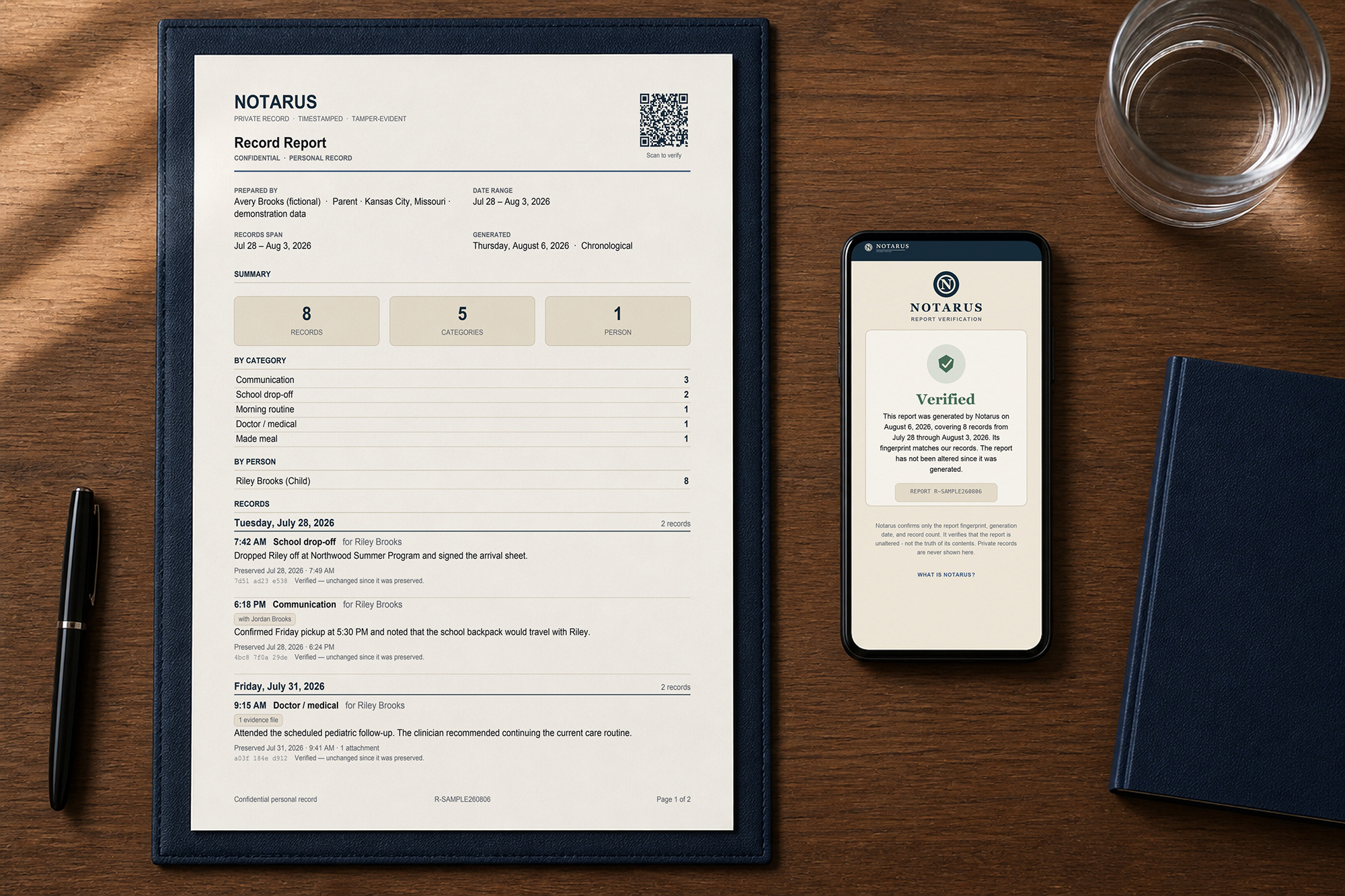
Notarus platform display; courtesy image
Each of the timeline submissions is cloud-synched and accepts documents, photographs, and anecdotal evidence, he shared.
“We have an importing tool that allows it to work with some of the established players in the space,” he continued. “Our Family Wizard is maybe the main tool out there that parents use to communicate with each other when they’re trying to figure out how to co-parent.”
“We’re not guaranteeing admissibility in court or anything like that,” Huckaba added. “That’s not our role. But our role is to organize thoughts and ideas so they’re easily presentable and considered by counselors.”
Huckaba has also developed an observations section, he said, which surfaces recurring patterns across a user’s timeline — frequency, timing, and changes over time — and makes every observation traceable to the underlying records.
“It’s an important differentiator for Notarus,” he explained. “Rather than simply storing individual events, it helps users understand what the accumulated record actually shows, without making diagnoses or unsupported conclusions.”
Everything is encrypted and private, he noted, unless the user shares it with someone.
“We have taken that seriously because people put their information into this,” he added. “And we want them to feel good about that.”
People-focused roadmap
Improving the lives of people around him has also been Huckaba’s north star, he shared, whether that’s building systems as an engineer, working alongside award-winning chefs in Washington D.C., or designing apps like Notarus.
“My hospitality, people-focused background with my systems engineering experience — I’ve been writing code and software since I was in fifth grade — my collection of experiences led me to this point,” he acknowledged.
Now that he has users for Notarus, he said he plans to continue to grow and develop the platform, especially adding collaborative tools like the ability to build exhibit packets for attorneys or to schedule blood-alcohol level tests or to temporarily add a babysitter as a guest to the account.
“I have a roadmap for where I want to go in terms of extending the functionality and whatnot,” he explained. “It’s less about features and it’s more about ease of use. It’s more about capability. It’s more about intuition.”
“I’m in a productive phase and building some things,” he added, noting that, as a sommelier at Vintage ’78 Wine Bar in downtown Overland Park and the beverage director for the Rock Island Bridge, he is also building tools that help him run the bar program and track and organize shift meals and drinks.
Fund More Stories
This story was made possible by readers like you. Join them — make a one-time contribution or become a monthly member to sustain our work.