How a KC-brewed probiotic is saving lives in the Philippines by eating toxins in human waste
June 3, 2026 | Nikki Overfelt Chifalu
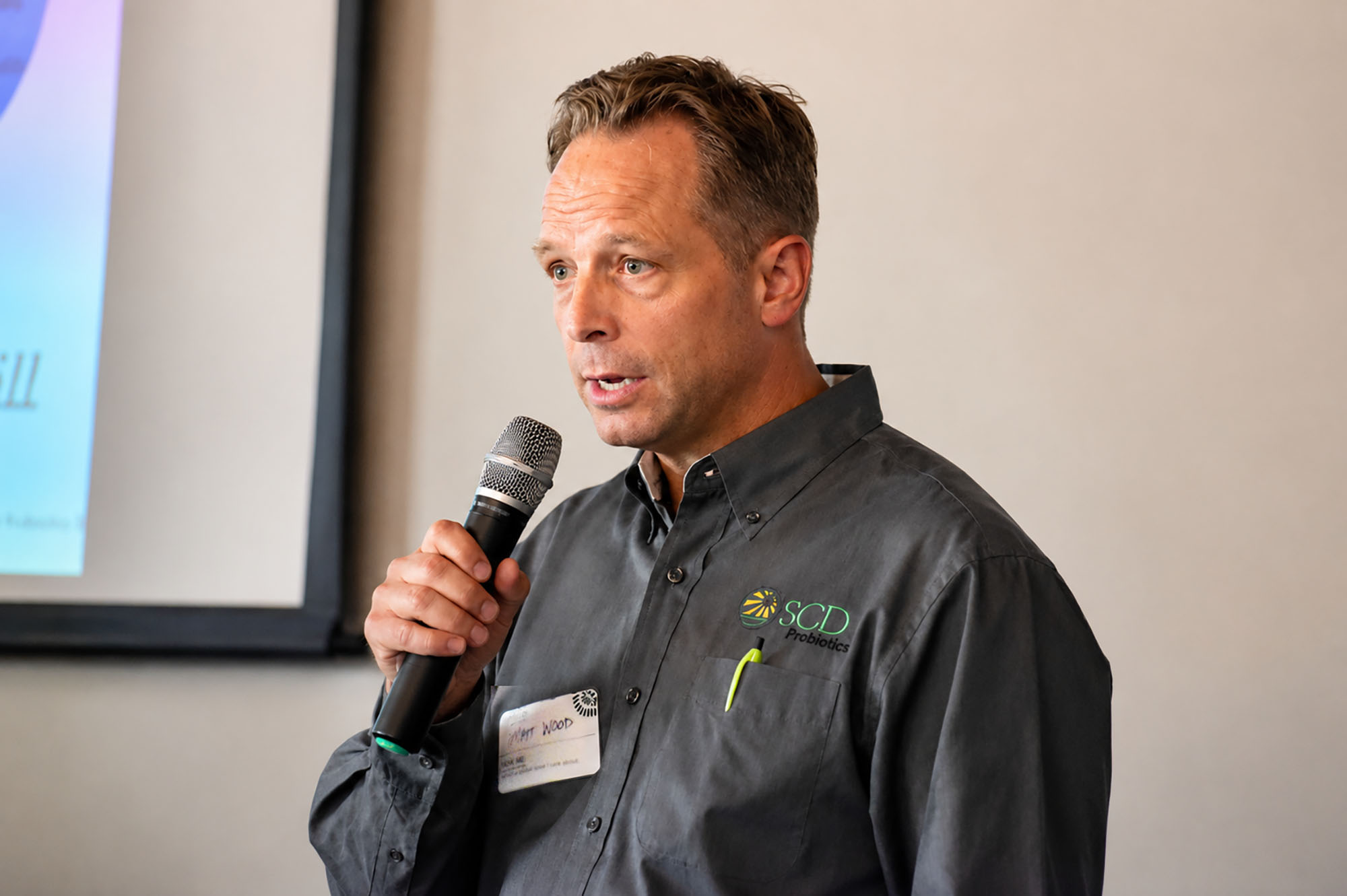
Matt Wood, founder of SCD Probiotics, speaks in the Crossroads at Outreach International's headquarters; photo by Nikki Overfelt Chifalu, Startland News
A cross-culture collaboration between a Crossroads-based probiotics company and a global nonprofit could help ferment a more healthful world beyond poverty, said Matt Wood, describing a new use for the business’ simple, probiotic brew — similar to a kombucha — in stopping disease transmission via unsanitary communal toilets.
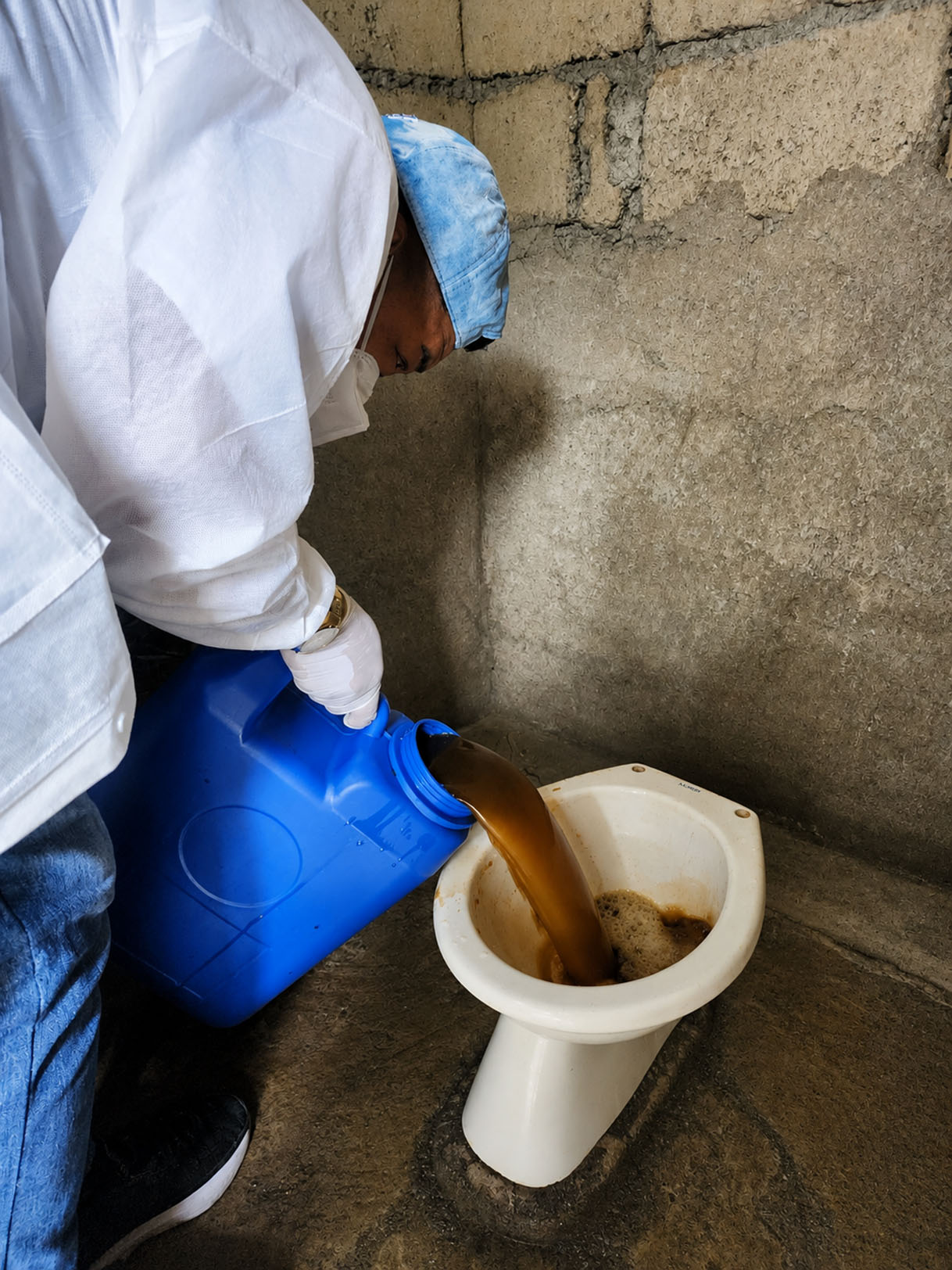
An Outreach International worker pours a probiotic mix from SCD Probiotics into a latrine; photo courtesy of Outreach International
“It’s filled with beneficial microbes,” said Wood, who founded SCD Probiotics 28 years ago at the University of Missouri. “And those microbes just go into the latrine and they eat the waste, they reduce the sludge, they eliminate the foul odor, they compete with the pathogens, so it’s less toxic.”
SCD Probiotics and Outreach International have teamed up to develop the probiotic-based solution, which aims to manage fecal sludge in pit latrines, a scalable, low-cost intervention currently being tested in the Philippines to interrupt the transmission of disease, according to the nonprofit, which is dedicated to community-led poverty solutions.
“I believe that collaboration can lead to transformative change,” said Elene Cloete, president and CEO of Outreach International, in late May at the organization’s In Common: A Gathering for Creating Good event that highlighted the partnership and preliminary study results. “And such change is possible if we come together and we connect on our shared goals.”
“It’s through our collaboration that we got together and thought, ‘OK, what technologies do you have?’” she continued. “‘What approaches to poverty reduction do you have? And how can we bring that together to address challenges around sanitation in the Philippines?’”
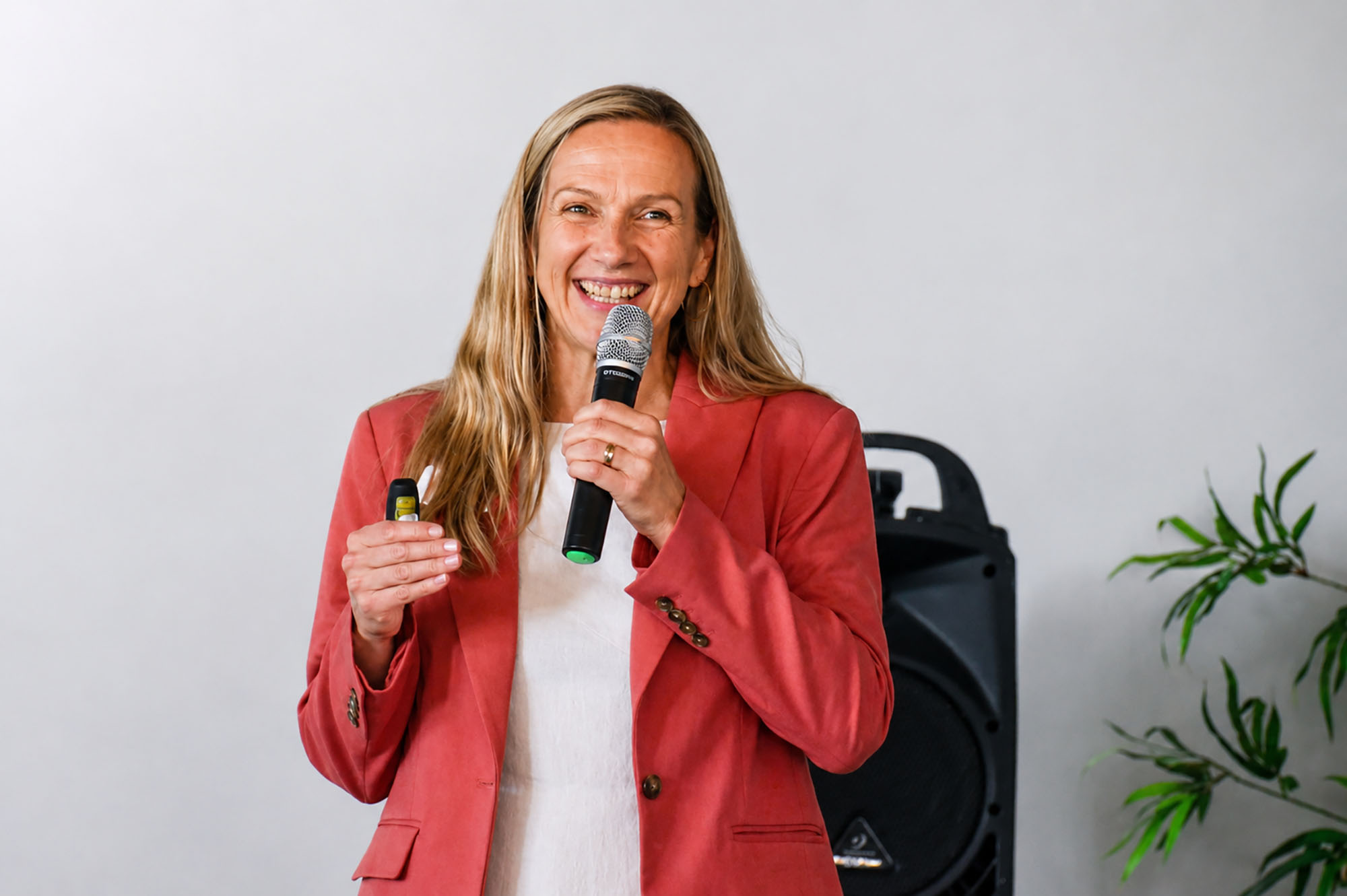
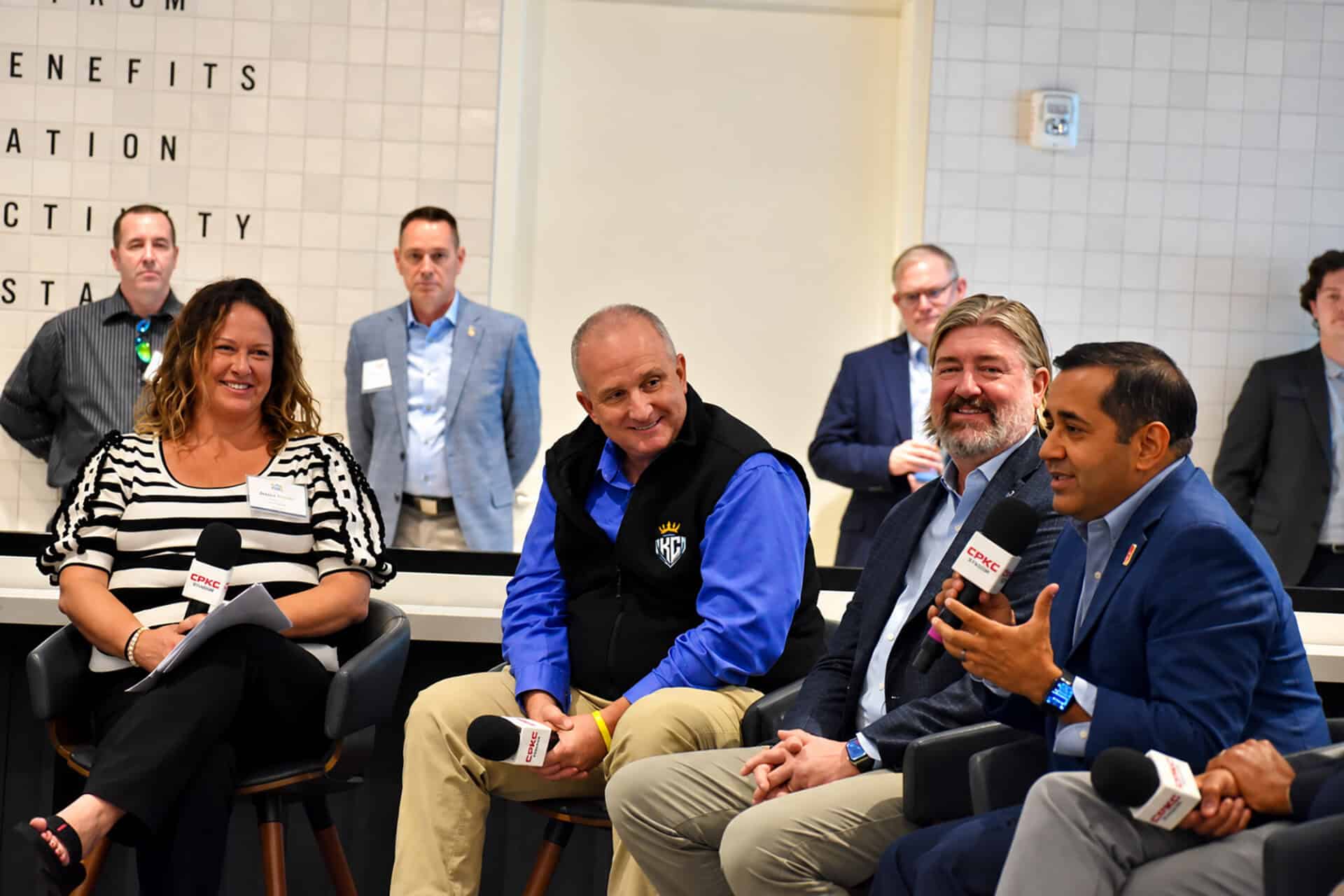
Elene Cloete, president and CEO of Outreach International, speaks in late May at the organization’s In Common: A Gathering for Creating Good event; photo by Nikki Overfelt Chifalu, Startland News
SCD Probiotics pioneered development of natural probiotic technologies that restore environmental balance with a variety of products and applications across three segments: industrial (leather tanneries, textile mills, and paper mills) agriculture (crop and animal production), and consumer products (human health, lawn and garden, pets, and food waste and recycling).
“The sanitation infrastructure in the world is a real issue,” Wood explained.
“We partnered with Outreach International because, as we understood it, they supported communities in creating latrines,” he added. “And eventually those latrines filled up and folks didn’t know what to do with that waste. It could have pathogens and be dangerous.”
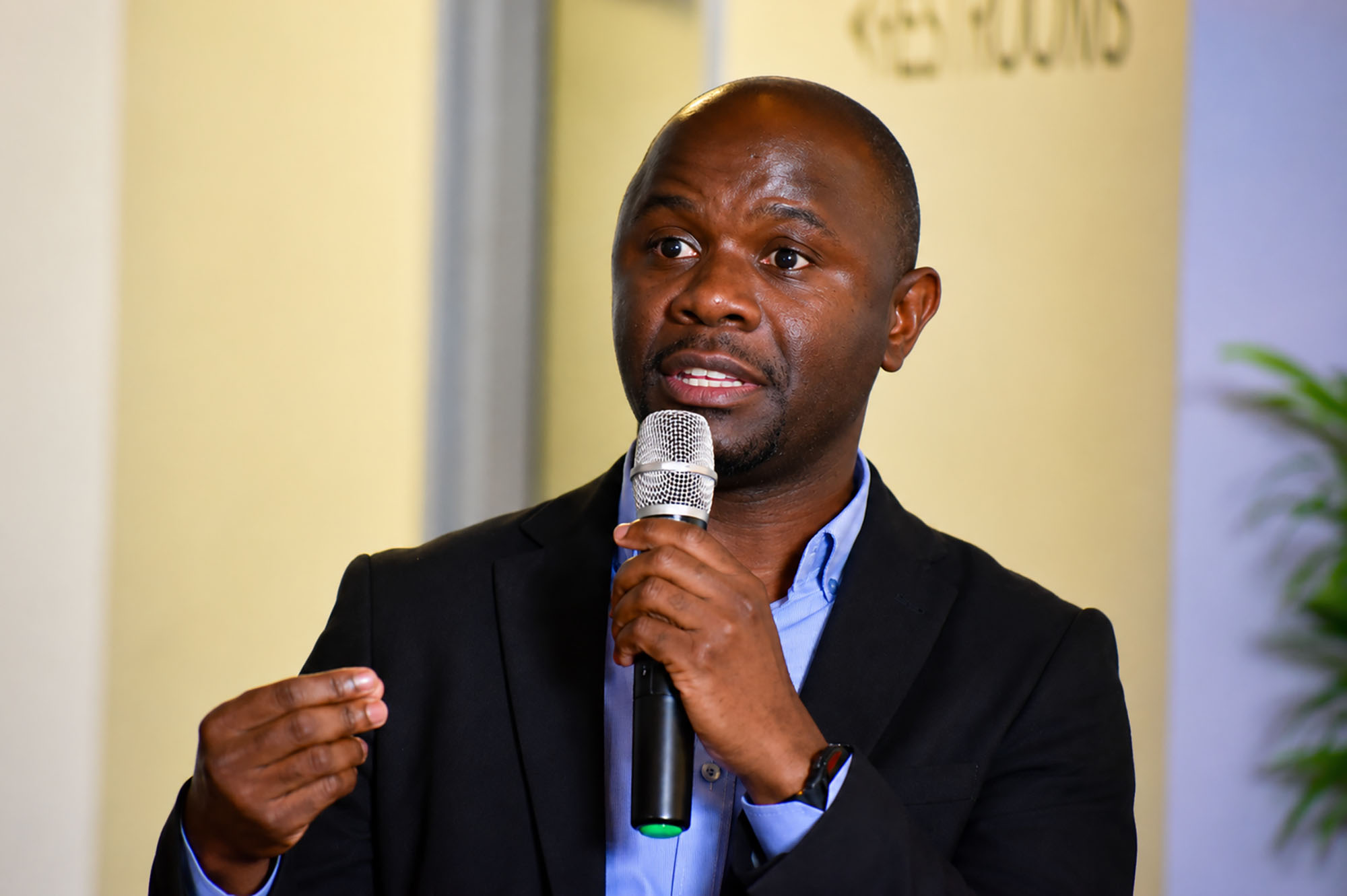
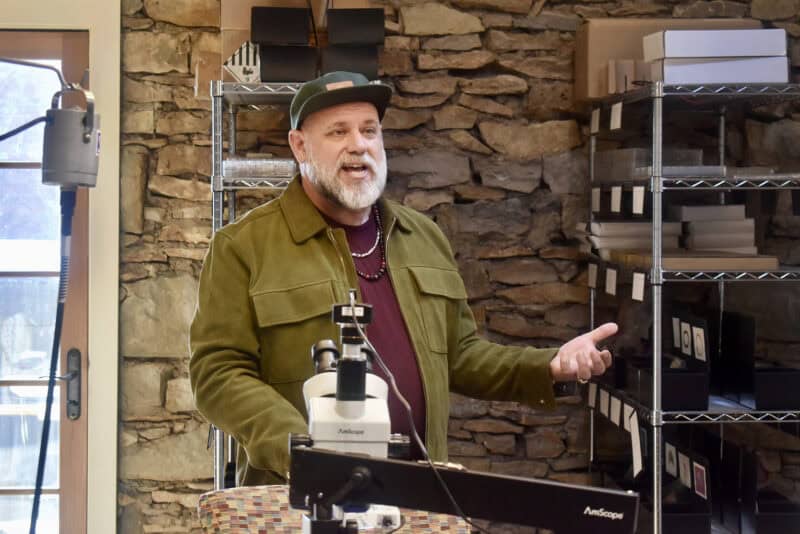
Dr. Musa Manga, the Joan Heckler Gillings Endowed Assistant Professor at the University of North Carolina-Chapel Hill, speaks in May at Outreach International’s In Common: A Gathering for Creating Good event; photo by Nikki Overfelt Chifalu, Startland News
Dr. Musa Manga — Joan Heckler Gillings Endowed Assistant Professor at the University of North Carolina-Chapel Hill who uses environmental engineering and microbiology tools to identify low-cost, scalable, and sustainable interventions to interrupt transmission of excreta-related diseases to protect public health and wellbeing — is helping to facilitate the project and presented a proof of concept on the innovative solution at the May event.
For the preliminary study, Manga said, they enrolled 16 latrine facilities in the community, 12 of which received and were trained to use the probiotic solution (the other four were control facilities). After one month, the sludge depth decreased in all the facilities that received the probiotics and increased in all but one of the control facilities.
“It gave me goosebumps because I realized, ‘Oh, this can work,’” he added, noting more research needs to be done but the early results are promising.
This study is a great example of two local entities bridging the gap between global research and community-led action to ensure environmental justice for underserved populations, Outreach International shared.
“I believe that a world beyond poverty is possible,” Cloete said. “It’s even more so possible if we collaborate, if we put together our technologies, our innovations, our energies, that world can be even more possible.”
“We live, we work, and we are — depending on your accent — from a city that is incredibly generous in its knowledge and its technology, its innovation and its potential,” continued Cleote, who is from South Africa. “And we have seen how Kansas City shows up in the world time and time again. We believe in how Kansas City is going to grow in its influence in the world.”
Fund More Stories
This story was made possible by readers like you. Join them — make a one-time contribution or become a monthly member to sustain our work.