Leaked discount codes cost online sellers millions; KC startup sweeps their profits back
May 19, 2026 | Taylor Wilmore
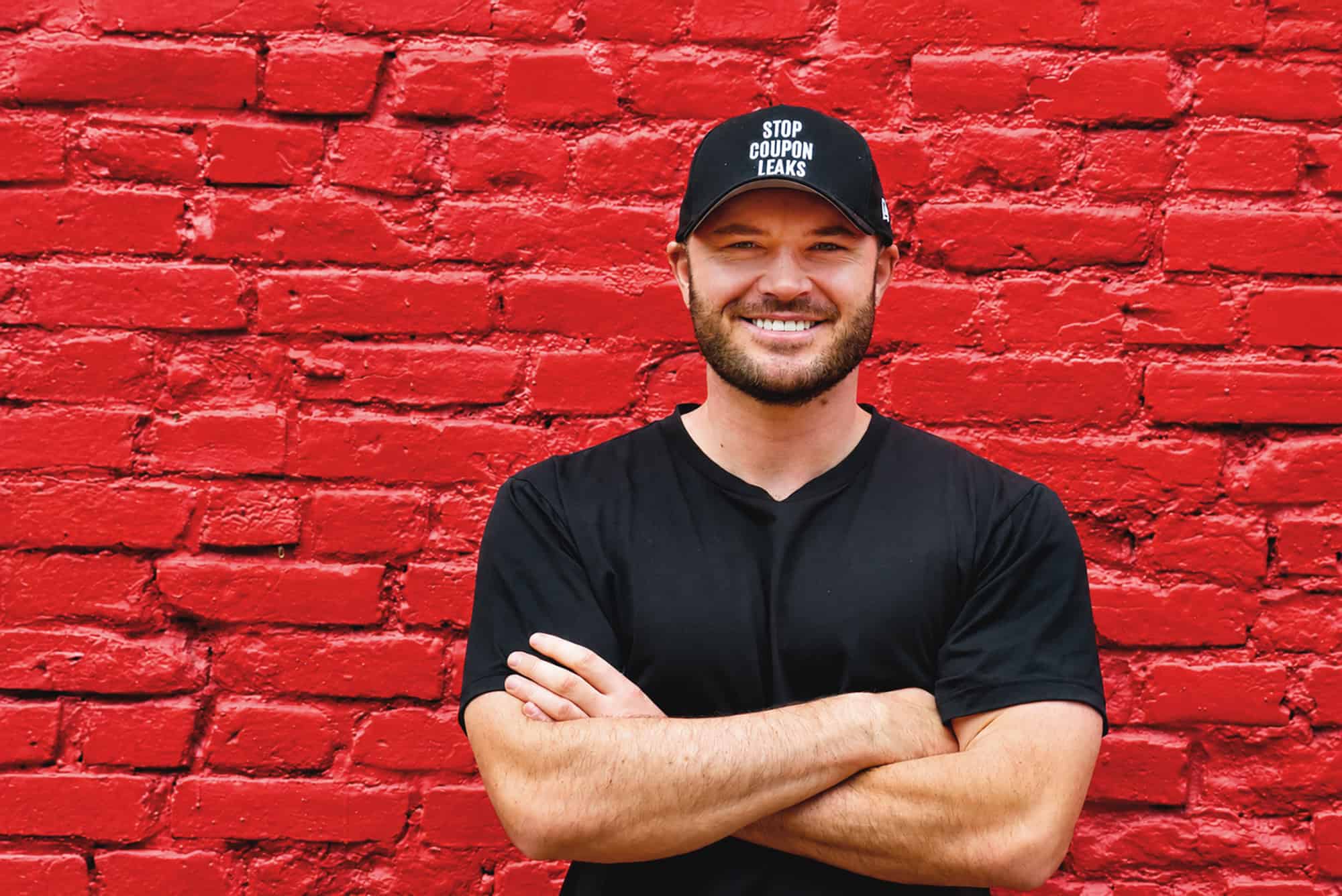
Jordan Williams, Veeper; photo by Taylor Wilmore, Startland News
Kansas City startup Veeper built its business around discounts, explained co-founder Jordan Williams; now, it’s helping ecommerce brands stop such deals — and fraud often linked to influencer marketing — from eating into profits.
Veeper, which once focused on optimizing discounts for Shopify merchants, has shifted to software that targets coupon code leaks, a growing problem tied to browser extensions and discount sites.

“Essentially, we stop affiliate fraud,” said Williams. “There are about 150 coupon browser extensions shoppers can install. When they’re shopping, those extensions scrape websites for discount codes and automatically apply them at checkout.”
Veeper recently disclosed a $1.7 million pre-seed round and could pursue a seed raise later this year as it grows its team. The company also turned profitable just before Black Friday 2025, a milestone Williams said showed the startup was headed in the right direction.
“We got a lot of traffic and new brands just before Black Friday because it’s the ecommerce Super Bowl,” said Williams. “They wanted to make sure they were protected ahead of Black Friday.”
Pivoting from smart discounts to stopping leaks
Veeper originally launched to help Shopify brands personalize discounts through machine learning. But while building tools to improve conversion rates, the team kept running into another problem: browser extensions overriding discounts with leaked coupon codes.
“We quickly realized brands cared way more about stopping a 20% leaked code than optimizing a 5% code,” said Williams. “So we pivoted to stopping coupon code leaks.”
That realization changed the business. What started as a tool for smarter discounts became software focused on helping brands protect profits, especially those that rely on influencer and affiliate marketing.
For ecommerce brands, the problem often starts with a discount code shared through an influencer campaign or marketing partnership. From there, browser extensions and coupon sites scrape the code and spread it to shoppers who were never meant to get the deal.
The costs can add up fast, said Williams. Brands lose money through bigger discounts than intended, overpay affiliate commissions and struggle to understand where sales are really coming from.
“Instead of an influencer generating 100 sales from a TikTok video, they might suddenly generate 1,000 sales because the extension keeps applying the code,” said Williams. “That leads to overpaying commission fees, misattributing sales and over-discounting.”
The ripple effects can shape how brands spend marketing dollars. “They’re overpaying influencers they shouldn’t be, and it messes up attribution,” said Williams. “They end up spending more money on channels they probably shouldn’t, while also cutting into profitability through discounts.”
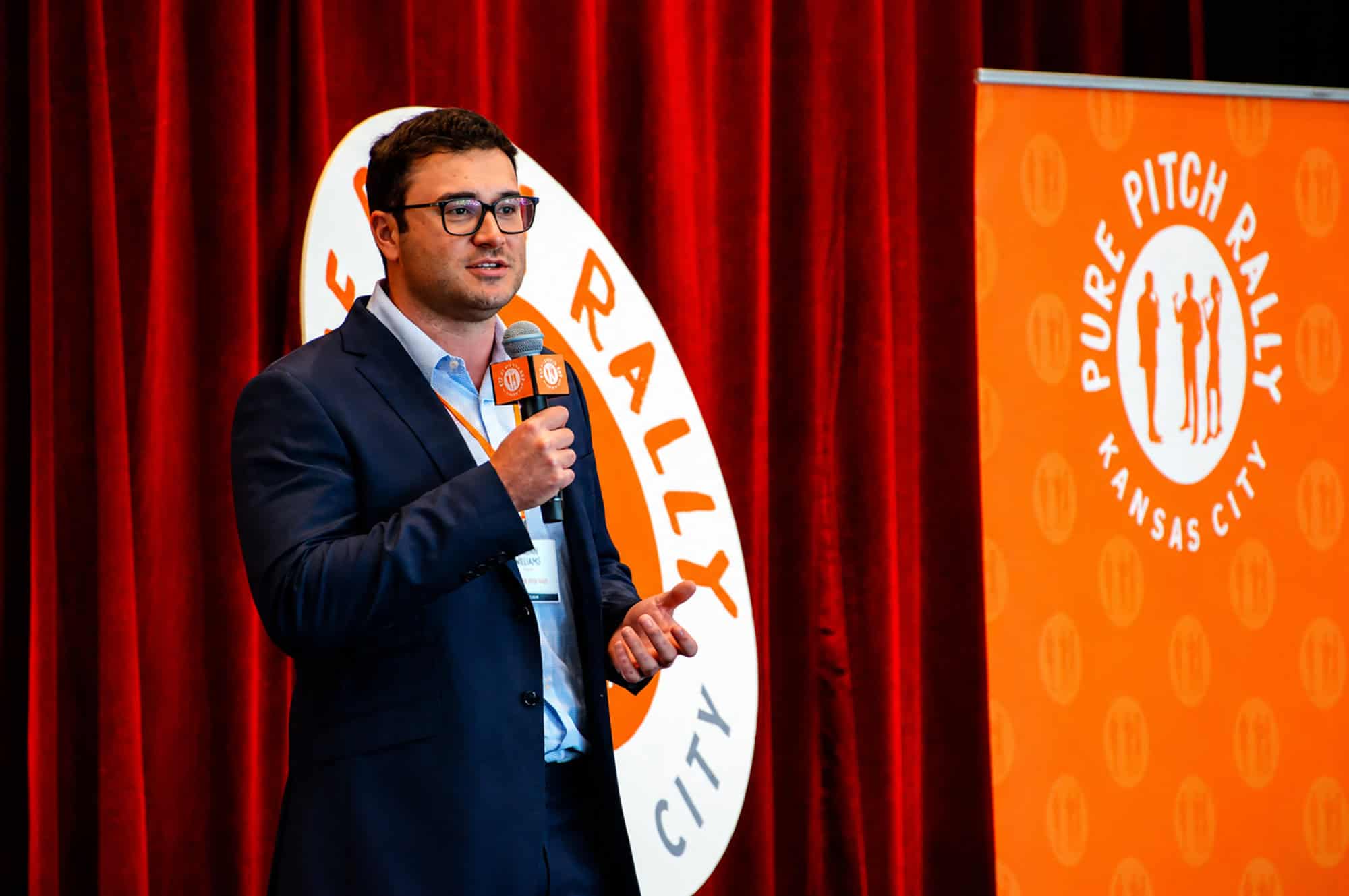
Jordan Williams pitches his company, Veeper, and its original concept during the 2021 Pure Pitch Rally in Kansas City; photo by Tommy Felts, Startland News
Bigger brands, new tools
As Veeper narrowed its focus, the startup also started working with larger ecommerce brands, where leaked codes can become much more expensive.
“We’ve really focused on larger, more enterprise brands because they immediately understand the problem,” said Williams. “The bigger brands definitely have a bigger demand for it.”
Today, Veeper works with such companies as Cozy Earth, Tommy John, Blenders Eyewear and Comfrt, which Williams said is projected to surpass $1 billion in annual revenue this year.
The startup has helped some brands recover hundreds of thousands of dollars by stopping leaked discounts and unnecessary commission payouts.
“With Cozy Earth, we’ve recovered around $225,000 for them in the first 90 days and more than $1 million over the course of a year,” said Williams. “That shows the kind of impact Veeper can have for a brand like that.”
At the same time, the company is adding new tools. One scans coupon sites and alerts brands when discount codes appear online or suddenly spike in use. Another tool in development helps automate requests to remove leaked codes, saving merchants time.
“Brands are spending anywhere from one to three hours a day managing discount codes,” said Williams. “So we’re building a full system for leaked-code takedown requests.”
Growth mode
Now profitable, Veeper is putting more focus on growth. The startup previously raised a $1.7 million pre-seed round and is expanding hiring, especially in sales and partnerships. Veeper could also pursue a $2 million to $3 million seed round later this year as it grows its customer base and tools.
“Now that we’re profitable, we’re sustainable,” said Williams. “I want to hire more people, grow the team and really give this a strong shot.”
Partnerships with affiliate agencies, influencer platforms and ecommerce networks are a big part of that plan. Instead of helping brands deal with leaked discount codes after they spread online, Veeper wants to stop the problem earlier.
The company also plans to build closer connections with affiliate and influencer platforms, helping brands better track when codes spread and avoid unnecessary commission payouts before costs add up.
“The goal is to get to 2,000 to 3,000 brands, stay very profitable, grow the team by at least five more people and become the go-to software for stopping coupon code leaks,” said Williams.
“Now that we’ve figured out what the product needs to do, we know exactly what we need to build. The upside for growing the business and revenue feels pretty unlimited.”
Fund More Stories
This story was made possible by readers like you. Join them — make a one-time contribution or become a monthly member to sustain our work.