Pipeline teams with UMKC to connect paid student consultants with Midwest founders
October 29, 2026 | Haines Eason, Freelance Kansas
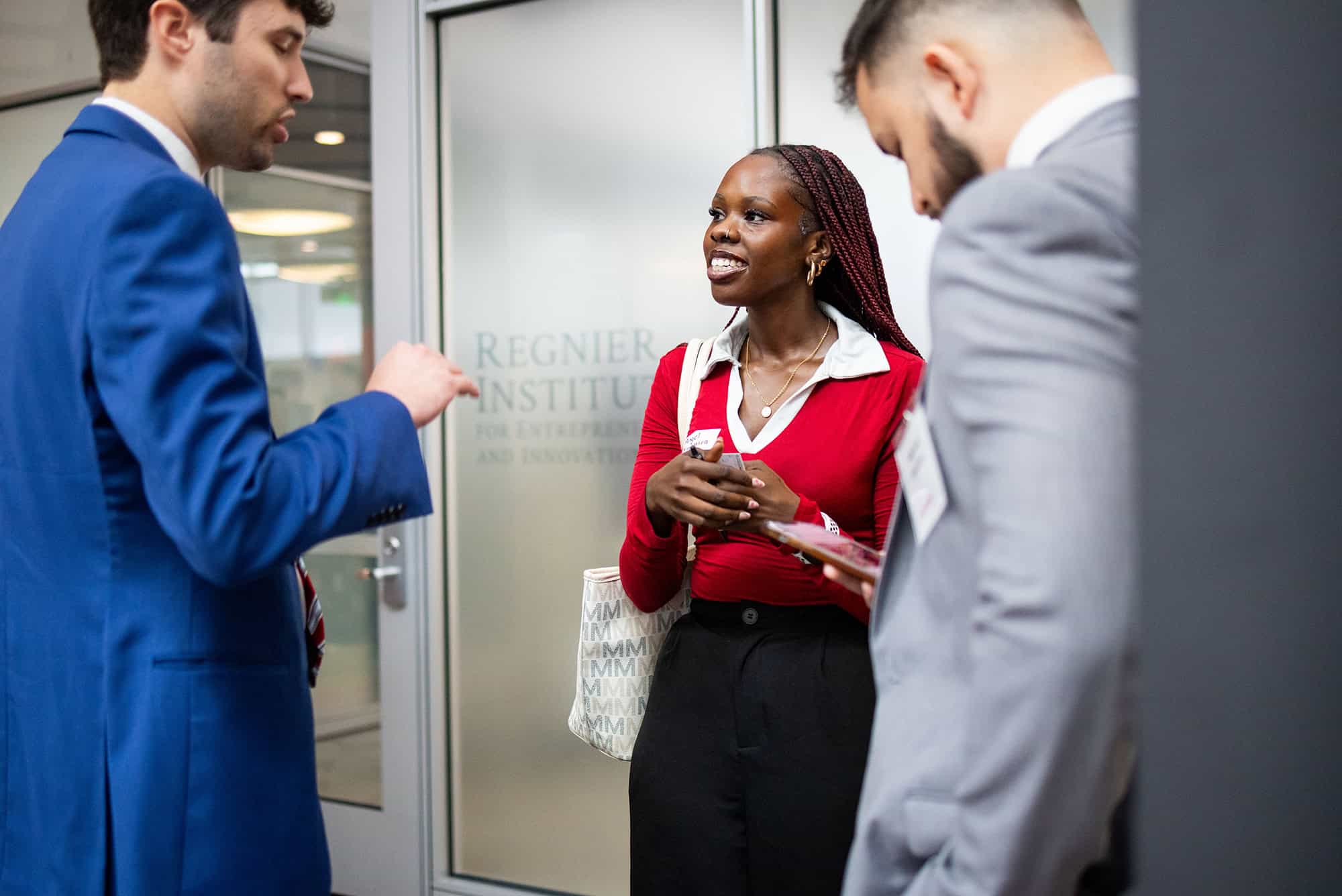
Students from the University of Missouri-Kansas City’s Bloch Consulting Lab meet at the Bloch School on the campus of UMKC; photo by Brandon Parigo, UMKC
The strategic project a founder keeps putting off could become the assignment that pushes a UMKC student beyond the classroom and into a long-term career. It could also help the founder’s company accelerate and catch essential investor interest.
An expanded partnership between Pipeline and the University of Missouri-Kansas City’s Bloch Consulting Lab is connecting student consulting teams with entrepreneurs who need help tackling business questions — while giving students increasingly complex work to prepare them for their careers.

Melissa Vincent, Pipeline
For founders, the obstacle often comes down to time, said Melissa Vincent, CEO of Pipeline, an elite network of Midwest entrepreneurs, based in Kansas City.
“Whether a founder is just getting started or scaling a company, there are almost always more opportunities and challenges than there are people available to work on them,” Vincent said. “Small teams are busy running the business, and strategic projects can keep getting pushed back, even when they could make a meaningful difference in the company’s growth.”
Pipeline previously worked with UMKC undergraduate and MBA students on semester-long projects with its Pathfinder cohorts, Vincent said. Those assignments addressed specific questions, such as whether to enter a new market or how to approach a marketing challenge.
The expansion through the Bloch Consulting Lab opens the door to larger, more complex projects and support that can continue beyond a single semester. This first round is open to members of both Pipeline’s high-profile cohorts: Fellows and Pathfinders.
ICYMI: Meet the entrepreneurs fueling a Midwest innovation surge; 2026 cohort
RELATED: Pipeline plants seeds for ‘best of the best’ emerging founders; 2026 Pathfinders
Twenty clients are expected to come through the Pipeline-linked program this semester, according to Camille Bonar, program manager at UMKC’s Regnier Institute for Entrepreneurship and Innovation, which oversees the lab.
Raising actual stakes
The partnership also addresses a challenge inside the university: ensuring students’ experience grows along with their abilities.
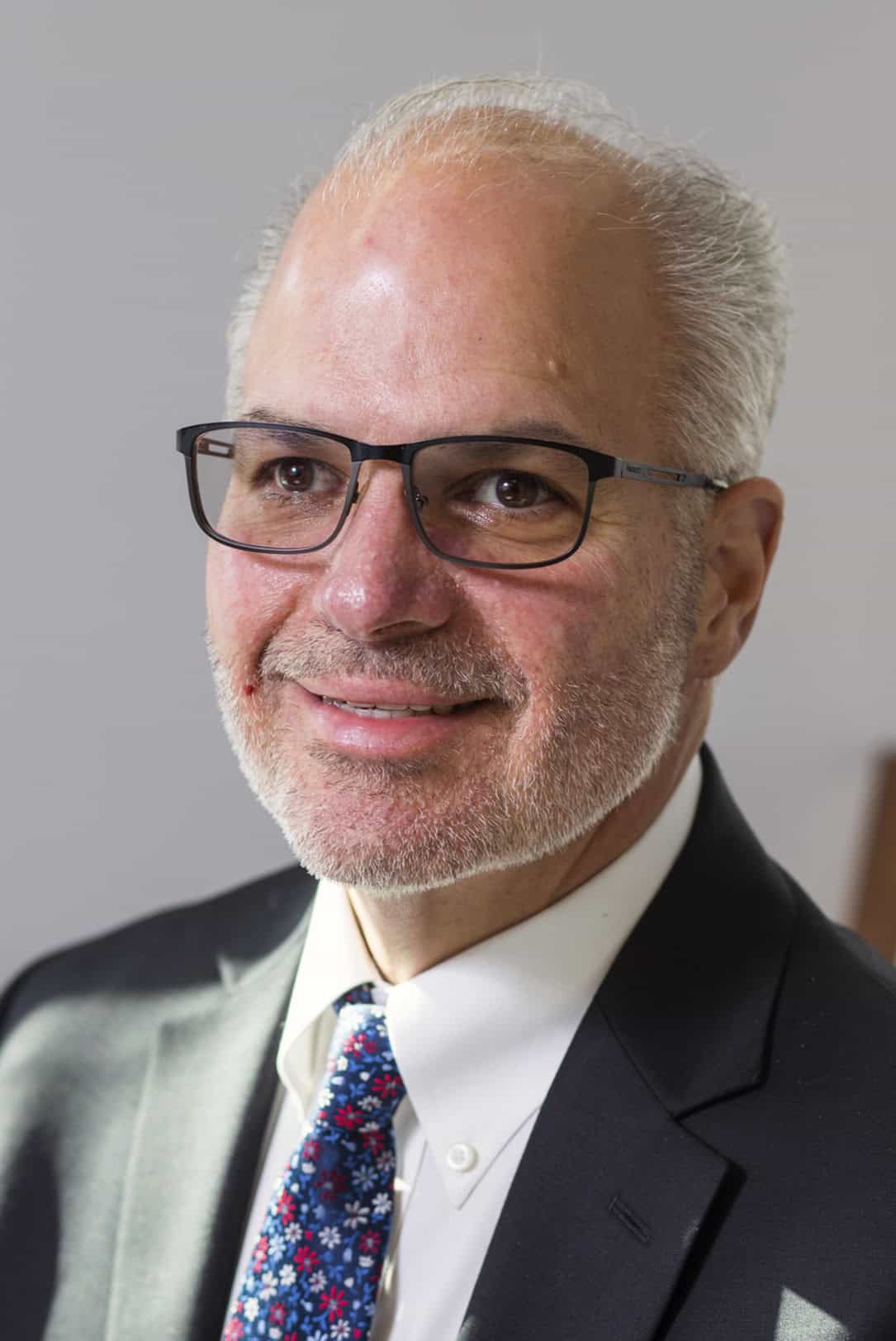
Jeff Hornsby, Regnier Institute, UMKC
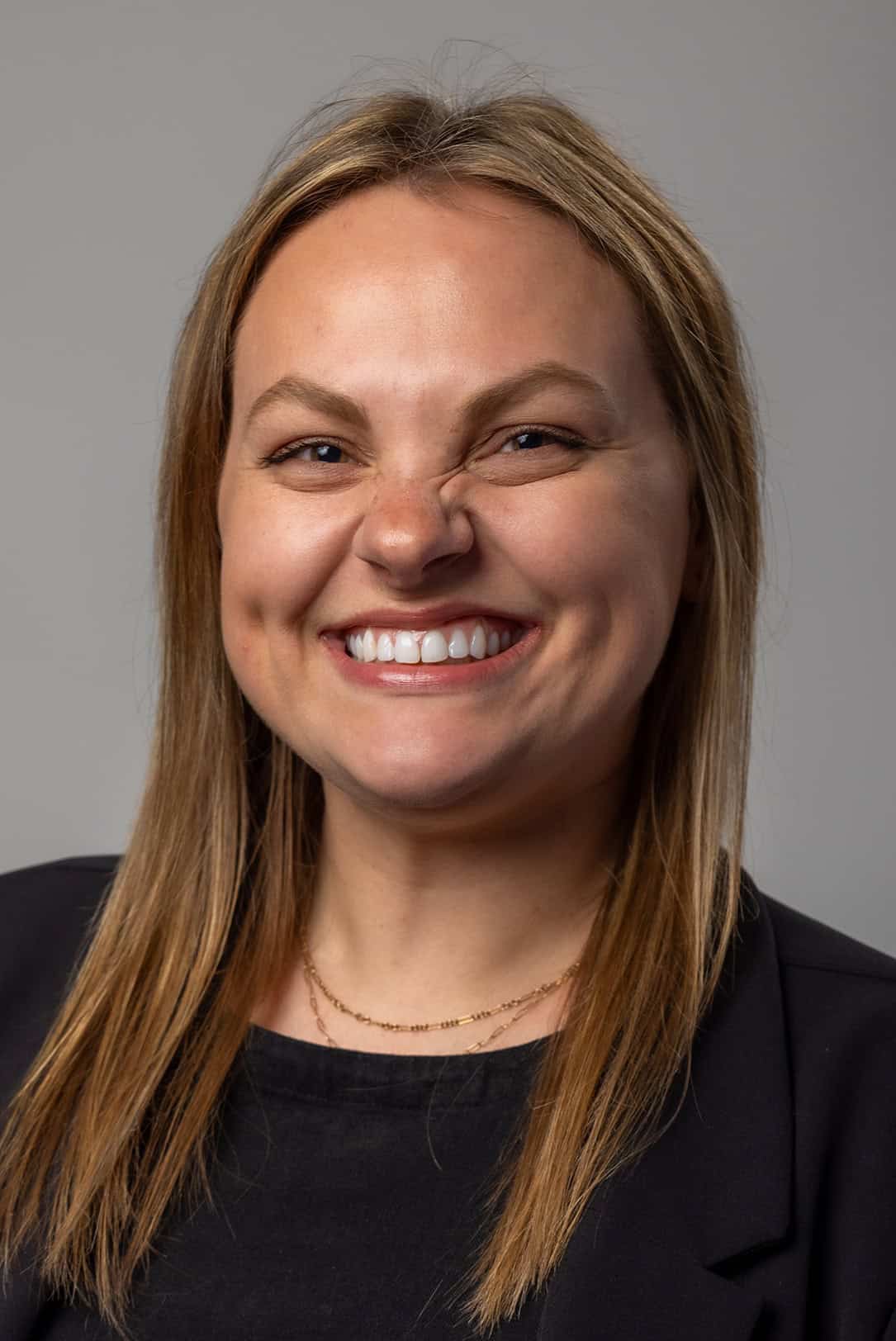
Camille Bonar, Regnier Institute, UMKC
Students might join the lab during their junior year and continue into their senior year, explained Jeff Hornsby, director of the Regnier Institute and chair of the Bloch School’s entrepreneurship and management department. Repeating similar assignments throughout that span limits what they can learn.
“We wanted to increase the complexity of the experience over time because it’s one thing to work with a startup on a social marketing plan, but to keep doing startup social marketing plans for two years doesn’t elevate the experience,” Hornsby said.
That goal prompted him to approach Vincent about extending the consulting relationship to Pipeline Fellows.
Students work in teams with faculty facilitators who provide supervision, expertise and assistance. Assignments can involve financial analysis, marketing, site selection and decisions about a business’s direction, Hornsby said.
The lab serves clients through Pipeline, UMKC’s Community Entrepreneurship Program and an online community intake form. Its student consultants represent disciplines across the Bloch School, bringing different skills to the same business problem.
The work also requires students to recognize when the question a client brings them needs further investigation.
“Our clients oftentimes come in with a perceived problem that they’re having, and then students are able to find out what the actual root cause of their problem is,” said Bonar, stressing UMKC students must assert a line of questioning to dig deep, as well as building trust and rapport with the client in order to open productive dialogue.
That process requires judgment as well as technical knowledge. Students must learn how to offer constructive feedback to founders whose persistence and conviction help sustain their businesses, she said.
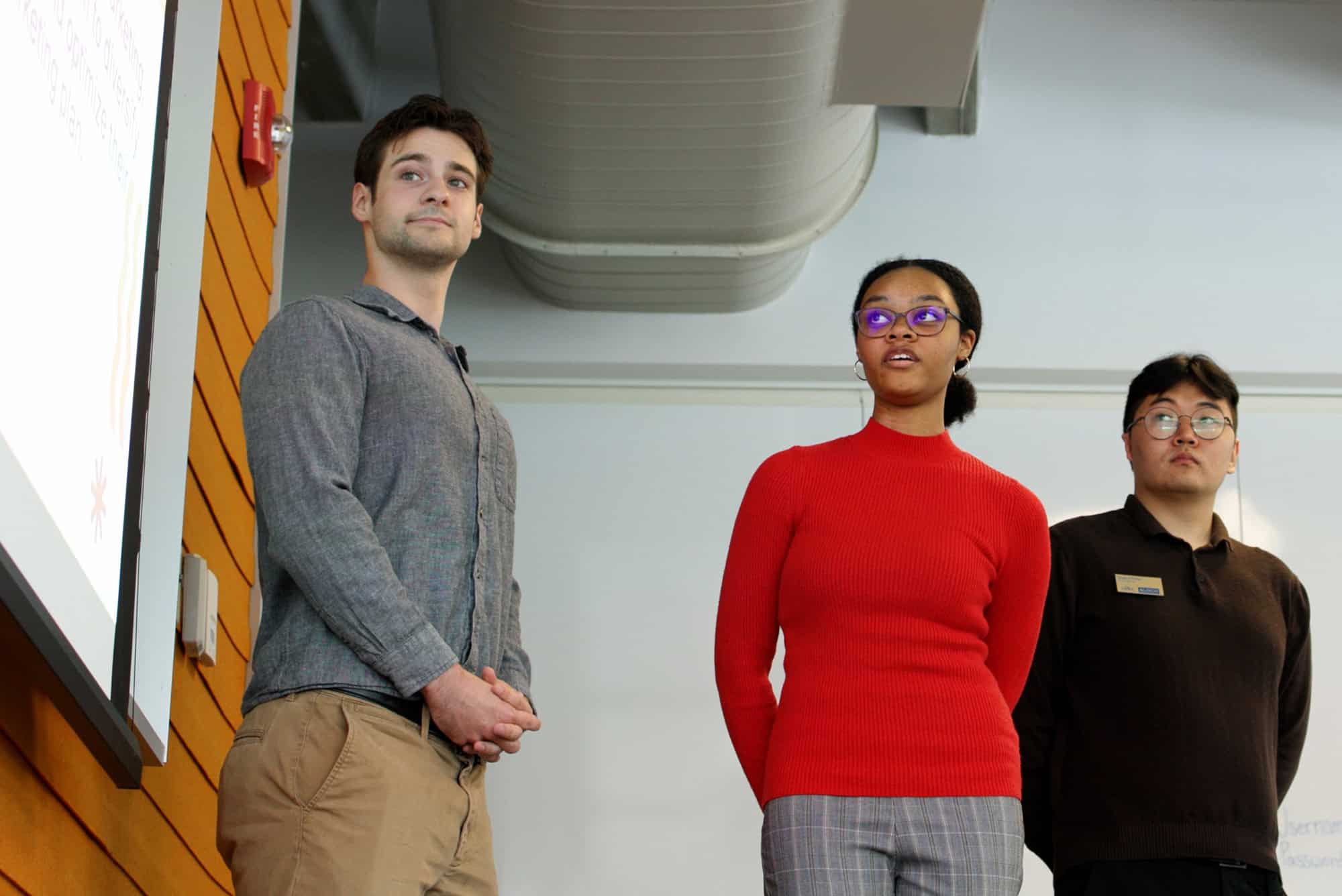
Students from the University of Missouri-Kansas City’s Bloch Consulting Lab at the Regnier Institute for Entrepreneurship and Innovation give a presentation at UMKC’s Bloch School; photo by Jon Mohr, UMKC
Removing the student affordability barrier
Philanthropy supports a model in which accepted clients receive consulting services at no cost and students earn money while developing professional skills.
Student consultants earn $18 an hour and can work up to 15 hours a week, Hornsby said. They track their time, identify the projects they work on and have their hours verified by team leaders and faculty facilitators.
The pay matters because students also need jobs, he said.
“So if we ask them to give us 10 hours without pay, we’re going to be a second or third priority to those one or two other part-time jobs they have while they have a full-time school schedule,” Hornsby noted.
For Bonar, that financial support helps students pursue career-building experience while contributing to the community. She sees a particular connection among students who come from Kansas City and envision staying in the region.
The experience gives them work to discuss in interviews: how they investigate problems, communicate with clients and apply classroom knowledge to business decisions.
Measuring what moves students, businesses forward
The expanded Pipeline work is still early, Vincent said. Teams have only recently begun working together, and the partnership’s value will depend on what entrepreneurs can do with students’ recommendations.
“For our founders, success means making meaningful progress on a project or strategic question they might otherwise struggle to get to,” she said. “We want them to walk away with insights they can use, recommendations they can act on and greater clarity about their next steps.”
Pipeline plans to assess that through founder feedback and subsequent progress, she added.
“Did the work help them make a decision, move a project forward or implement a new approach?” Vincent said. “Those are the practical outcomes that make this resource valuable.”
Fund More Stories
This story was made possible by readers like you. Join them — make a one-time contribution or become a monthly member to sustain our work.