Beyond translation: How new Spanish-only biz resources combine access with cultural relevance
September 8, 2026 | Haines Eason, Freelance Kansas
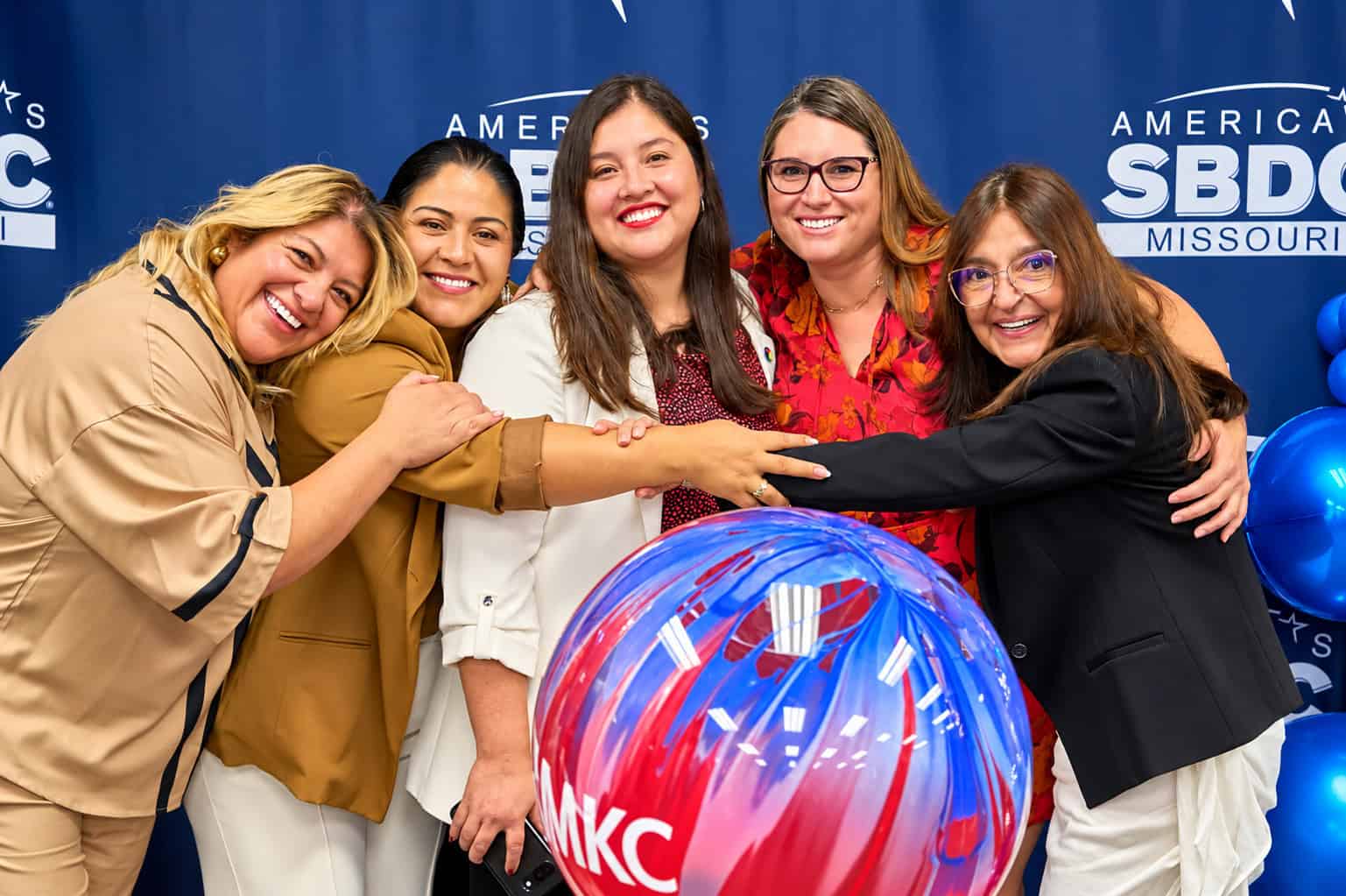
The team behind Growth360's 10-week Spanish-language cohort through Missouri Small Business Development Center at UMKC; photo courtesy of Missouri SBDC
Cristina Barker already knew how to make a room look different.
Since 2022, her Kansas City-based Balloon Magic Events has specialized in event decorating and balloon artistry. Barker had developed the technical skills. She had the creativity. Customers were coming.

Cristina Barker, Balloon Magic Events, poses with model Erika Huerta decked out in her balloon creation for a Yo Culture event; courtesy image
Running the business behind all that talent was another matter.
“I had learned a lot through experience, but I wanted to better understand the business side of what I do,” Barker said. “My main question was how to make sure my business was well-structured and sustainable.”
She found an answer — or at least a place to begin looking for one — in Growth360, an established 10-week Missouri Small Business Development Center at UMKC program designed to help existing entrepreneurs step away from daily demands and examine their businesses from all sides.
But the Growth360 class Barker joined this summer was different from those that came before it.
The entire program was presented in Spanish.
“For the first time, I had the opportunity to talk about my business completely in my own language,” Barker said.
That might sound like a relatively straightforward change: Take a successful business-development program and translate it.
The people who built the new version say they learned it wasn’t nearly that simple.
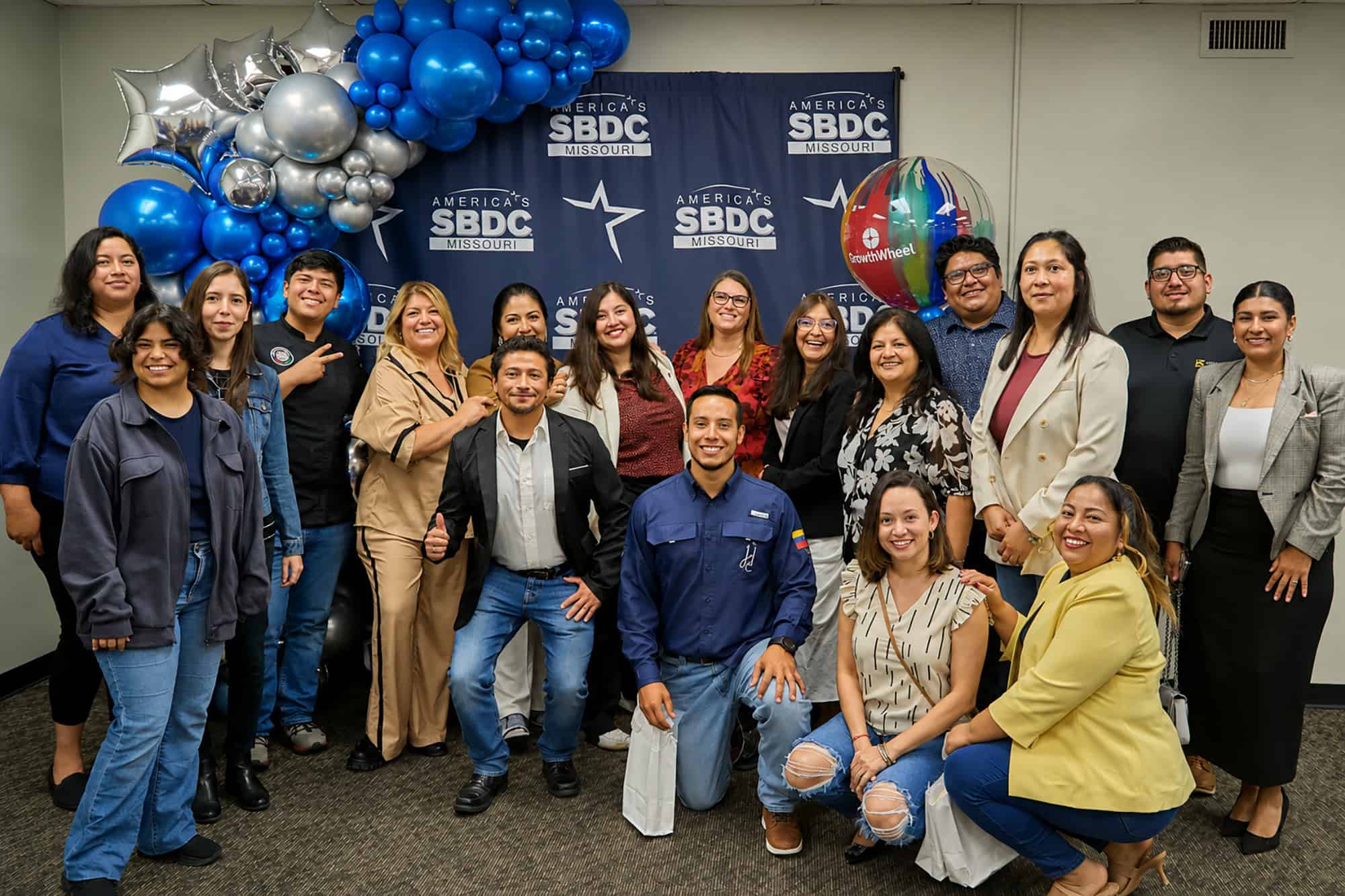
Growth360 cohort members gathering during a July graduation event; photo courtesy of Missouri SBDC
Translation just isn’t enough
Growth360 isn’t new. Jill Hathaway, regional director of the Missouri SBDC at UMKC, has facilitated the program for more than a decade, according to Sharon Forni, senior business consultant with the SBDC.
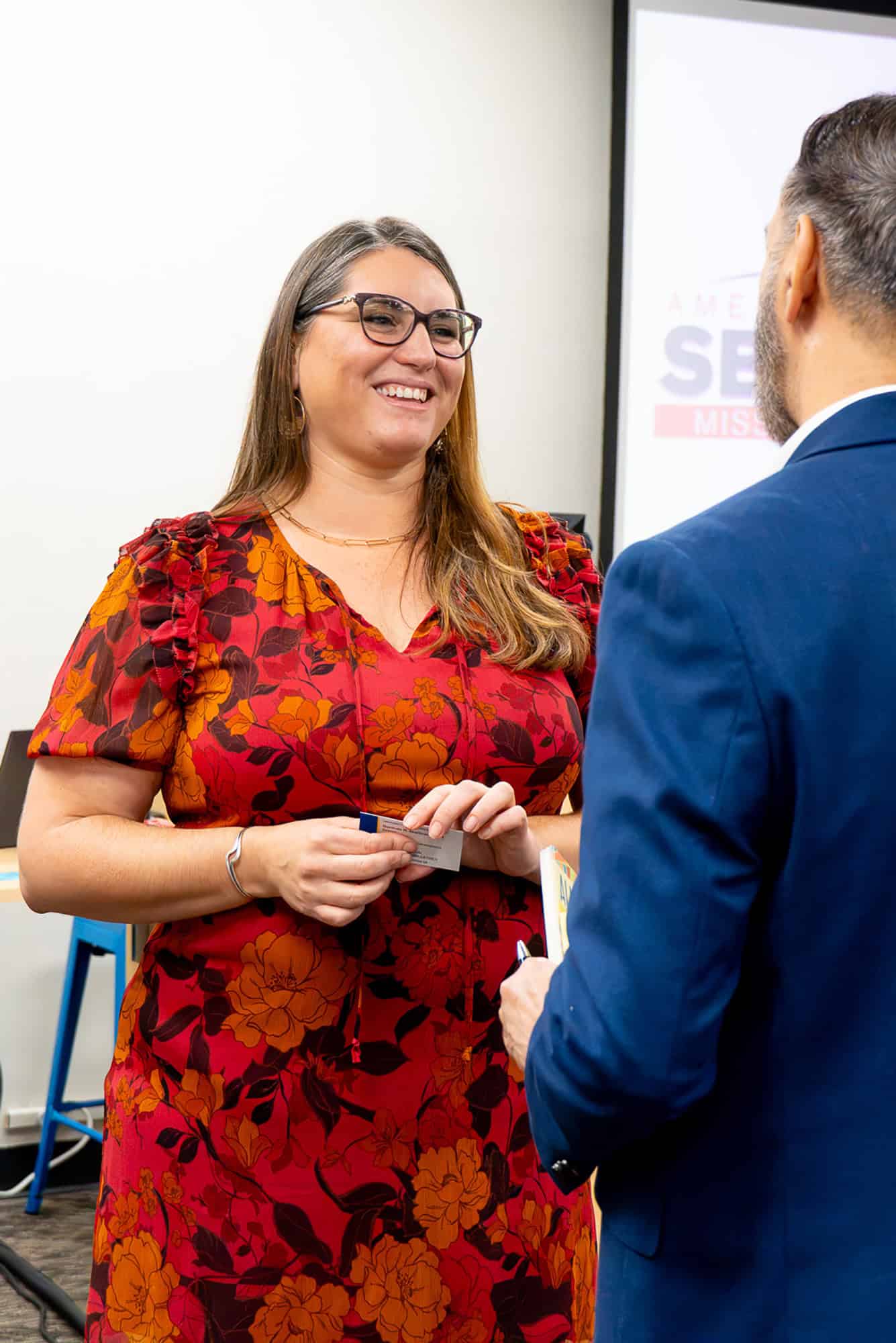
Sharon Forni, senior business consultant with Missouri SBDC, chats with an event attendee at Growth360’s July graduation; photo courtesy of Missouri SBDC
The program uses the GrowthWheel platform and peer-to-peer learning to help entrepreneurs work through the problems that emerge as businesses grow — from financial management and operations to marketing and strategy.
Spanish-language access evolved more recently.
Forni joined the effort initially as a contractor helping with hybrid English-Spanish versions of Growth360. Those classes gave her an opportunity to watch where Spanish-speaking entrepreneurs were connecting with the material — and where they weren’t.
“And that’s when we were able to determine that maybe an all-Spanish Growth 360 would allow the environment needed for somebody to learn, because at that point it’s just a learning process,” Forni said.
The challenge became not simply translating Growth360, she says, but making it “relatable to the problems that business owners are facing.”
The first entirely Spanish cohort began May 28 with 22 participants graduating in July.
Barker felt the difference.
“Of course, it made the information easier to understand, but it was much more than that,” she said. “It allowed me to feel comfortable asking questions, sharing my ideas, and participating without worrying about whether I was expressing myself correctly in another language.”
That distinction — between translation and genuine access — tends to surface naturally and independently whenever the Growth360 pivot is discussed.
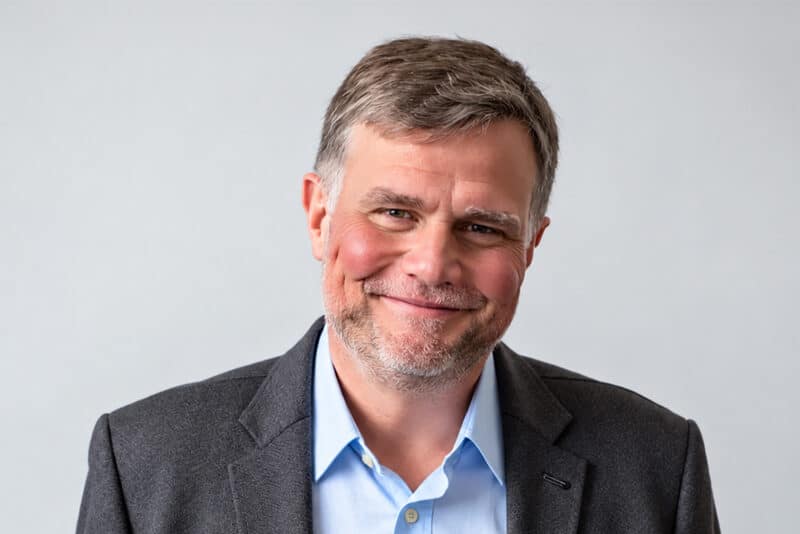
Michael Carmona, impact officer for entrepreneurship at the Ewing Marion Kauffman Foundation, describes a longstanding gap in Kansas City’s entrepreneurial ecosystem around both “language access” and “cultural relevance.”
The foundation helped fund UMKC’s work through its Capacity Building grant pathway. An award to the Curators of the University of Missouri was specifically intended to enhance technology and language access within existing entrepreneurial curriculum to better serve Spanish-speaking entrepreneurs. (The Capacity Building pathway has made 121 awards totaling more than $26 million since launching in fall 2024, according to Carmona.)
What caught Carmona’s attention about the resulting work wasn’t simply Spanish material.
“They also brought in other folks to help with the delivery of that program,” he said, pointing to Latina entrepreneurs and others who helped facilitate and support participants. “Again, there’s the language component, which makes a lot of sense. Let’s translate this really great program into another language. But I think why the program looks to be successful right now … is because it has that cultural component too.”
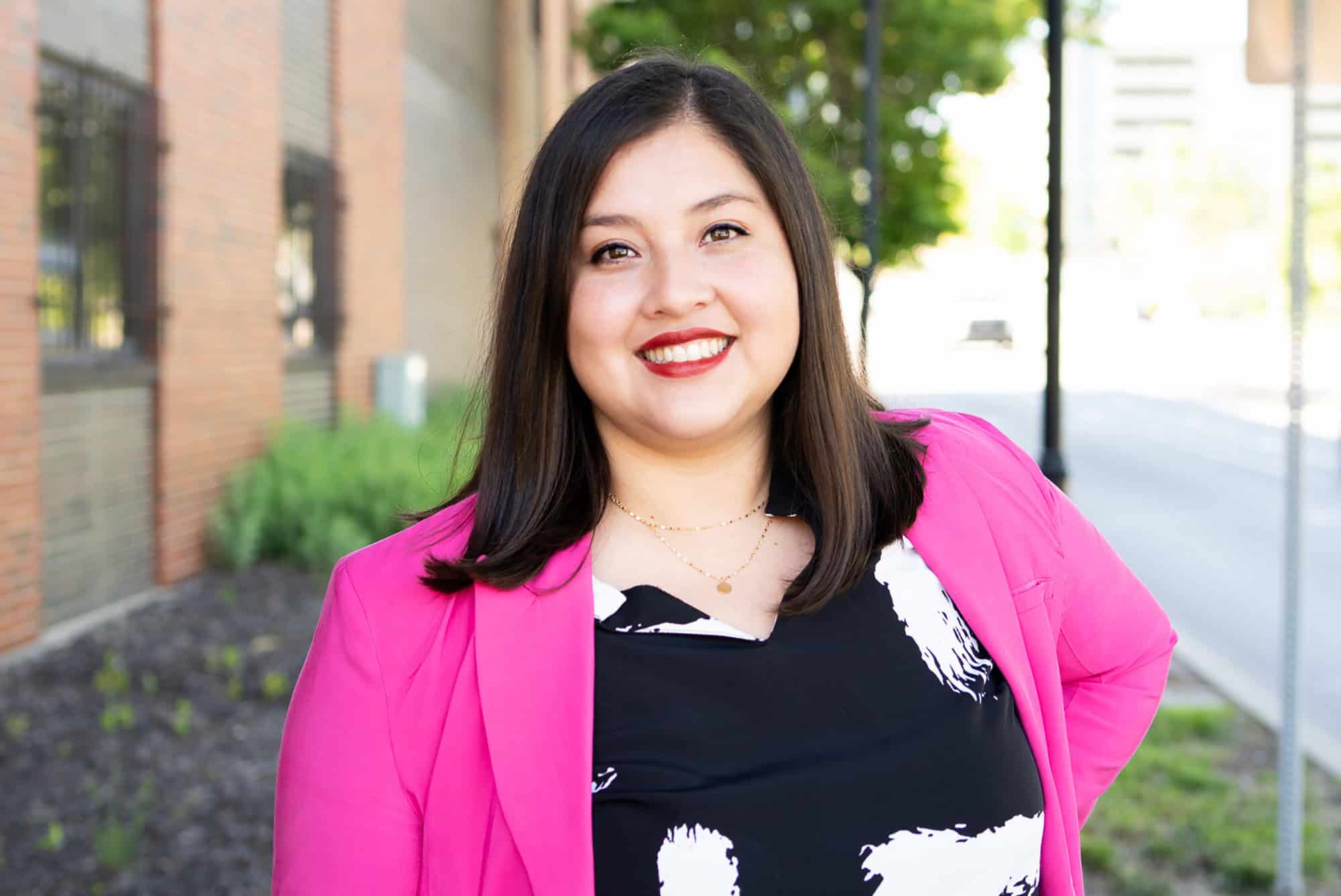
Paola Zapata, a KCSourceLink community navigator who helped coach the Growth360 cohort; photo courtesy of UMKC Innovation Center
‘Where’s the catch?’
Cultural elements of programming can be surprisingly difficult to quantify.
Sometimes it looks like a classroom conversation about company values.
Paola Zapata, a KCSourceLink community navigator who helped coach the Growth360 cohort, recalls one exercise in which participants discussed the values behind their businesses. She estimates 90 percent brought up family.
“It’s a lot of translating culture-wise as well and the way we do businesses,” Zapata said.
Forni didn’t simply teach in Spanish, Zapata recalled. She repeatedly asked the coaches how they could make lessons more personal, incorporating examples, games and participants’ experiences rather than simply following a book.
For Citlali Valdez Dominguez, also with KCSourceLink and a coach for the cohort, cultural relevance is inseparable from trust.
She and Zapata already worked with some of the entrepreneurs who entered Growth360. Their presence in the classroom mattered precisely because they weren’t strangers.
Valdez Dominguez sees that trust problem elsewhere in her work connecting Hispanic entrepreneurs with Kansas City’s support organizations.
“A lot of the community … they won’t believe that there’s resources that are free for them,” she said. “They always think, ‘Where’s the catch? What do I have to do?’”
What had been missing, she argues, was sometimes a trusted person an entrepreneur could ask: Is this actually for me? Is this really free? Can I really walk through that door?
That’s a considerably more complicated access problem than whether a brochure is available in Spanish.
Forni said outreach for the program depended heavily on personal phone calls, word of mouth and relationships built through organizations already working within the Hispanic community, including the Hispanic Chamber of Commerce of Greater Kansas City, Mid-Continent Public Library and The Toolbox.
And the entrepreneurs showed up.
Three business owners made the roughly 90-minute trip from Manhattan, Kansas, every week without missing a class, according to Forni. That included a 17-year-old who already owns a business, Zapata added.
Valdez Dominguez remembers another participant who entered the program already planning to miss the final two classes for a family vacation.
Then he changed his travel plans.
“He said, ‘But I changed my mind. I told my wife, we couldn’t do this. We had to finish because it was important,’” she recalled.
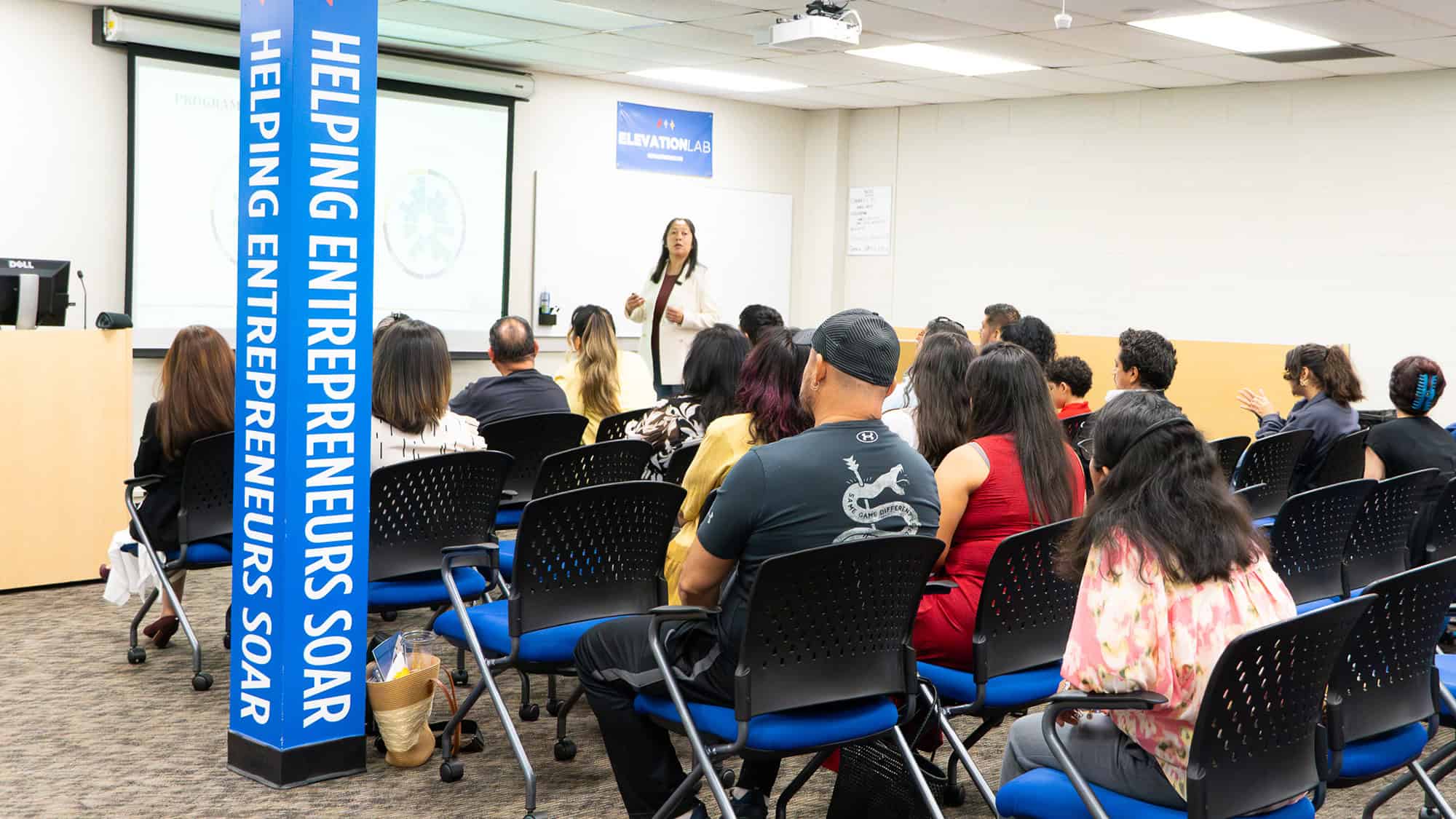
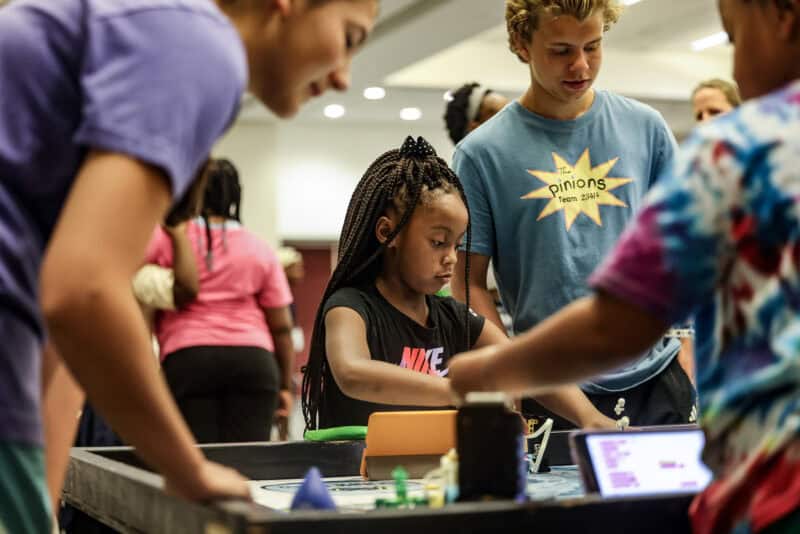
Entrepreneurs listen during a session within the 10-week Growth360 cohort; photo courtesy of Missouri SBDC
From doing the work to running the business
The challenges those entrepreneurs brought into the room weren’t particularly exotic.
They were business problems.
The cohort included entrepreneurs working in construction, cleaning, roofing, food, accounting, photography, interior design, insurance, auto parts and event services, among other industries. Some operated microenterprises; others already managed employees.
But Zapata still noticed a common pain point: Entrepreneurs could be extremely good at doing the work their companies sold while struggling to pull themselves out of that work long enough to manage the company.
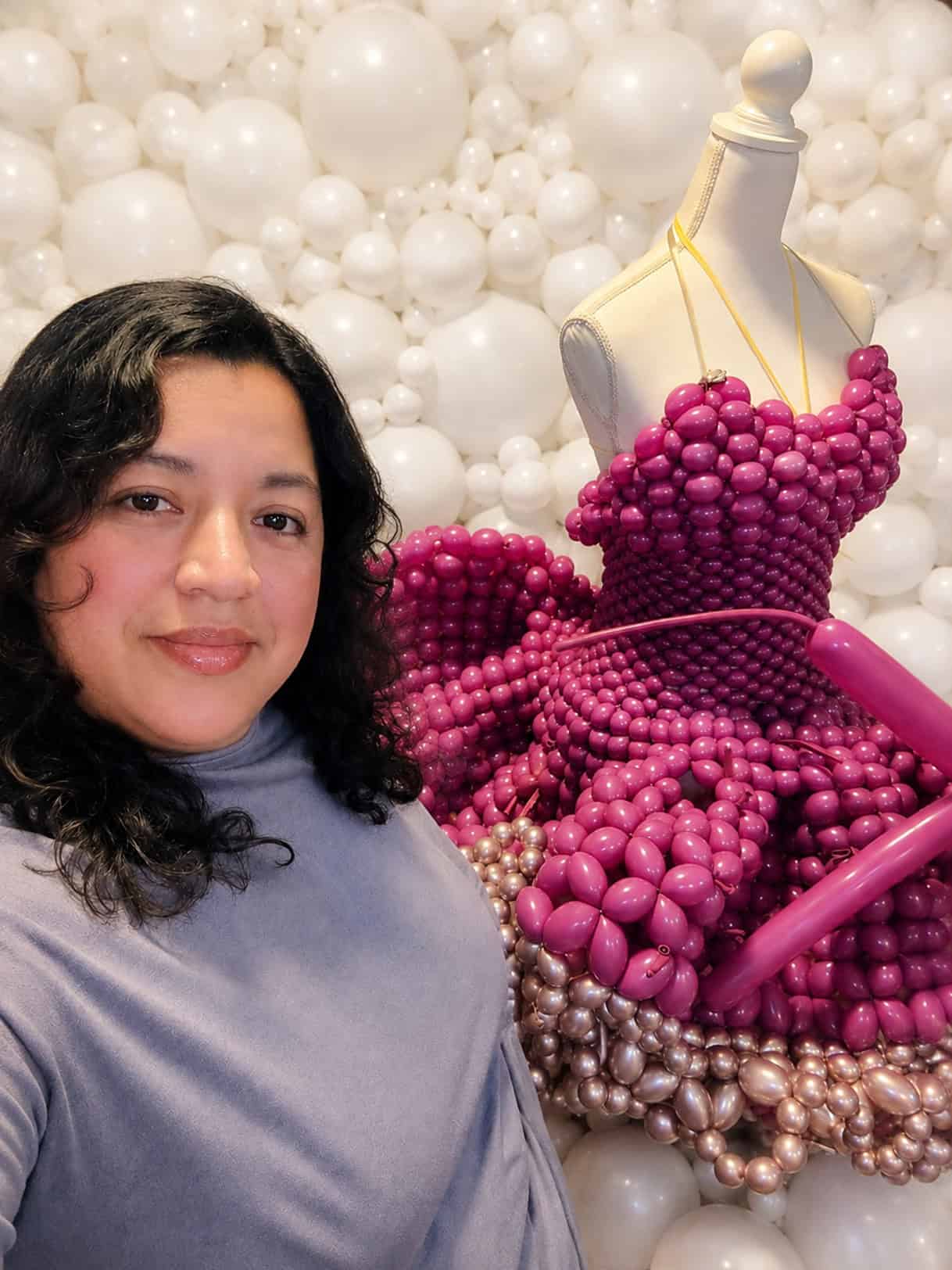
Cristina Barker, Balloon Magic Events, poses with one of her wearable balloon creation; courtesy photo
Barker recognized the problem in herself.
“One of the most important lessons for me was realizing that having talent and running a business are two very different things,” she said. “I knew how to create balloon designs, but I needed to better understand how to manage the business behind those designs.”
Growth360 helped Barker define Balloon Magic’s values, mission and vision, she said, while developing a sales projection and strategy around specific goals. Since completing the program, she has become more intentional about financial organization and identifying gaps that could affect the company’s stability.
The classroom also became something participants didn’t necessarily leave behind when class ended.
Zapata recalled participants bringing snacks to share and creating a WhatsApp group where members still ask questions and help one another.
Barker confirmed the connection has continued.
“Getting to know our classmates and sharing our ideas, challenges, experiences, and even our fears about running our own businesses gave us the opportunity to build friendships and support one another,” she said. “That sense of community has been very meaningful to me because being an entrepreneur can sometimes feel lonely.”
Click here to learn more about the next session for Growth360 — which begins Sept. 18 — presented in English with Spanish coaching as requested.
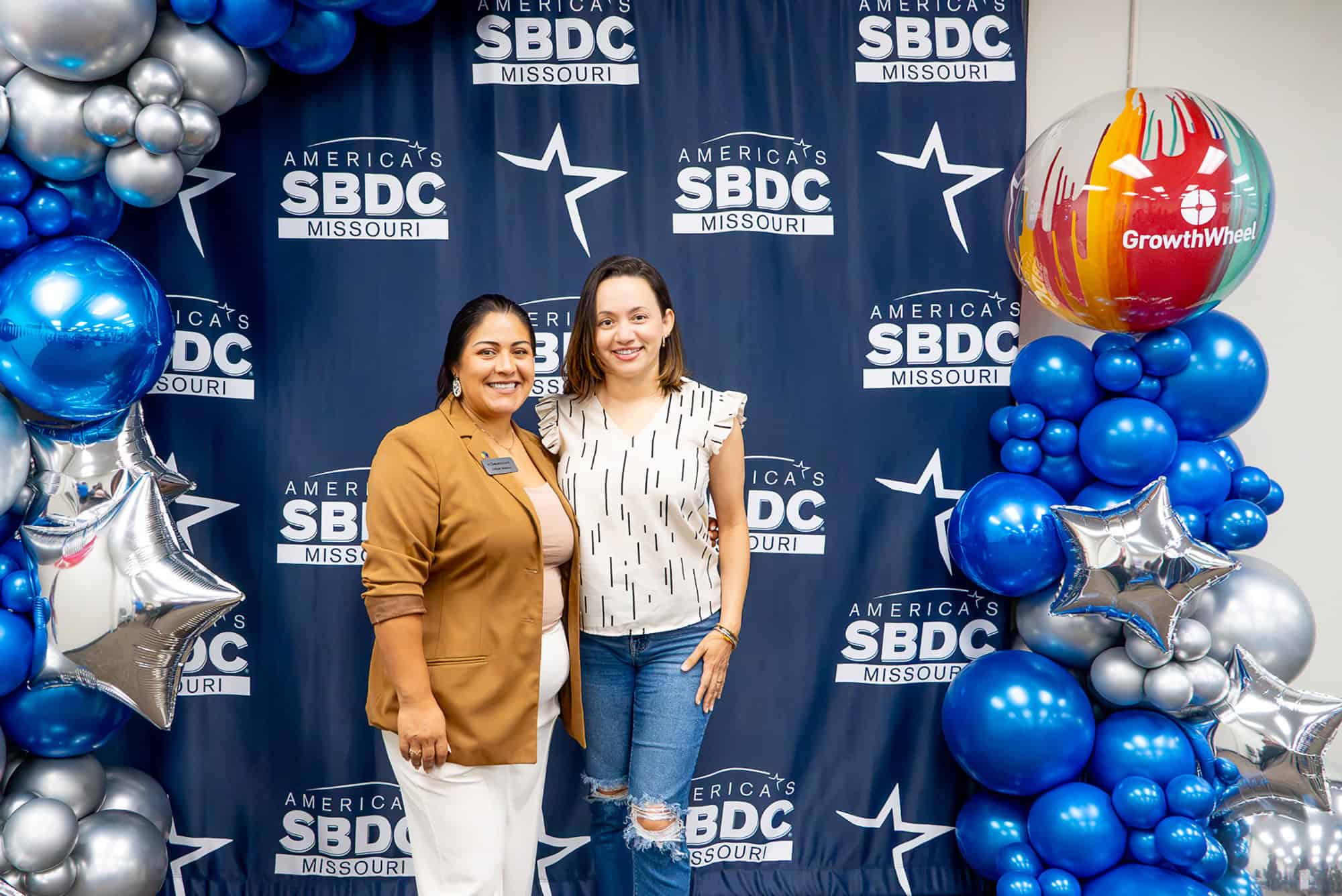
KCSourceLink Network Navigator Citlali Valdez Dominguez and Lupe Maria Guzman pose together at the Growth360 graduation event; photo courtesy of Missouri SBDC
Building something larger than a class
Growth360 is increasingly one piece of a broader Spanish-language entrepreneurial network emerging across Kansas City.
Zapata and Valdez Dominguez point to One Million Cups in Spanish, Spanish-language programming at Global Entrepreneurship Week and expanding Spanish participation in other entrepreneurial events. KCSourceLink’s decision to embed bilingual community navigators into the community helped connect those resources with entrepreneurs who might otherwise never encounter them, they say.
The change is incremental. But it is becoming visible.
One of Zapata’s goals is deceptively simple: Spanish-language programming should never be lower quality simply because it’s offered in another language.
“We really try to have it same, if not more, of what we do,” she said.
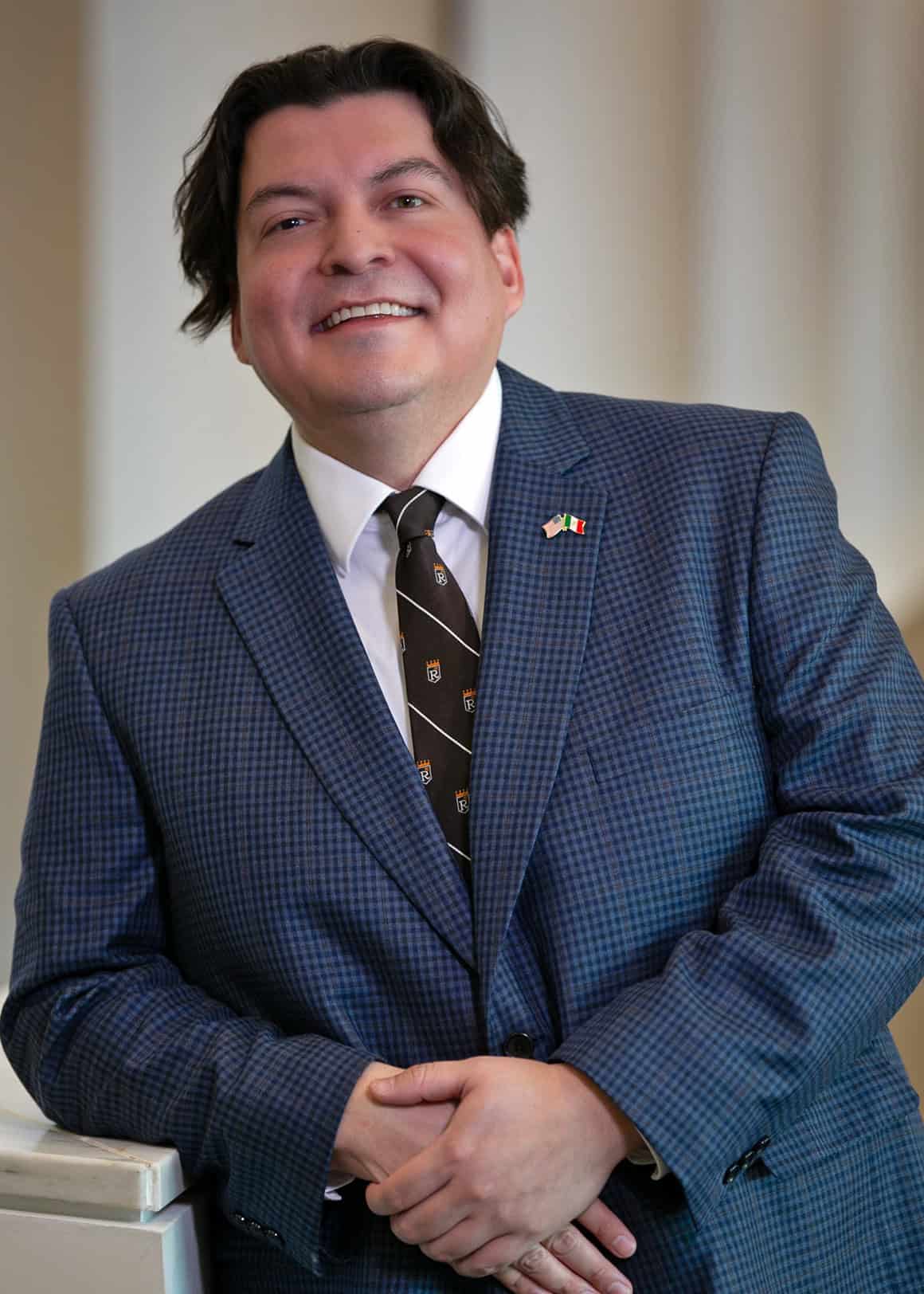
Michael Carmona, impact officer for entrepreneurship at the Ewing Marion Kauffman Foundation; courtesy photo
Carmona sees the Growth360 investment as an example of what “capacity” can mean.
The value of a grant isn’t necessarily that an organization immediately serves dramatically more people, he said. It might instead give an organization resources and capabilities it didn’t have before — in this case, the ability to meaningfully serve entrepreneurs it wasn’t reaching.
“Really, if you look at it, the value is they have more resources available,” Carmona said. “That’s capacity.”
The grant that helped build the Spanish-language work is no longer the endpoint.
Forni hopes the SBDC can offer an all-Spanish Growth360 at least once a year, funding permitting. Graduates also retain access to SBDC one-on-one coaching after the course ends.
And some Spanish-speaking entrepreneurs who have gone through Growth360 are already returning as paid subject-matter experts, teaching other entrepreneurs about AI, communications and financial management.
That begins to turn access into something more durable: Entrepreneurs aren’t simply entering an existing ecosystem. They’re becoming part of the infrastructure that makes it accessible to the next person.
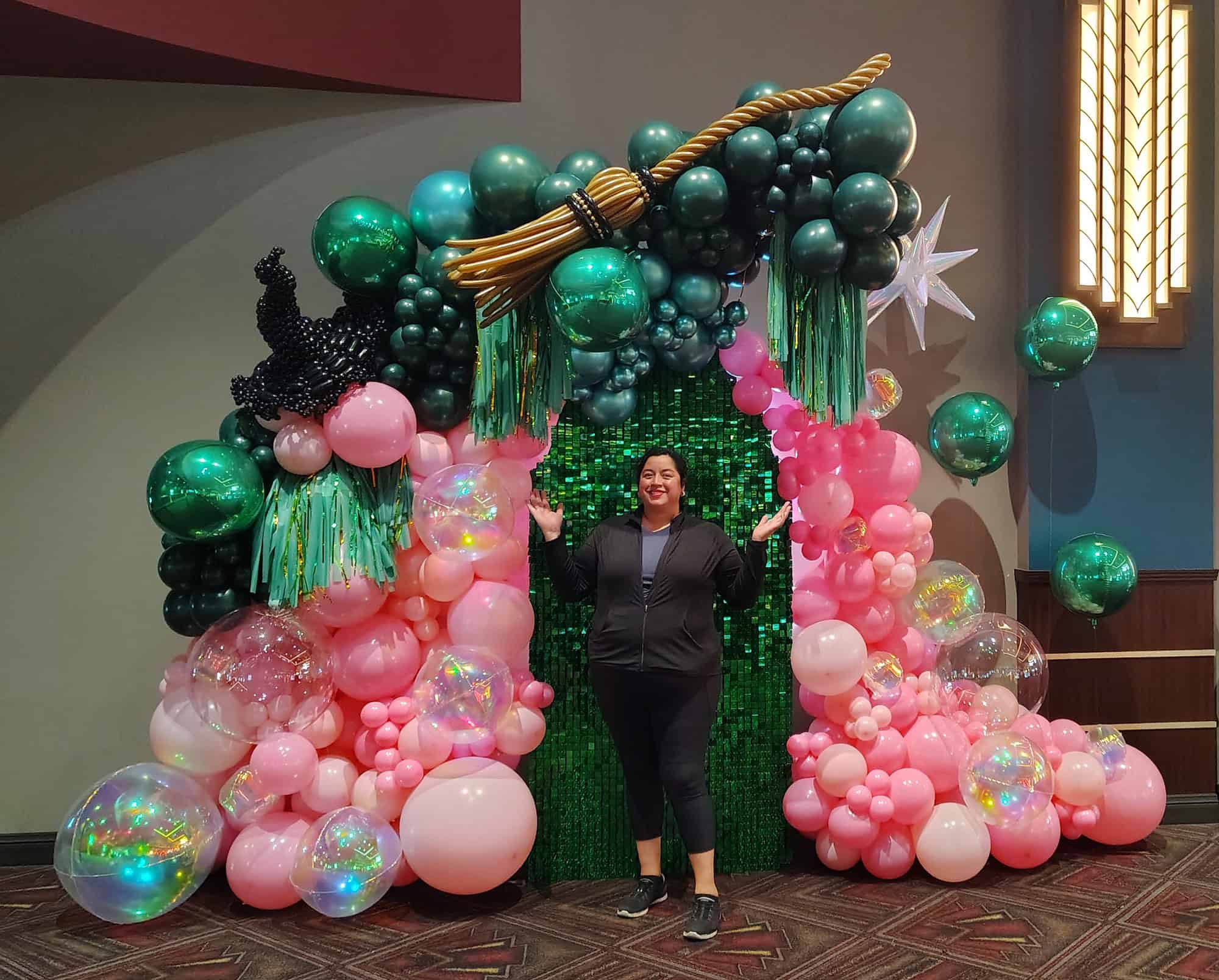
Cristina Barker, Balloon Magic Events, stands with a Wicked-themed balloon display; courtesy photo
Barker sees plenty of work remaining.
“There are many programs and opportunities available, but sometimes language can become a barrier,” she said. “It is not just about translating information. Spanish-speaking entrepreneurs need spaces where they feel comfortable asking questions, sharing their concerns, and connecting with mentors who understand their journey.”
For Balloon Magic, meanwhile, Barker is back to the work of building.
She wants the company to become a recognized and trusted Kansas City balloon artistry business — creative enough to make celebrations memorable, but structured well enough to endure.
“Growth360 has helped me see that growth is possible,” Barker said, “when you have the right knowledge, structure, and support behind your vision.”
Fund More Stories
This story was made possible by readers like you. Join them — make a one-time contribution or become a monthly member to sustain our work.