Private funds’ road to high-speed liquidity runs through KC; a new Nasdaq partnership sweetens the deal
August 26, 2026 | Taylor Wilmore
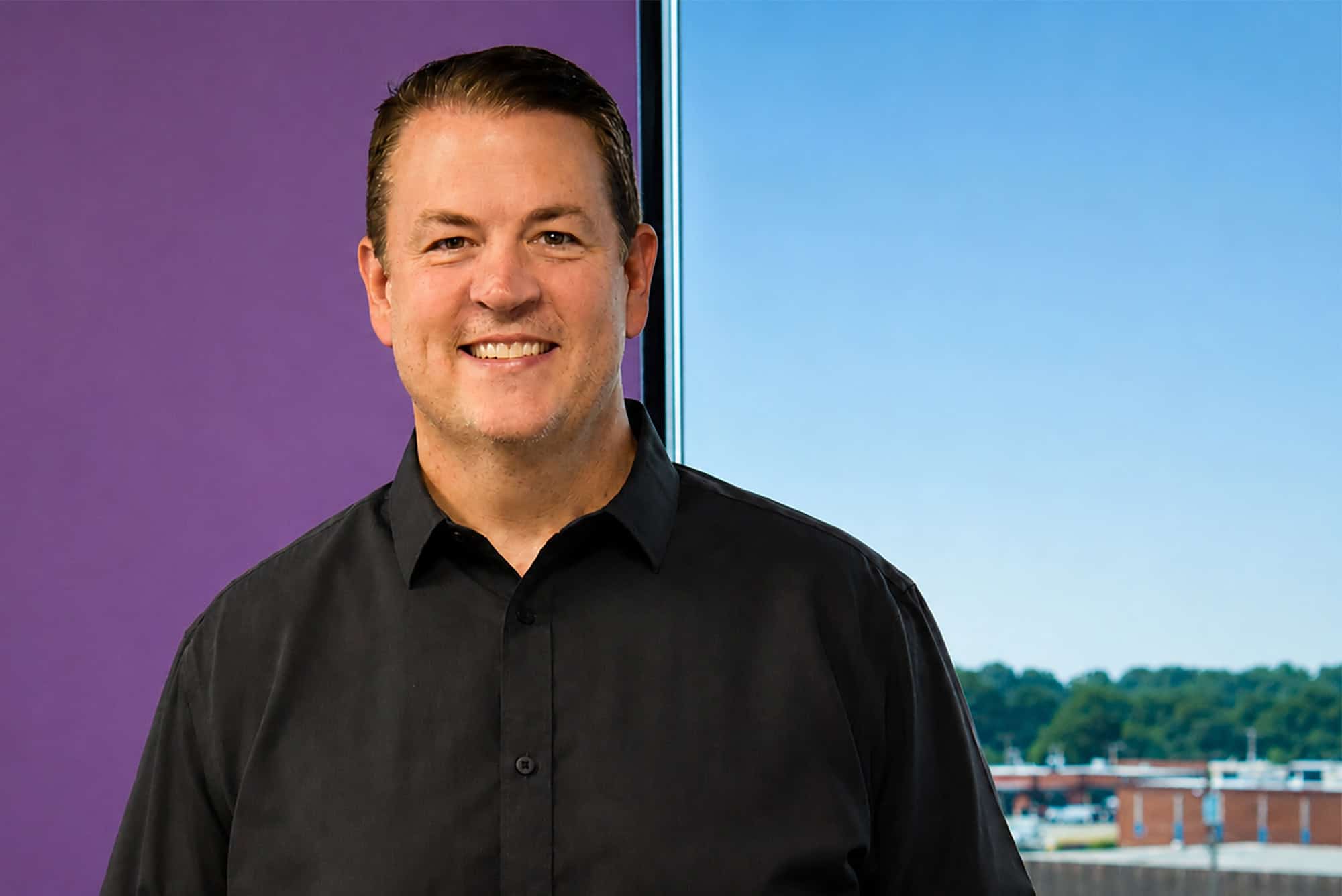
Brian King at LODAS Markets' Overland Park headquarters; photo by Taylor Wilmore, Startland News
Brian King is building what many in finance have long struggled to figure out: a real way to sell alternative investments. And with a just-announced Nasdaq partnership, he’s leveraging infrastructure at scale to deliver even more options for investors.
“We’re creating a secondary market to give people the opportunity to sell securities that historically they haven’t been able to sell,” King said, revealing the value of his company — LODAS Markets — alongside collaborators at Nasdaq Fund Secondaries and Harrison Street Asset Management.
The founder isn’t new to disruption, tracing his experience from early days at BATS Global Markets and time at the New York Stock Exchange. King’s current venture targets a deeper gap in finance, one that has become more urgent as private markets continue to grow.
LODAS Markets lives in that gap — a place where access to alternative assets has expanded, but liquidity has not, leaving many investors without a clear way to exit.
“‘What do they need?’ They need secondary liquidity, and that’s where we come in,” said King.
The partnership with Nasdaq and HSAM creates a scalable foundation that may be leveraged for alternative liquidity options across a broad range of interval funds and other semi-liquid investment vehicles, he explained.
Click here to learn more about the strategic liquidity collaboration.
The partnership creates a pathway for a periodic auction process that is designed to provide investors with greater liquidity flexibility and complement existing fund structures.
LODAS’ role in the process would be to act as broker for transactions and provide the technology for trading, clearing and settlement, as well as access to its investor network.
“This collaboration brings together the trust, technology and market expertise required to establish a credible auction environment for interval fund investors,” said Patrick Adrian, vice president of Nasdaq Fund Secondaries. “By creating a transparent and purpose-built venue, we aim to give investors and advisors greater flexibility while supporting the continued evolution of the semi-liquid fund ecosystem.”
BATS to LODAS
Now backed by Cantor Fitzgerald, CAIS Group, KCRise Fund, Gary Fish, Firebrand Ventures, LODAS Markets was named one of Startland News’ Kansas City Startups to Watch in 2026.
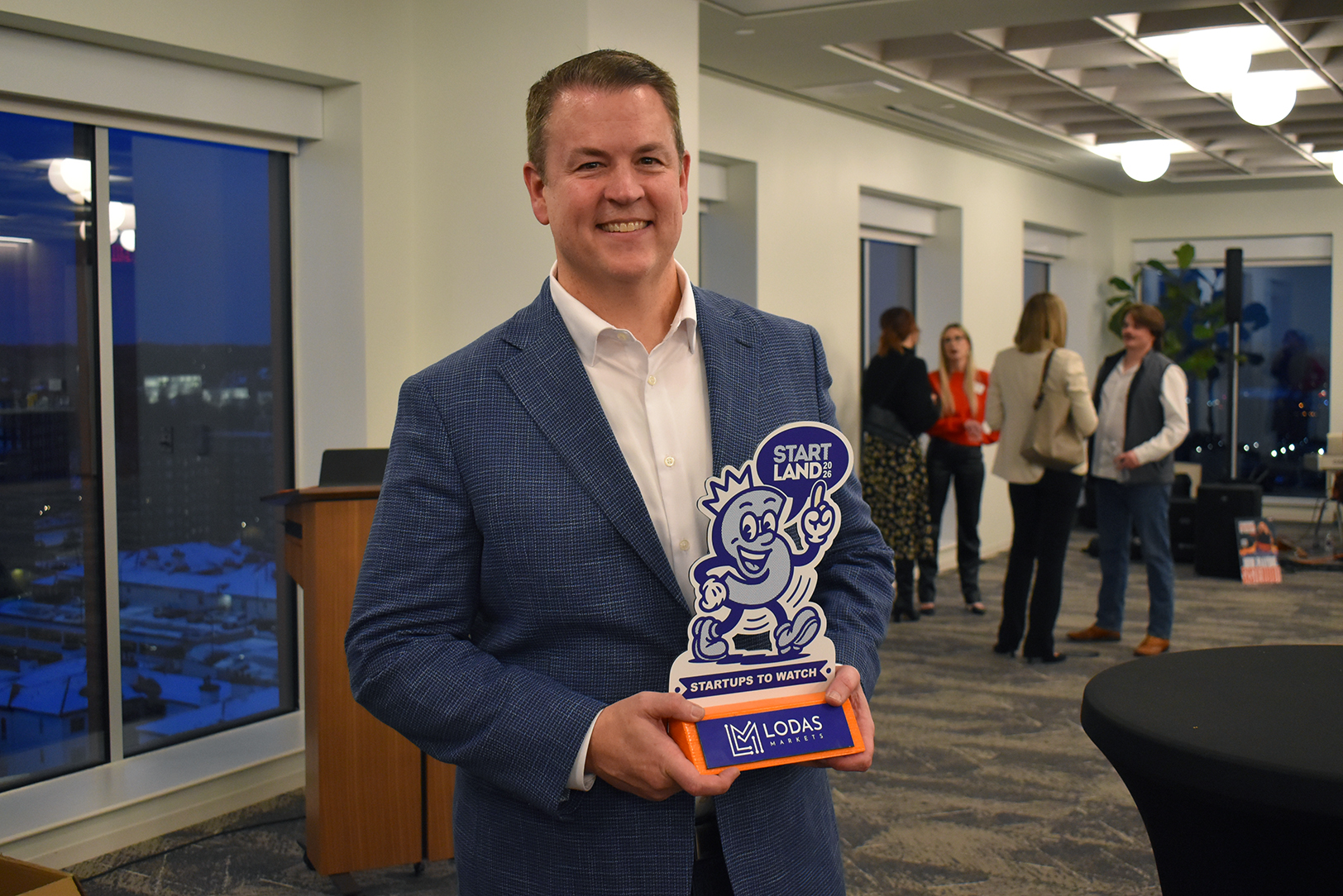
Brian King, founder of LODAS Markets, accepts his company’s Startups to Watch in 2026 designation during a January 2026 Startland News reception at Husch Blackwell’s offices on the Country Club Plaza; photo by Tommy Felts, Startland News
King’s approach to building the company draws from his time at BATS Global Markets, founded in 2005 in Lenexa, Kansas. The company was acquired in 2017 by Cboe Global Markets, where King was part of a team that challenged the dominance of major exchanges.
“It was an amazing experience to be a part of something as big as what BATS was early on,” said King.
At the time, markets were largely controlled by what King describes as a “duopoly.”
“You had the New York Stock Exchange and NASDAQ, two main parties that are driving the pricing, the economics, the technology, everything,” said King.
BATS entered with a pricing and technology advantage, helped in part by its Midwest roots.
“Being based in the Midwest was easier to be advantageous on pricing because we didn’t have the same level of overhead,” said King.
That experience with BATS continues to shape how he builds teams and culture today.
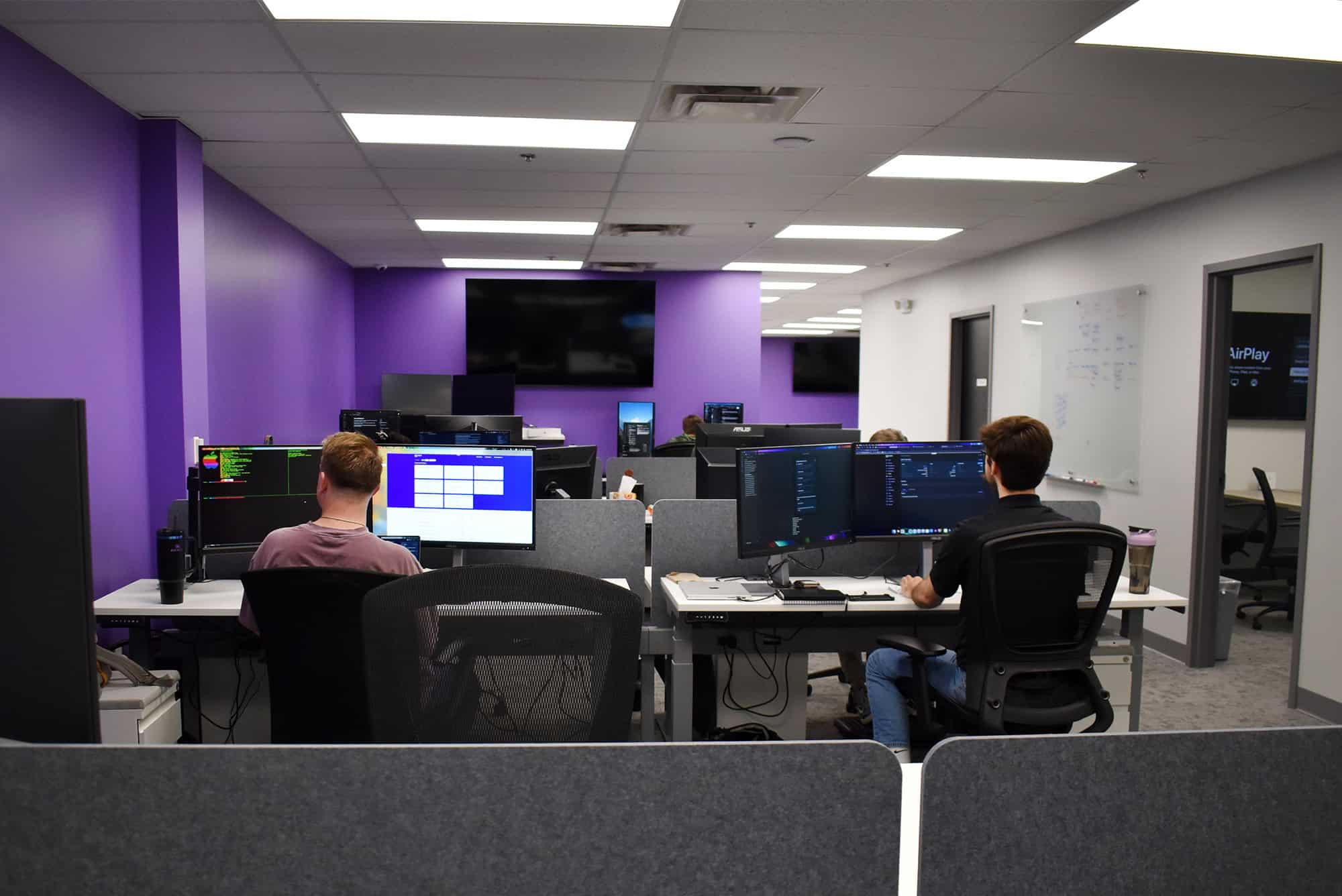

“The first thing that I wanted to mimic was how we built culture,” King said from his startup’s new Overland Park headquarters. “We have an open floor plan, everybody shares in learning all together simultaneously.”
While BATS improved how an existing market worked, LODAS is building something new, creating the systems needed for a market that hasn’t fully existed before.
Building the system behind the trade
In public markets, systems already exist to handle what happens after a trade is executed, including transferring ownership and moving funds between parties. That level of infrastructure has not been widely available in alternative investments.
“Clearing and settling is basically just the thought that you can match buyer and seller, but then how do you actually transfer the ownership? How do you actually transfer the cash?” said King.
In alternative investments, that process is often slower and more manual, sometimes taking weeks to complete or relying on outdated systems.
To solve that, LODAS built both a marketplace where investors can find buyers and sellers, and a transfer agent business that keeps track of who owns what and handles the movement of money.
“We actually are operating two startups now, this is the infrastructure and this is the trading,” said King, noting that when LODAS is the transfer agent — the critical mechanism between funds and investors which manages investor records and transactions — trades can settle as soon as the same day, instead of taking weeks.
Retail or individual investors are more likely to need LODAS than institutional investors because individuals encounter circumstances in life necessitating liquidity faster and more often than many institutions, said Darcy Howe, founding managing director of KCRise Fund, one of King’s early backers.
“So fund sponsors — or the firms like LODAS customer Cantor Fitzgerald, who sell to individuals — are particularly interested to know LODAS,” she said, emphasizing that such fund sponsors are seeking modern, tech-driven, solutions for transfer agent services — specifically those wherein fewer humans touch each private security.
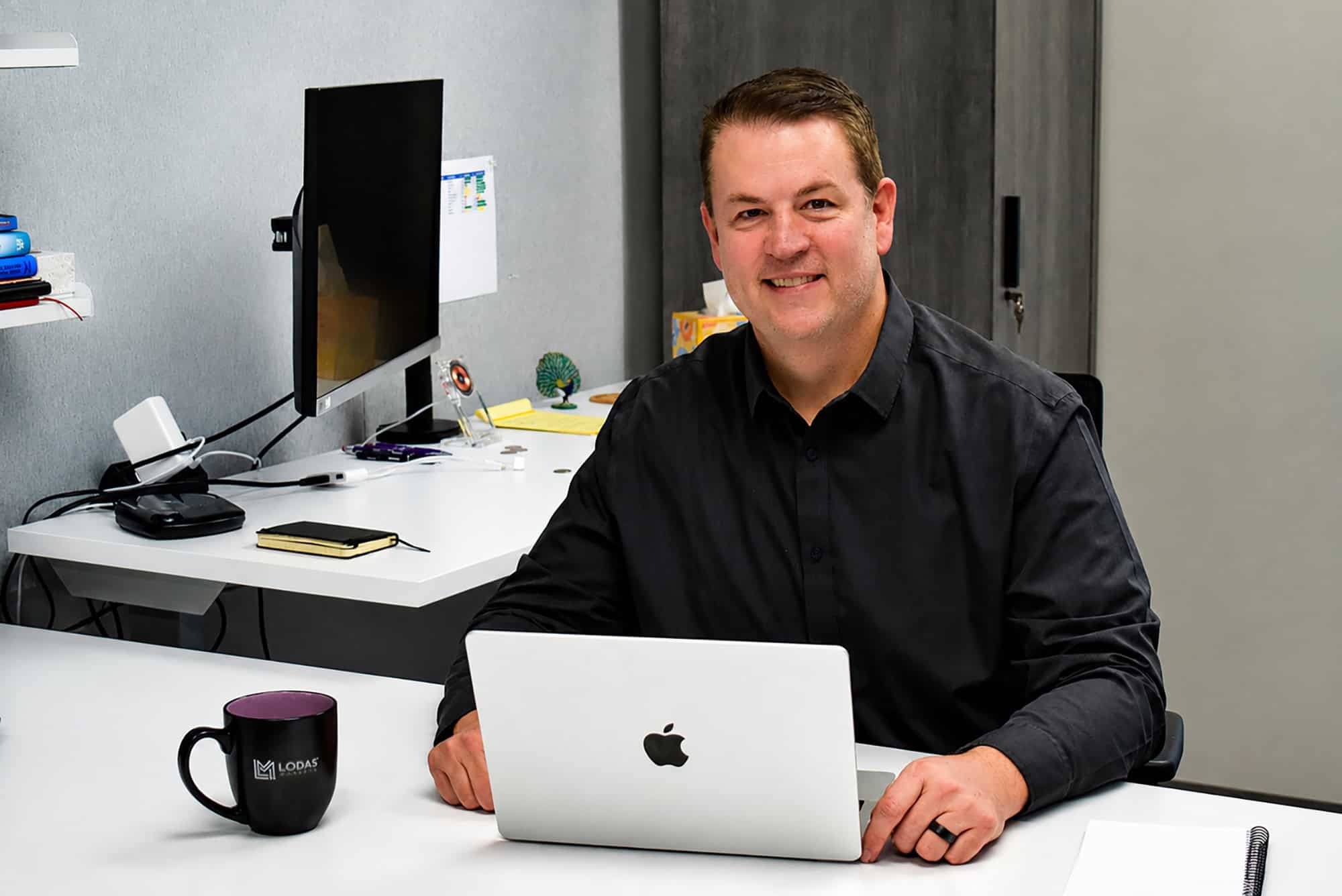
Brian King at LODAS Markets’ Overland Park headquarters; photo by Taylor Wilmore, Startland News
When investors want out
The challenge LODAS is addressing becomes most visible when investors try to sell. Many alternative investment funds allow only limited withdrawals at certain times. If too many investors want to exit at once, not everyone can.
“They’re substantially oversubscribed, some people are asking for the money, and they’re not getting it, and it’s causing a major pressure point in the industry,” said King.
That dynamic has become more common as more individual investors enter the space and as market uncertainty leads some to pull back.
As a result, companies that manage these funds are looking for new ways to give investors more flexibility.
“We have sponsors coming directly to us saying, ‘Hey, we have a problem. We need you to be our solution,’” said King.
Added transparency through LODAS also helps sellers avoid “vulture funds” looking to exploit the need for urgency, which frequently could otherwise lead to an offering of less than 50 percent of what the security might be worth, Howe noted.
“LODAS helps sellers find more buyers and get a fairer price for the investment they want to sell, should they ever choose to sell a private fund early,” she said.
Build mode to go time
After several years focused on building its platform and infrastructure, LODAS is now shifting toward growth.
“We’ve built so much over the last several years, now it’s time to say, ‘OK, let’s go execute on all of it,’” said King.
That includes bringing more investment funds onto the platform, expanding partnerships with financial firms and making it easier for investors and advisors to use the system.
At a broader level, the goal is to make alternative investments work more like public markets, where buying and selling is more straightforward and accessible.
“Our hope as a company is to be able to change how people own an alternative investment, and change how the industry works,” he added. “Our vision is much bigger than just generating revenue. It’s being able to actually mature an industry to 21st Century technology.”
Fund More Stories
This story was made possible by readers like you. Join them — make a one-time contribution or become a monthly member to sustain our work.