How a car crash after football practice flipped this top recruit from student athlete to founder
August 5, 2026 | Taylor Wilmore
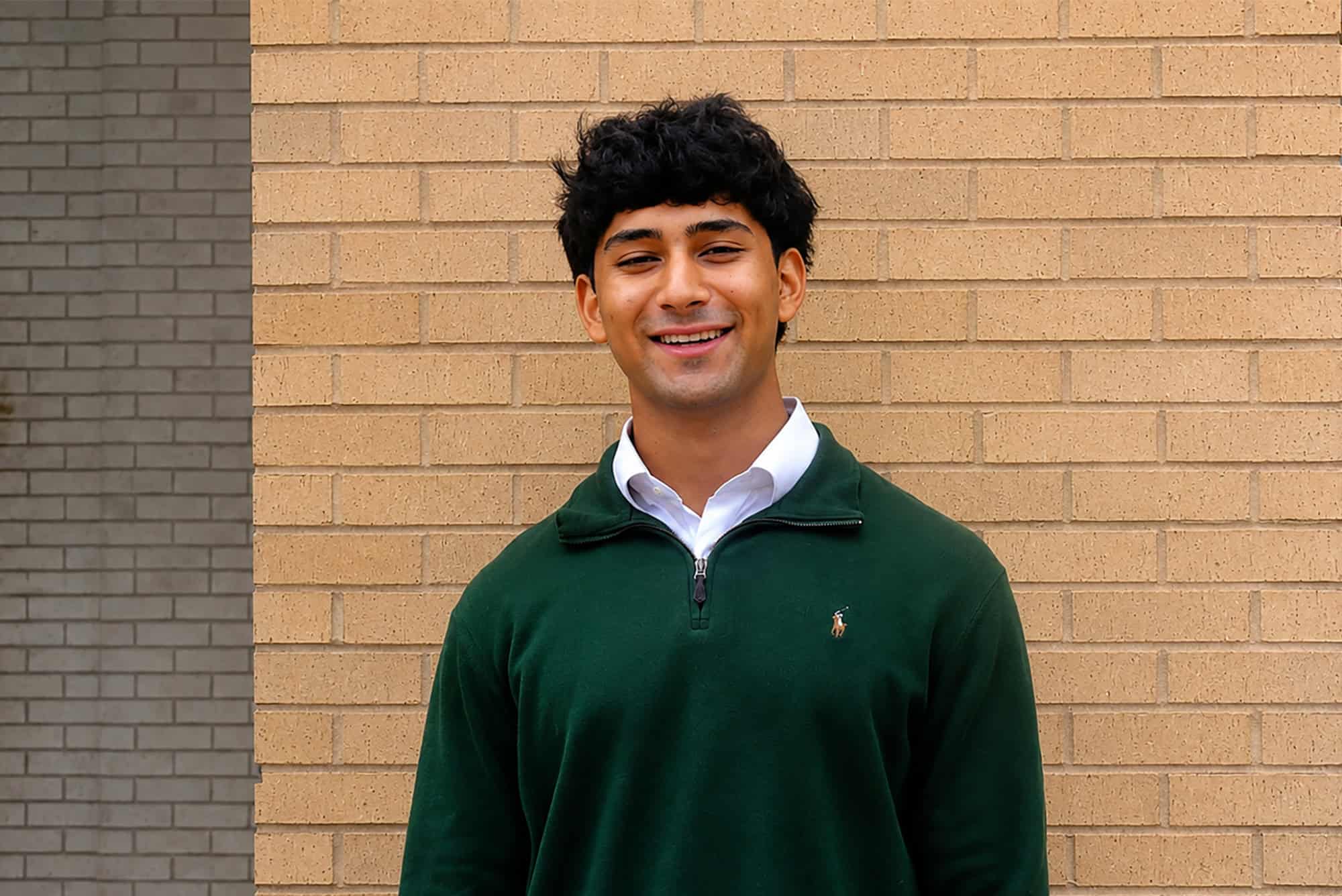
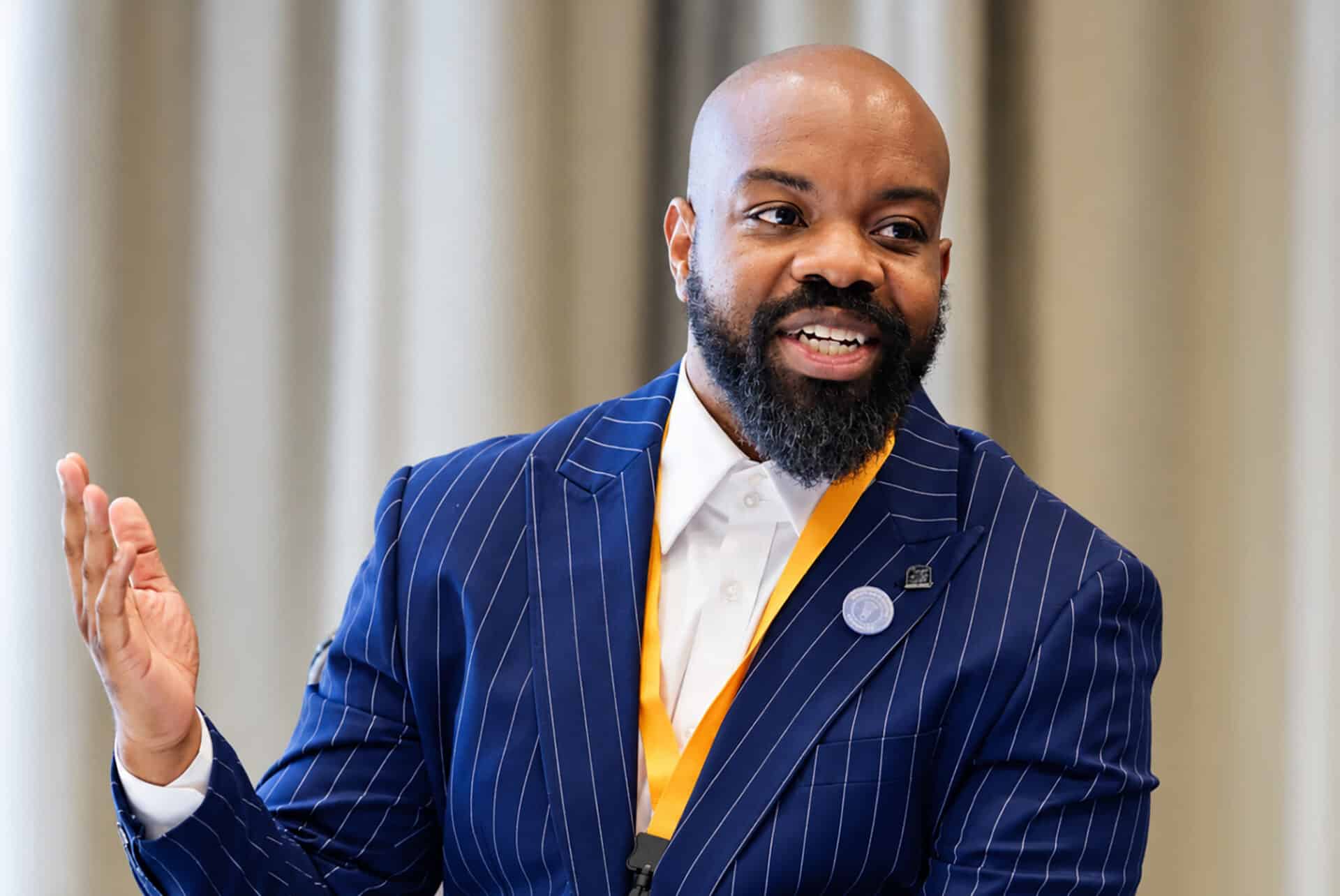
Zaydan Ahmed, AcuSera; photo by Taylor Wilmore, Startland News
Zaydan Ahmed can trace the beginning of AcuSera — his Kansas City-built startup developing a wristband that detects stress in real time and responds with vibration therapy — to one terrifying drive home from football practice.
 The then-junior at Pembroke Hill School had spent the day balancing classes and athletics when suddenly everything went black. When Ahmed regained consciousness, his car was out of control.
“I ended up flipping my car four times and nearly lost my life,” he said. “That was the turning point where I realized this was really something serious.”
Doctors later diagnosed Ahmed with epilepsy, revealing that an absence seizure had likely caused the crash. Looking back, he realized he’d been experiencing brief seizures for years without knowing what they were.
Realizing that stress was one of the most common seizure triggers changed the way Ahmed approached everyday life, he said.
That experience — and the need to manage his stress — formed the foundation of AcuSera. Ahmed designed the wearable to help users recognize rising stress and respond to it in the moment, whether they’re in a classroom, at work or anywhere they can’t simply stop what they’re doing.
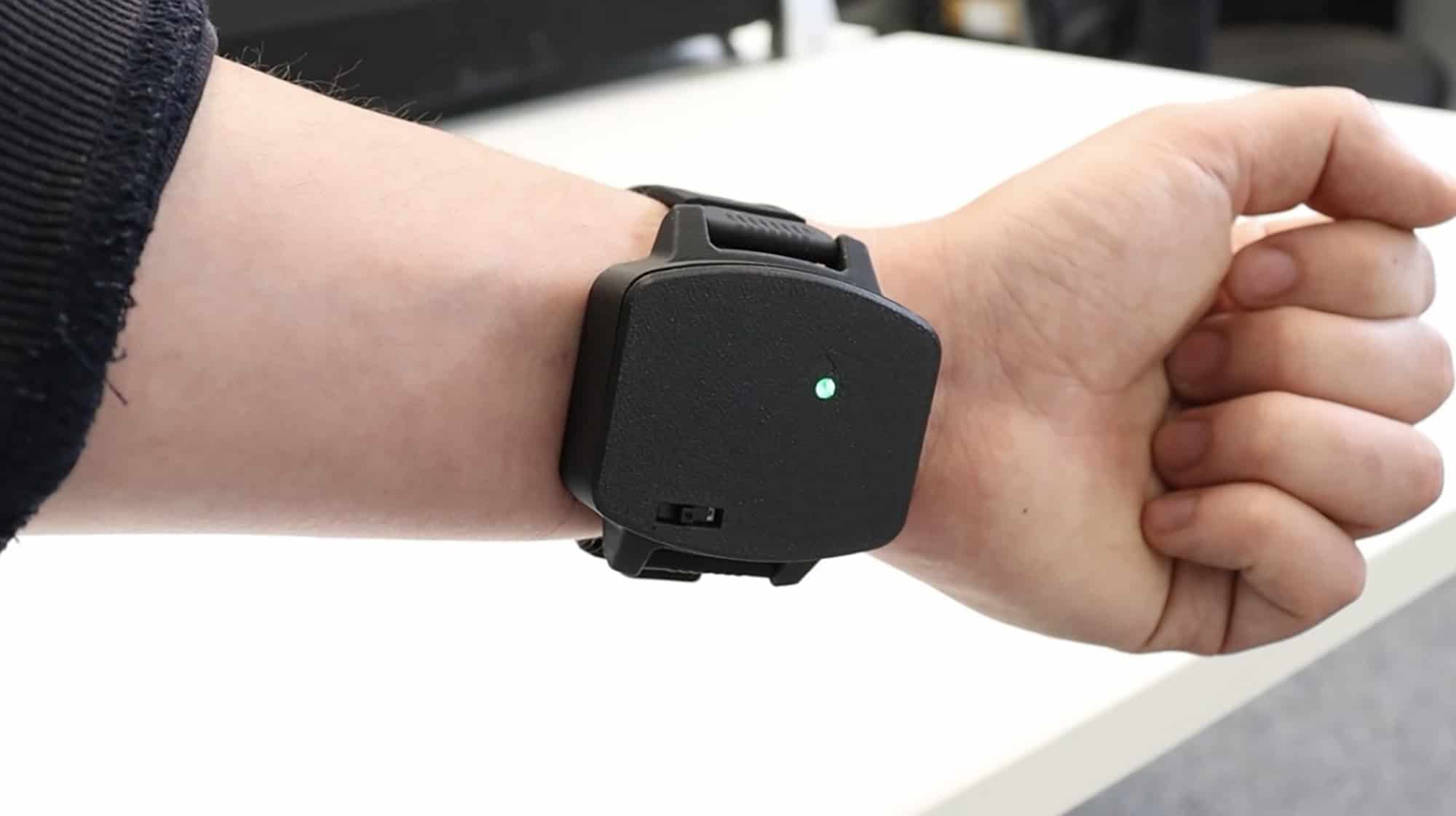
AcuSera’s wearable stress-monitoring device; courtesy photo
Turning experience into innovation
The concept behind the tech was years in the making, though Ahmed didn’t realize it at the time. As a child, he found relief from anxiety by using acupressure on the P6 point in his wrist. Shortly after the crash, while attending an entrepreneurship program in Berlin, Ahmed was challenged to identify a problem worth solving.
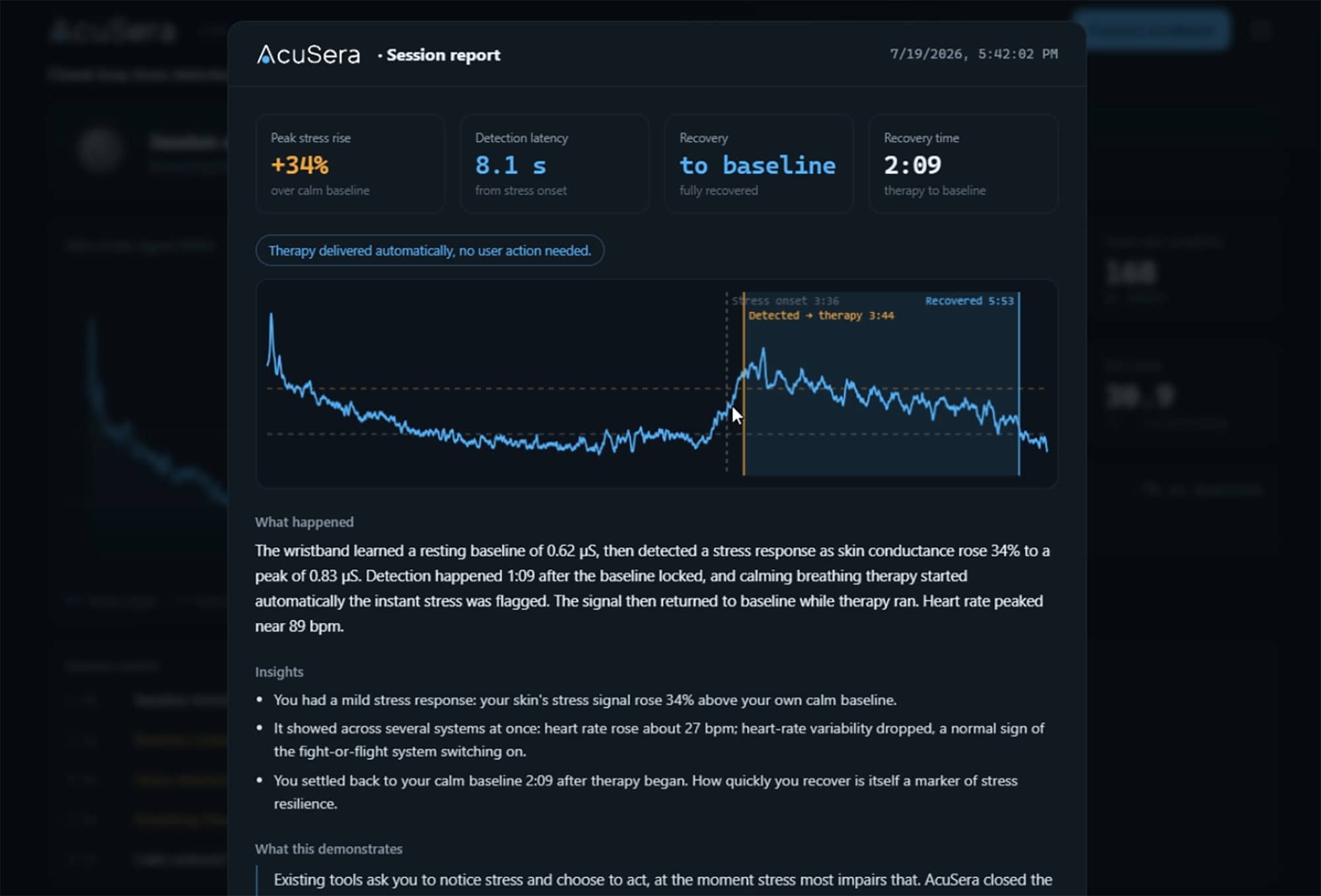
A stress readout with insights from AcuSera’s dashboard; courtesy image
That’s when his childhood experience with acupressure and his recent epilepsy diagnosis came together.
“It was kind of a big epiphany,” Ahmed said.
He began designing a wristband that detects rising stress levels and responds with vibration therapy on the same pressure point. Ahmed sees the technology supporting people living with epilepsy, PTSD, anxiety and migraines before eventually expanding into broader wellness applications.
Building the device meant learning an entirely new skill set.
Just months earlier, Ahmed had never written a line of code or built electronics. He started ordering components, experimenting and teaching himself one skill at a time until the first prototype came together.
“I just said, ‘OK, let me get started,'” Ahmed said. “With AI, you can teach yourself so much.”
The learning curve extended beyond the technical side. Ahmed also had to get comfortable with rejection. His father challenged him to keep a running list of every rejection, turning each accelerator application, funding opportunity and pitch into another opportunity to learn.
“It kind of became a game,” said Ahmed.
Choosing the startup route
Ahmed once expected football to shape his next chapter. After being recruited by several nationally recognized universities, he decided to take a gap year after graduating from Pembroke to focus on AcuSera full time.
“You don’t have to have everything figured out,” said Ahmed. “You don’t have to follow the path everyone else seems to.”
The decision allowed him to move the company forward. Ahmed advanced AcuSera’s patent work, refined its stress-detection algorithm, secured letters of intent from local medical practices, expanded its waitlist, added a technical collaborator and began preparing for a pilot clinical study with the University of Kansas.
“I don’t think I could have sustained this growth if I was in college this year,” he said.
Building momentum
As AcuSera continued to develop, Ahmed found guidance through several Network Kansas programs, including the Accessing Growth Capital Series, Capital Fluency and Deal Ready. Each helped him tackle a different stage of building the company, from refining his pitch to preparing for fundraising.
“The support I’ve received as an entrepreneur in Kansas City has been incredible,” said Ahmed.
The Accessing Growth Capital Series connected Ahmed with other founders while helping him sharpen his pitch and identify gaps in his business knowledge. Capital Fluency reshaped how he approaches fundraising, teaching him to build relationships with investors long before raising capital. Deal Ready strengthened his understanding of investment structures and how to prepare the company for funding.
Just as important, Ahmed said, were the relationships he built with fellow founders.
“It really does feel like a community,” he said.
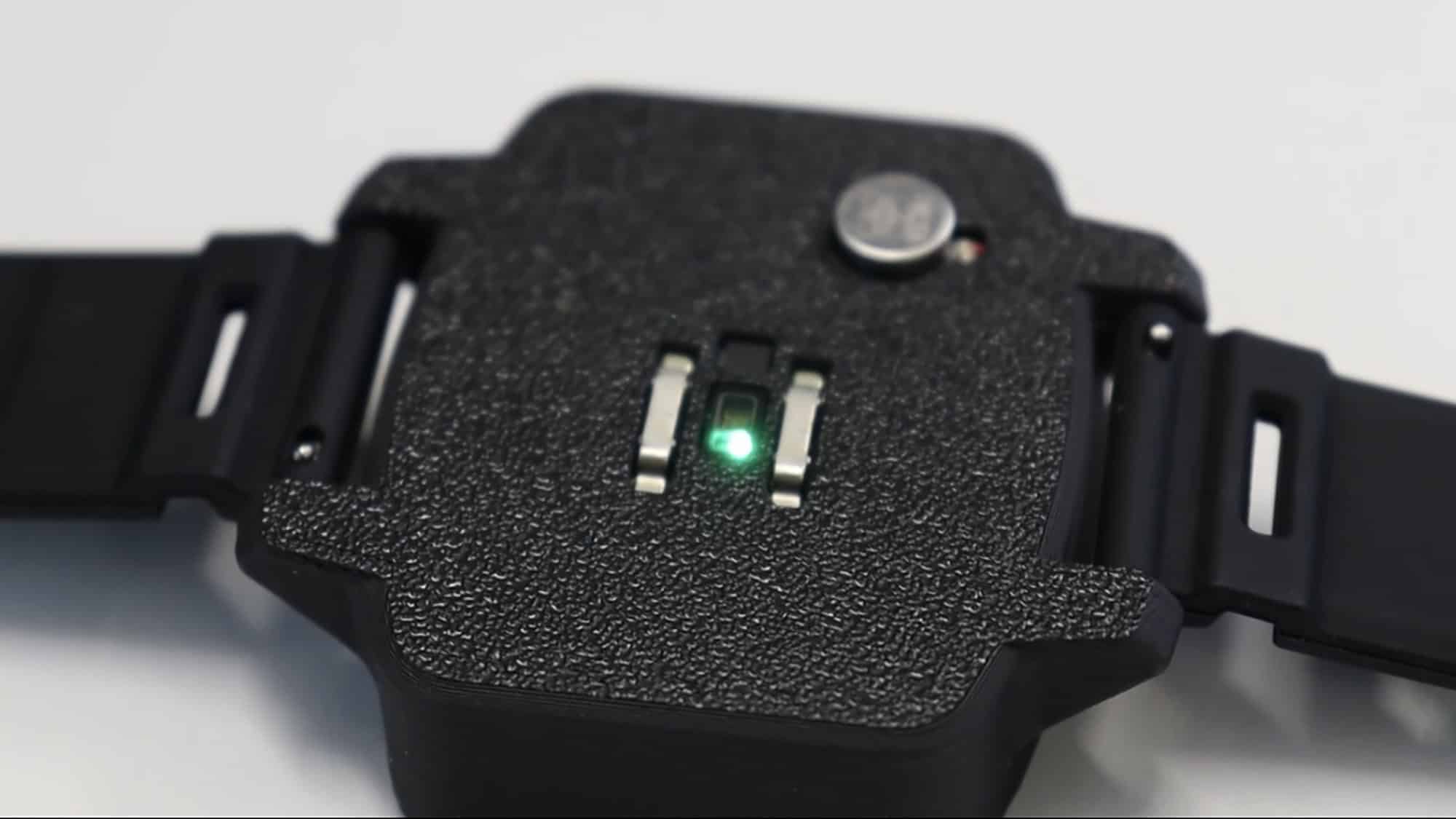
AcuSera’s wearable stress-monitoring device; courtesy photo
The next step
Clinical testing is AcuSera’s next major milestone. Ahmed is preparing for a pilot study with the University of Kansas that will evaluate how accurately the wristband detects stress while gathering early feedback from participants. The findings will help inform the company’s next phase of development.
The work follows months of refining the device, advancing its patent portfolio, securing letters of intent and continuing conversations with healthcare partners and prospective investors.
“If I’m going to go through something that traumatic, something good should come out of it,” he said.
Fund More Stories
This story was made possible by readers like you. Join them — make a one-time contribution or become a monthly member to sustain our work.