Local grocers integrating AI into shopping experience as small businesses fill carts with tech
July 23, 2026 | Becky Brown
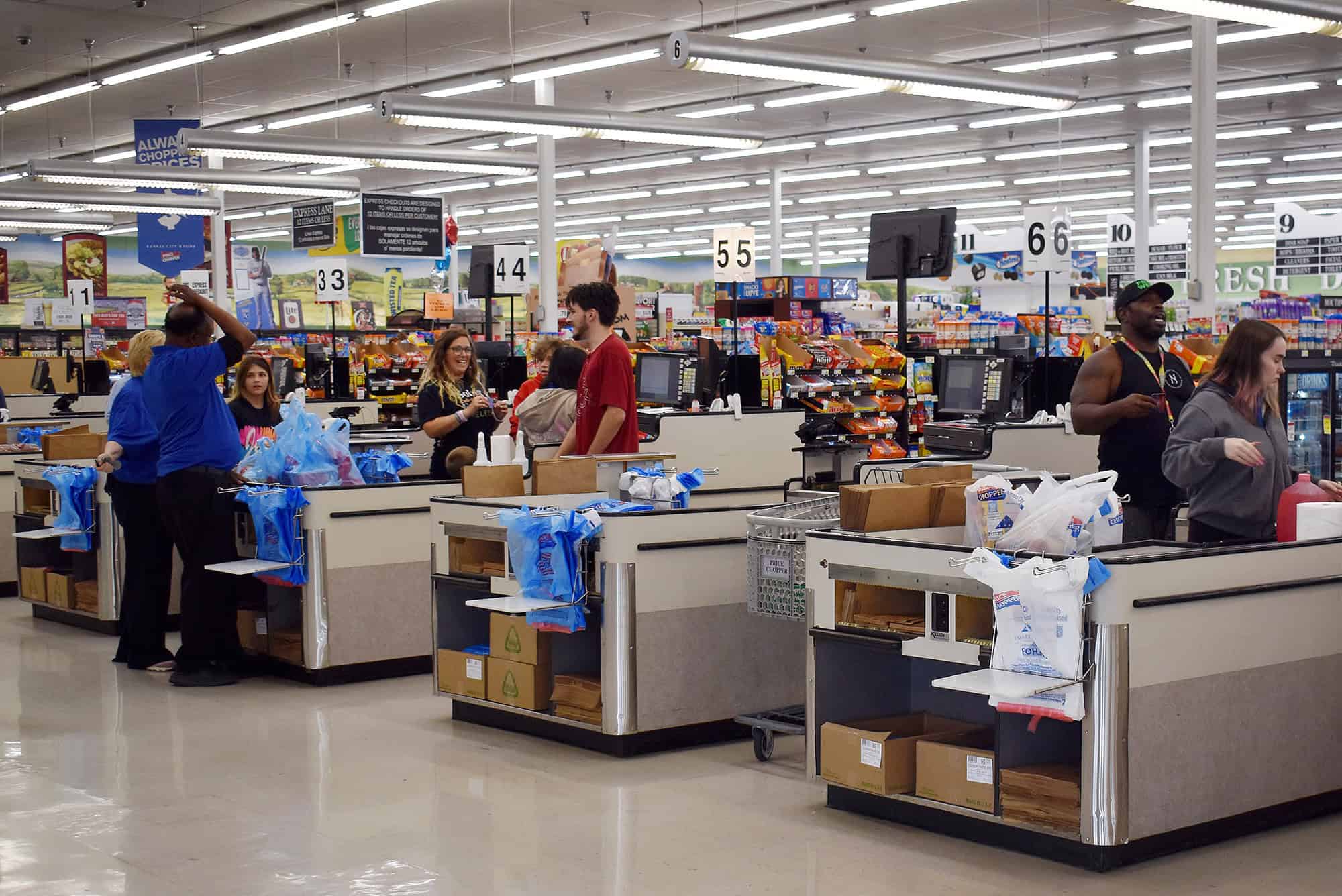
Inside Cosentino's Price Chopper at 5800 Wilson Ave in Kansas City. Stores within the Price Chopper group are implementing Breez AI in the coming weeks, the startup's founder Tal Zlotnitsky said; photo by Taylor Wilmore, Startland News
A group of Kansas City-area grocers are teaming with an artificial intelligence startup in hopes of making customers’ dollars go farther, Tal Zlotnitsky said, along with harnessing cutting-edge technology to help the businesses themselves stay competitive.
“AI is changing how consumers shop,” said Zlotnitsky, founder and CEO of Tampa-based Breez AI. “Independent grocers individually do not have the ability to do what the national chains and large marketplaces are doing, which is build consumer-facing AI that’s making it easy and fun for consumers to shop.”
In Kansas City, Balls Food Stores, Price Chopper Enterprises and Brothers Market are joining Harps Food Stores among the grocers implementing Breez AI’s AI shopping platform, Zlotnitsky told Startland News.
And they’re not Breez AI’s only ties to the Kansas City metro: Associated Wholesale Grocers (AWG) is the company’s largest investor. David Smith, former CEO of AWG, is the chairman of the board for Breez AI.
Partnerships between independent grocers and Breez AI aim to strengthen customer relationships and improve revenue, Zlotnitsky said, noting the grocery industry is seeing the greatest growth in AI intermediation.
As large chains deploy the technology, smaller grocers may struggle to keep up — or wonder if they should move toward AI at all, he said.
“If independent grocers are not in the game, they’re going to really struggle in the new era of grocery that’s upon us,” Zlotnitsky said. “We want to give them the opportunity to compete.”
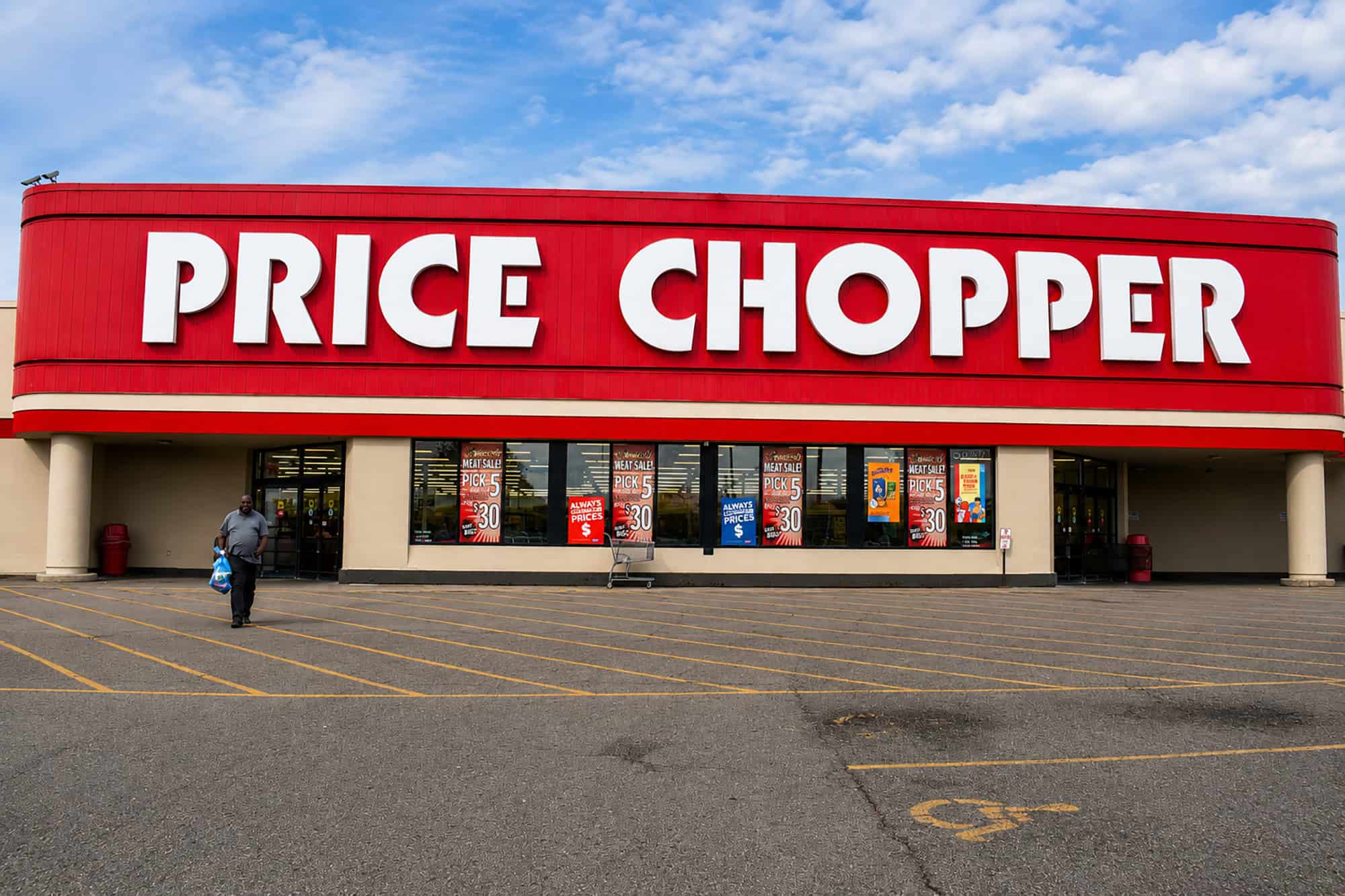
Cosentino’s Price Chopper at 5800 Wilson Ave in Kansas City. Stores within the Price Chopper group are implementing Breez AI in the coming weeks; photo by Taylor Wilmore, Startland News
Transforming the market
The Breez AI technology is invisible to the consumer. It’s integrated into the websites of the grocers it serves.
“The objective is to give the retailer the opportunity to show their consumer that they’re giving them the equivalent level, if not superior, tools than what you might be able to get from a national grocer, and you get the benefits of a retailer that’s in your community,” Zlotnitsky said. “Your neighbors and friends work and shop here. We know you. We have the local brands, the local items, and we will, through this AI, give you the highly personalized experience you’re looking for.”
Consumers can use the online tools to search out things like “three meals for $50” that avoid certain allergens. As the AI learns more about the individual consumer, it can provide more specialized suggestions and savings.
While some consumers might fear the technology could power dynamic pricing — also called “surge pricing,” wherein retailers adjust the cost of goods in real-time based on customer behavior and other market factors — that’s the farthest thing from the goal, Zlotnitsky said.
“There has not been a single retailer we’ve spoken to — and we have spoken to hundreds and we have hundreds who are working with us — that has even raised that as an objective,” he said. “The objective here is to provide a benefit to the consumer, and it’s obviously a benefit for the grocer.”
Although it’s a hotspot for AI implementation, grocery is not the only business primed for AI implementation.
Risk is in doing nothing
Although Breez AI works specifically with independent grocers, the team has experience in other sectors and sees trends across the board on how AI is and could be used.

Tal Zlotnitsky, Breez AI
“It starts with actually recognizing that you’re not going to be able to avoid AI,” Zlotnitsky said.
He notes that AI is being embraced by customers who are making it a part of their daily lives. That’s not just true for 20-somethings, but for the 40-plus crowd, too. These consumers are becoming more comfortable with the technology — and are changing their habits as a result.
“If you are not dynamically moving forward toward where your customers are going, then you’re falling behind,” Zlotnitsky said. “Move toward AI that you have control over … if the AI you’re training isn’t your AI, it’s someone else’s AI, so you’re ultimately powering someone else to be there for your customers in a way you will not be able to be there for your customers.
“This is not a fad. It’s a complete transformation of how we live and who we shop, and you will not escape it.”
While it may seem intimidating, Zlotnitsky said that small businesses have a unique opportunity to move their ventures forward with little risk.
“You should be looking for ways to bring AI into the way you operate, whether it’s front-facing to your consumers or in terms of how you assess your internal operations behind the scenes,” he said. “Embrace AI. At this juncture, the greater risk is being passive. There’s hardly any damage you could cause by running toward it, but there’s quite a bit you could cause to your business, yourself, your customers if you’re not running toward it fast enough.”
Again, Zlotnitsky stressed that the output of AI is only part of the picture; the long-term value is in ownership of the data behind it.
“If you’re in a business where your insights and your consumer knowledge are really, really critical to your long-term success, just make sure that you’re doing this in a way that you own it,” Zlotnitsky said. “Do it with someone like us, who, in our case, we’ve committed to not work with national chains, to not build our own marketplace. We’re not going to compete with you. If there are other people who are offering you solutions who are competing with you or powering your fiercest competitors, they may not be the best choice.”
Fund More Stories
This story was made possible by readers like you. Join them — make a one-time contribution or become a monthly member to sustain our work.