Founders urge confidence, not Midwest nice: Stop apologizing for thinking bigger, builders say
June 30, 2026 | Taylor Wilmore
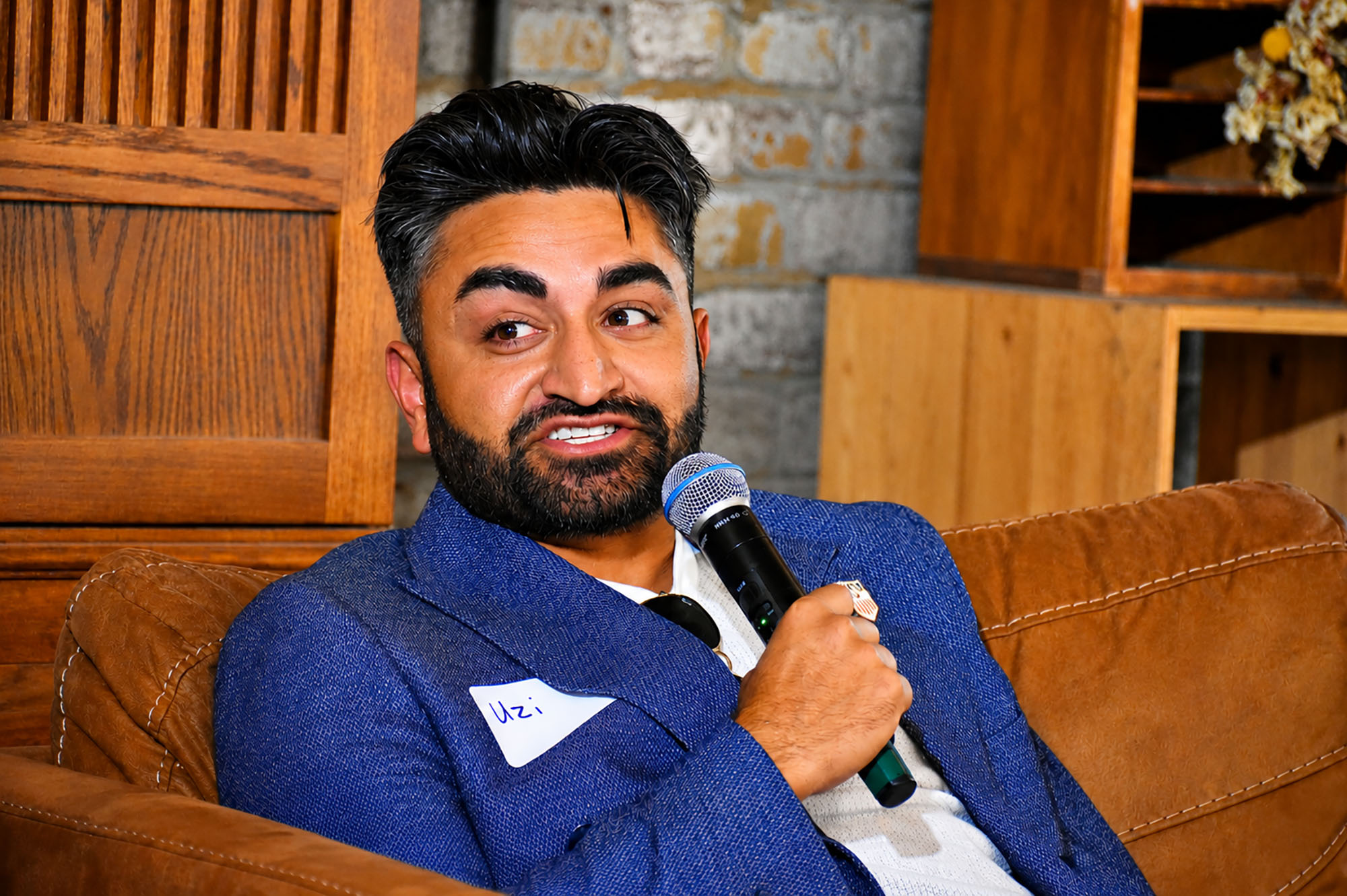
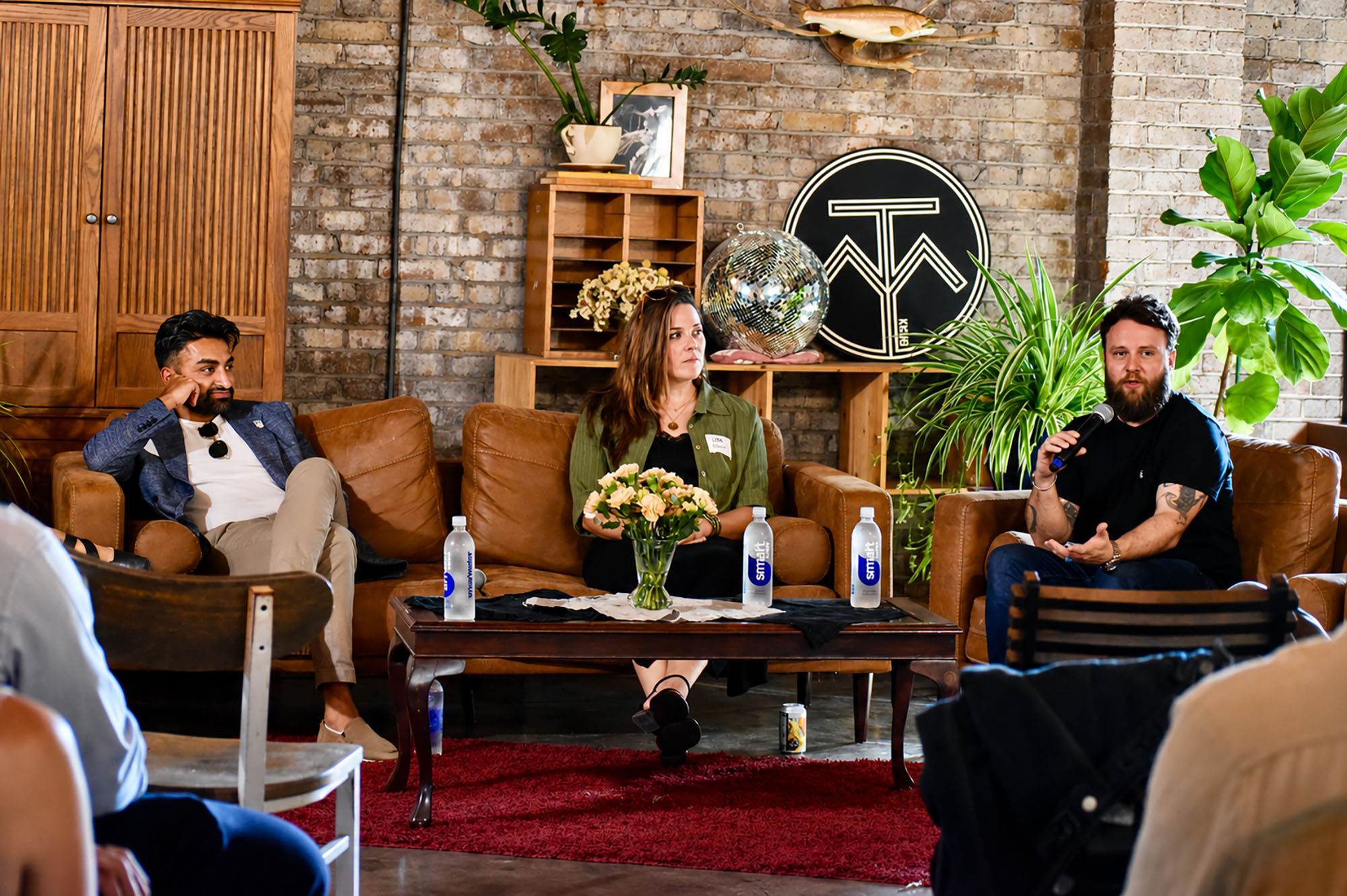
Usman Wajid, founder of Block & Mortar AI, speaks during a panel conversation hosted by Right to Start and Missouri Starters Coalition at Thou Mayest's event space; photo by Nikki Overfelt Chifalu, Startland News
Kansas City should be a hotbed for talent and startups, said Usman Wajid, lamenting a trend where entrepreneurs allow themselves to be penned in by a mentality that they’re overlooked locally and need to relocate to raise capital.
Sometimes the catalyst for funding is confidence, the Block & Mortar AI founder told a crowd gathered Wednesday for a Right to Start town hall.
“Don’t apologize for coming up with an idea,” said Wajid, noting the region already has many of the ingredients innovation requires — pointing to Kansas City’s universities, workforce and concentration of engineering, construction and development expertise.
“When things get tough, we roll up our sleeves,” he continued. “I want people that are going to fight through it.”
The panel was part of the inaugural “Built in Missouri: Makers, Main Street, Innovation & Missouri’s Future” event hosted by Right to Start to spotlight funding gaps and missed opportunities the national entrepreneurship advocacy organization says continue to hold founders back.
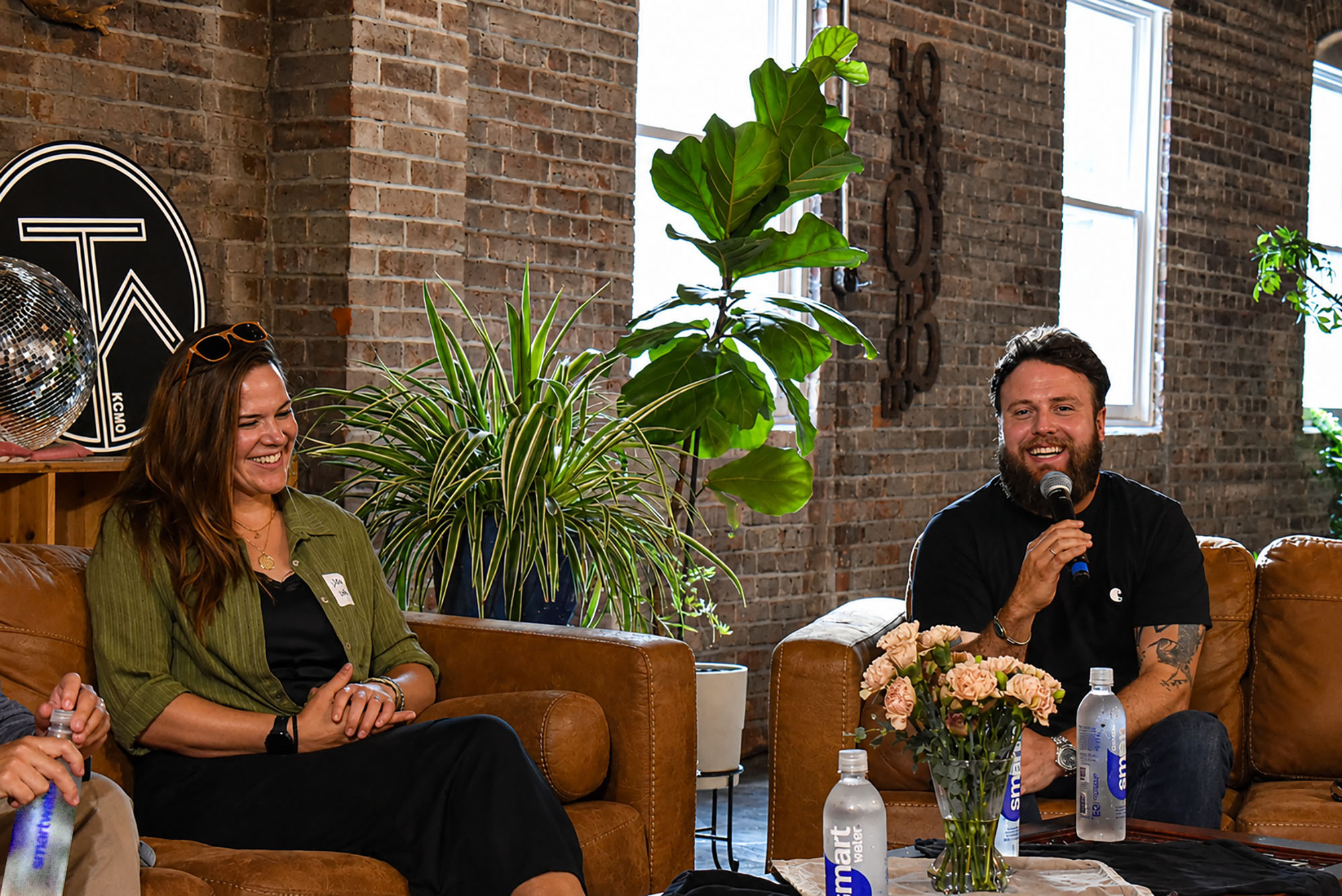
Lara Gray, co-owner of Casual Animal Brewing Co., and Ian Davis, owner of Blip Coffee Roasters, share a laugh during a town hall panel event at Thou Mayest’s event space; photo by Taylor Wilmore, Startland News
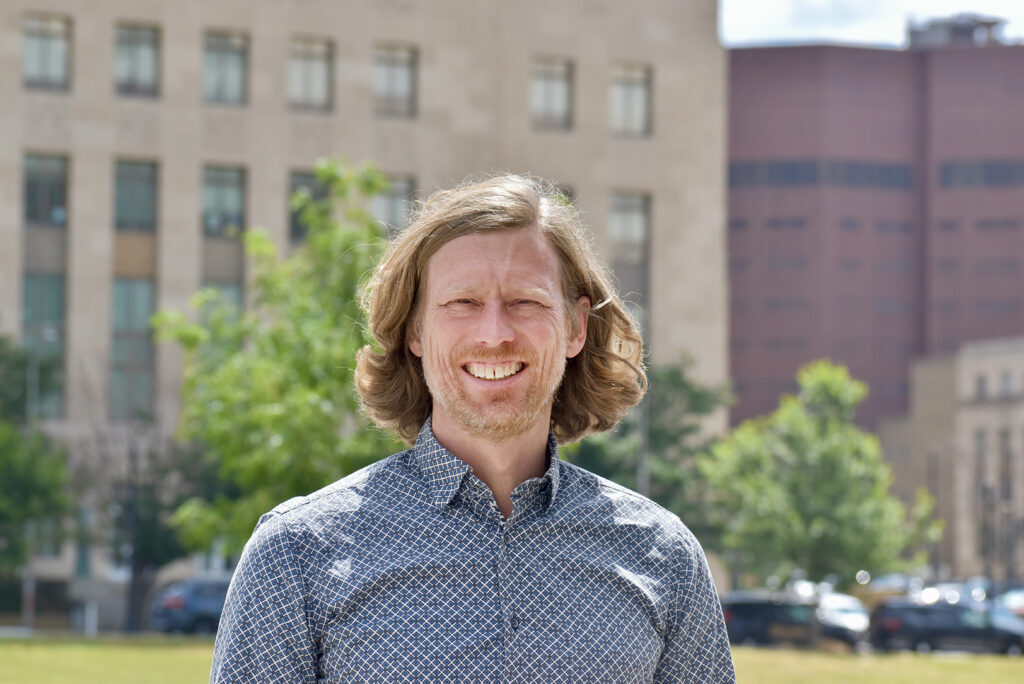
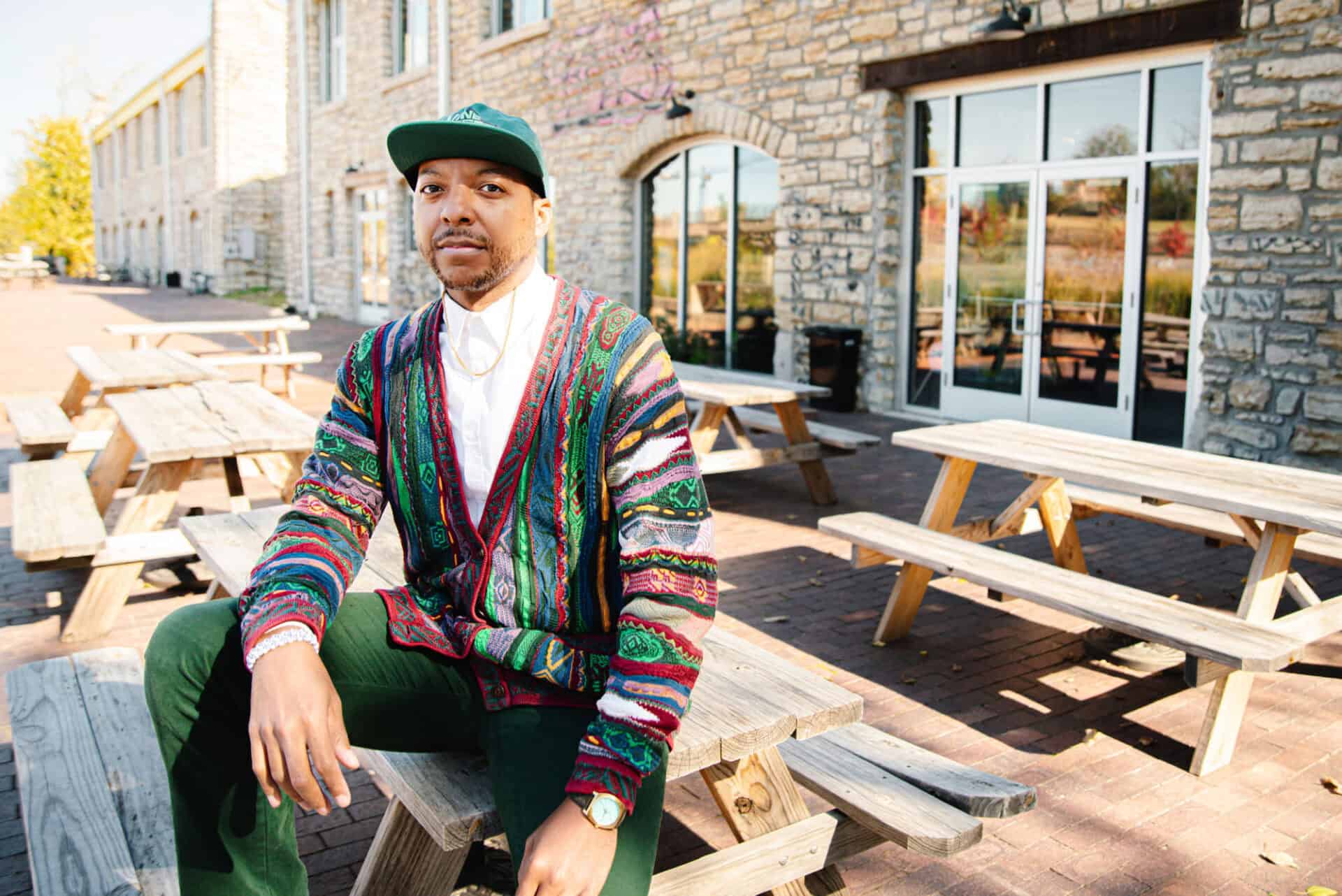
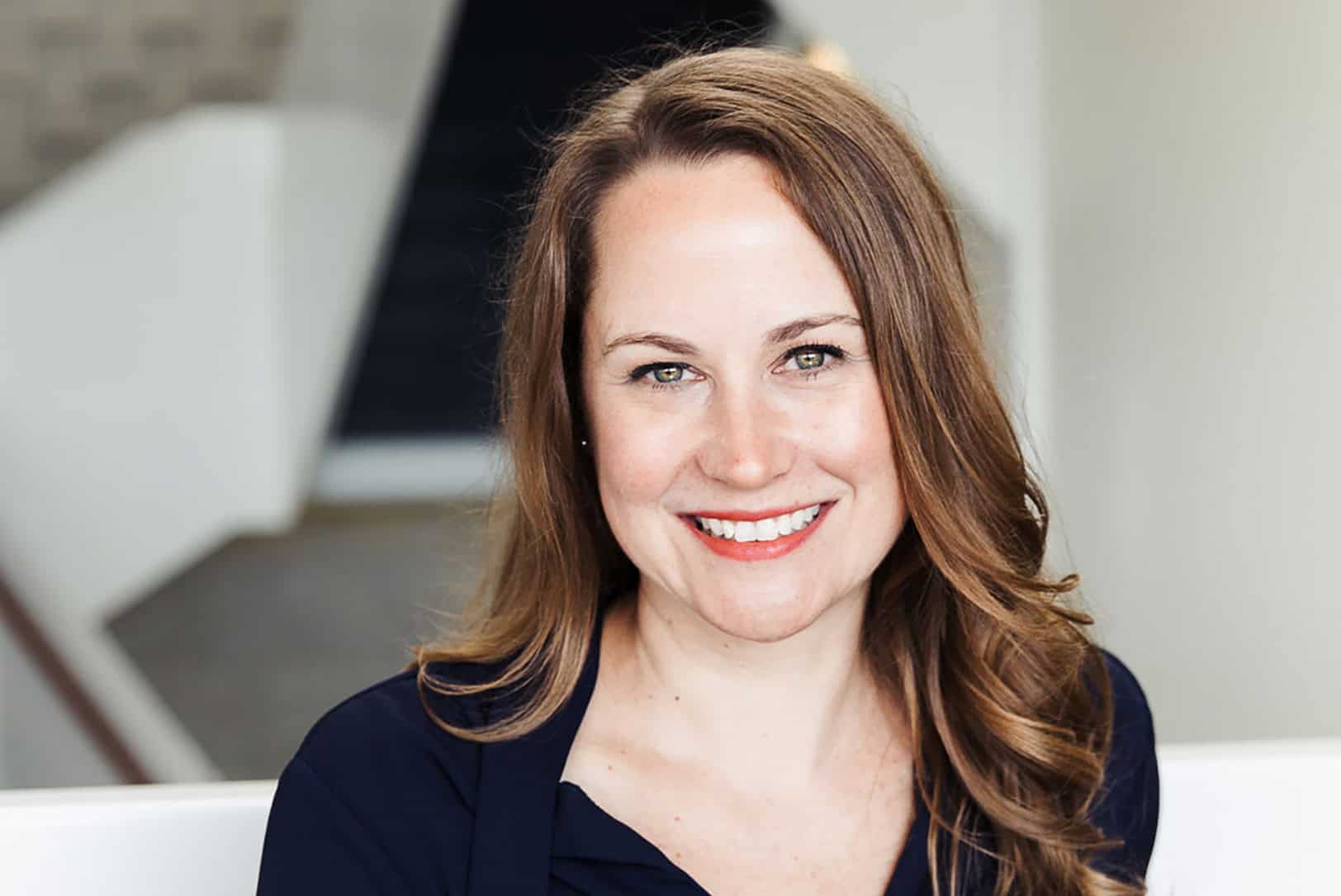
Wajid joined Ian Davis, owner of Blip Coffee Roasters, and Lara Gray, co-owner of Casual Animal Brewing Co., for a conversation about building businesses in Kansas City, chasing capital and pushing forward after hearing no.
RELATED: Missouri notched big wins for entrepreneurs in 2026, but work remains, advocates report
More than pats on the back
Founders described a throughline between their experiences: encouragement is easy to find, investment is not.
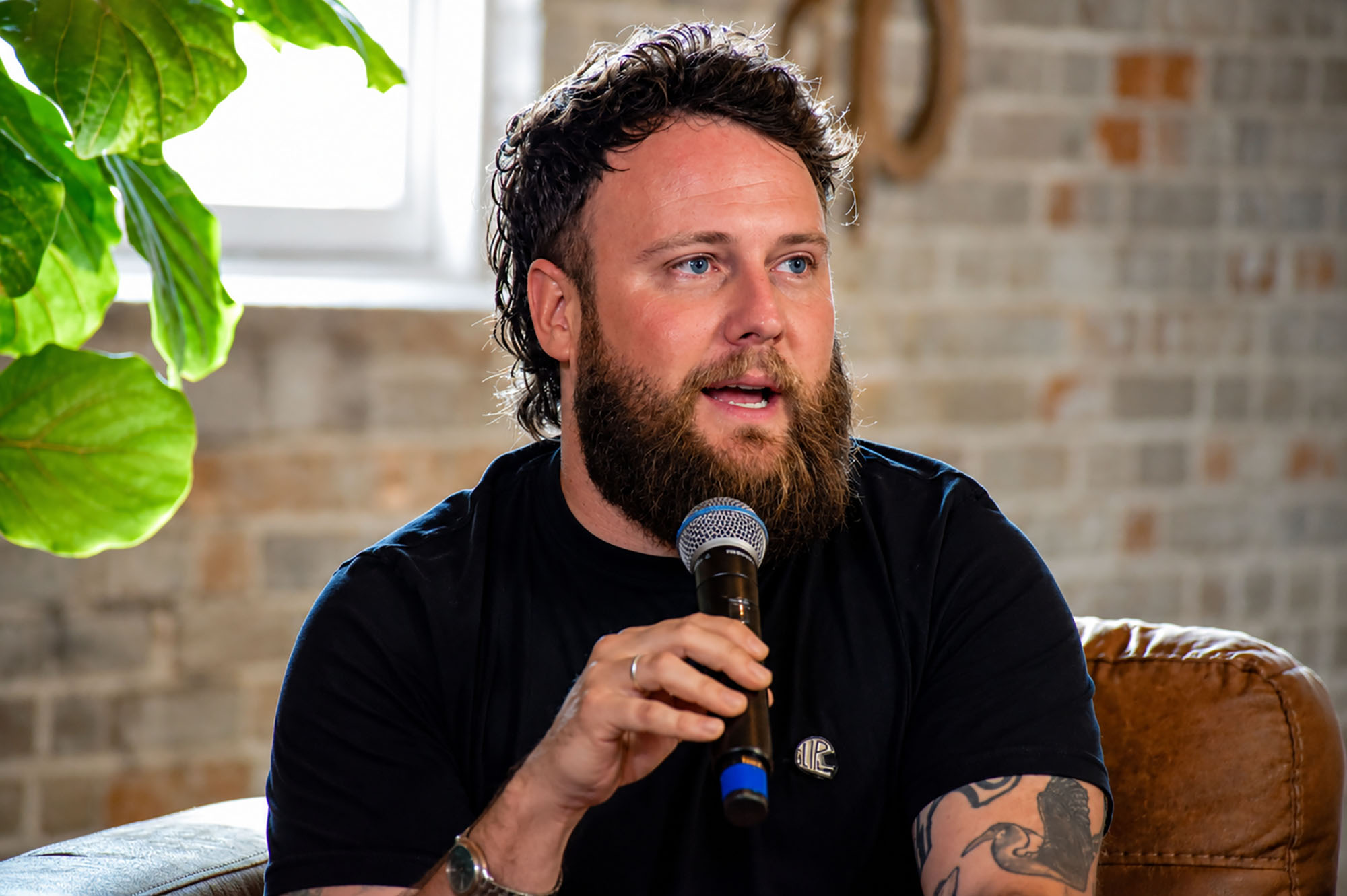
Ian Davis, owner of Blip Coffee Roasters, shares insights about small business chalenges during a town hall panel event at Thou Mayest’s event space; photo by Nikki Overfelt Chifalu, Startland News
“You get a lot of pats on the back and a lot of high fives. ‘Keep up the good work. You’re on the right track,'” said Blip Coffee’s Davis. “But we also need signatures on the dotted line.”
Too many founders still struggle to secure financing close to home, he argued.
“We need local institutions, we need local lenders, we need local money to step up,” said Davis.
Convincing lenders to back Casual Animal Brewing Company’s vision took persistence, Gray said.
“We don’t have flagship beers. We have a flagship giving program,” she said.
The brewery’s community giving initiative was part of its business plan from Day 1, but the concept raised concerns among lenders. Casual Animal’s team visited 16 banks before finding one willing to back the business.
“That was the reason every bank said no: ‘Why would you give away money before you’re turning a profit?’ But we knew that was going to be key to our success as a small business,” said Gray.
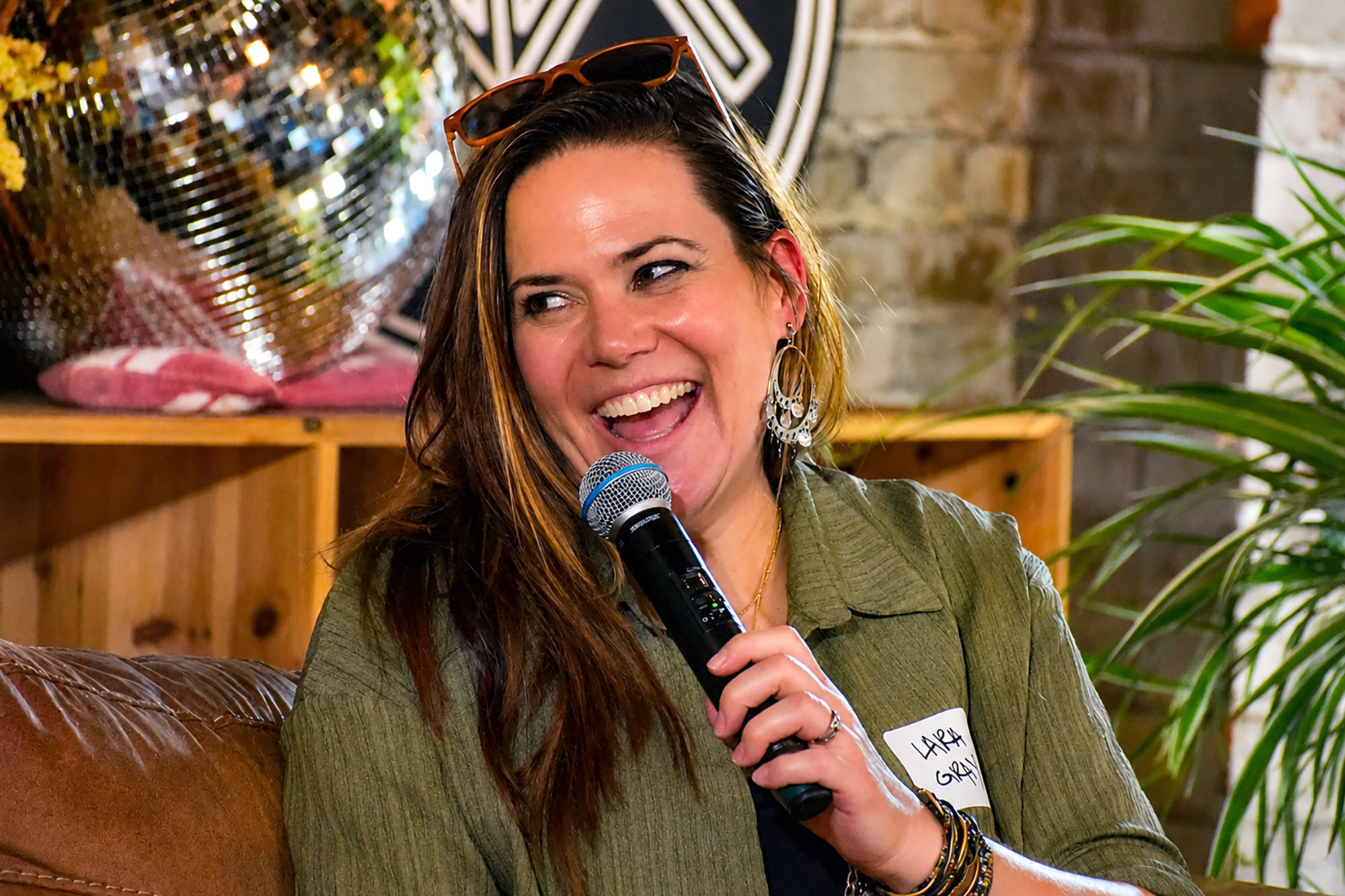
Lara Gray, co-owner of Casual Animal Brewing Co., laughs during a Right to Start town hall event at Thou Mayest’s event space; photo by Nikki Overfelt Chifalu, Startland News
Rethinking risk
As the discussion shifted toward solutions, panelists challenged both founders and funders to rethink how they approach risk.
“The ‘Midwest nice’ that I’m trying to change is: be confident,” Wajid emphasized.
Founders need to get comfortable hearing difficult answers, he said, arguing that entrepreneurs cannot afford to let rejection turn into self-doubt.
“If you’re going to start apologizing now, then that’s when the boardroom gets even louder,” Wajid said. “I think that if you want to start a business, you have to get over that fear, you get told no all the time.”
Gray directed her challenge toward lenders, investors and civic leaders.
“Start looking at other markets,” she said. “Kansas City can think bigger.”
Too often, Gray said, promising ideas are judged against what has already succeeded rather than what might succeed next.
“If the folks that are able to provide capital for the ideas that are ground swelling in Kansas City can’t think outside of this narrow gauge that we’ve been locked into in Kansas City, then we’re going to really struggle,” said Gray.
Be willing to bet big
The conversation ultimately returned to a broader question about Kansas City’s future and whether the region is prepared to back the entrepreneurs already building here.
Davis pointed to the riverfront, the West Bottoms and other areas undergoing transformation as examples of what can happen when people invest early and think long term.
ICYMI: Mayor moves to keep ball rolling at KC’s riverfront, backing $1.4B project expansion
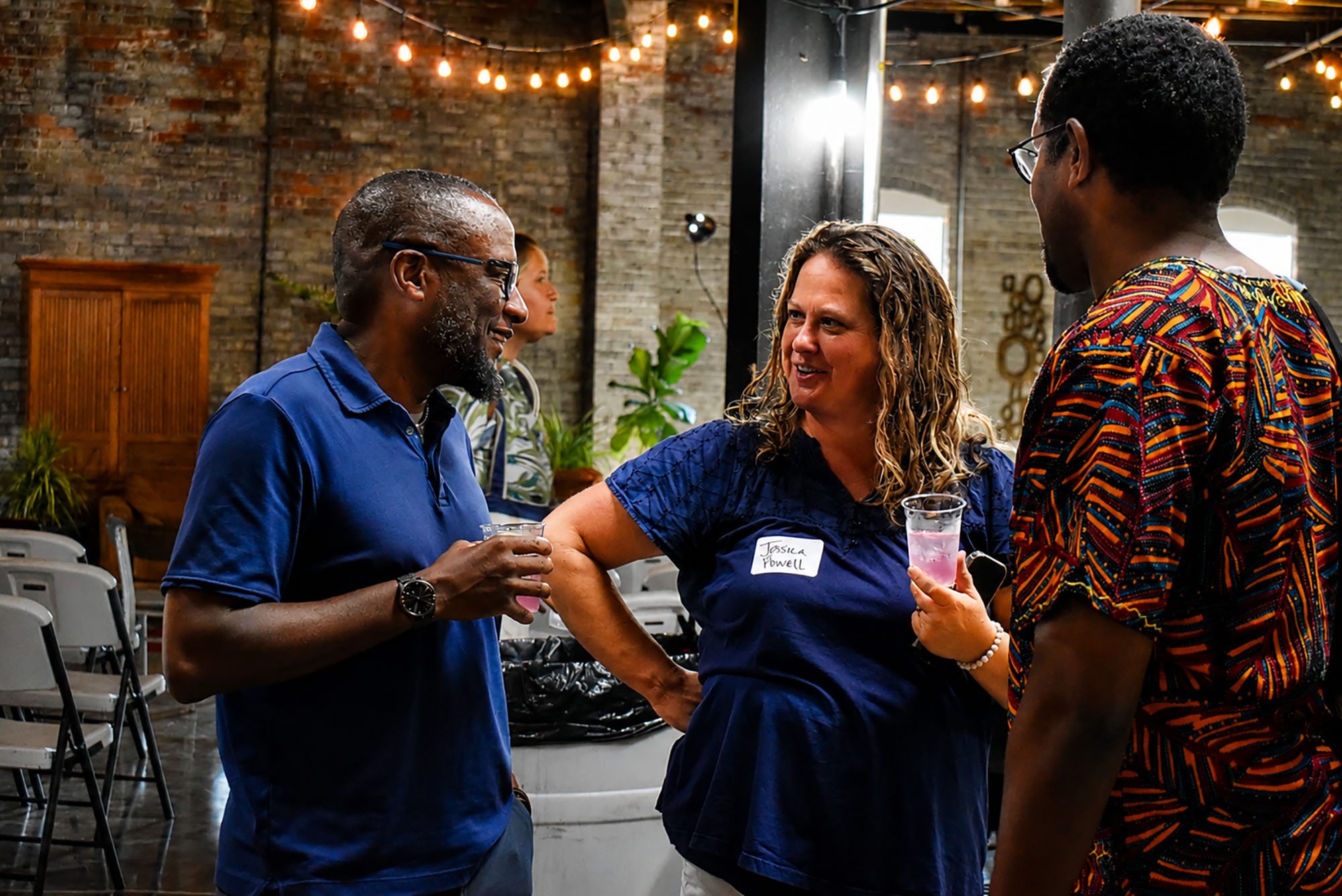
“Everybody says Kansas City is so spread out,” said Davis. “That’s great. Now there’s all these pockets of opportunity.”
Major projects and neighborhood investment are already reshaping parts of the city, he noted, creating room for entrepreneurs to help define what comes next.
Gray closed with a challenge for the decision-makers evaluating the next generation of founders.
“Before you say no, prove it hasn’t worked anywhere else in the country,” she said. “Otherwise, you’re closing the door on an opportunity that could lead somewhere special.”
Fund More Stories
This story was made possible by readers like you. Join them — make a one-time contribution or become a monthly member to sustain our work.