Seeing through the static: KC developer launches visual snow simulator after his own symptoms were dismissed
June 4, 2026 | Startland News Staff

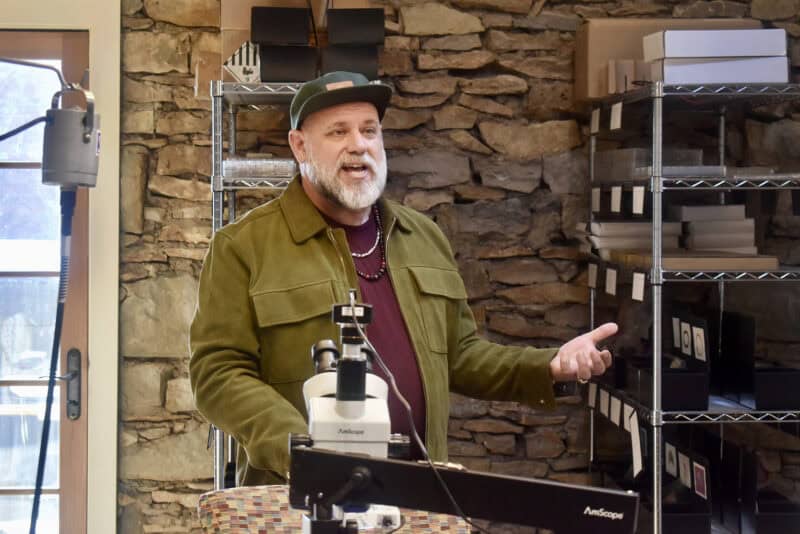
Dylan Carnahan, VSS Guide App; courtesy photo
A Kansas City-based software developer and podcast host suspected he had a rare neurological condition, interviewed an expert to learn more, then built a communication tool after his own doctor dismissed his symptoms.
Dylan Carnahan is among as many as 240 million people worldwide who experience symptoms like continuous “static” or “snow” across the visual field (similar to analog television static). The condition, known as Visual Snow Syndrome (VSS) affects an estimated 2–3% of the global population.
Spurred by his own visual symptoms — which also include trailing images (palinopsia), enhanced floaters, light sensitivity (photophobia), and difficulty seeing in low-light environments — Carnahan decided to investigate the condition by interviewing an expert.
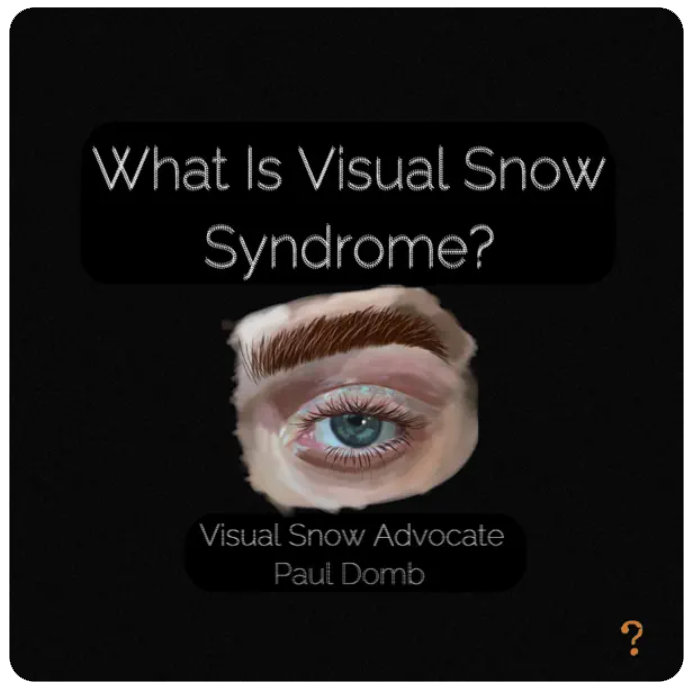
In late 2024, he recorded an episode of his long-form “Simple Questions Podcast” with Paul Domb of the Visual Snow Initiative. (Carnahan’s 50 interviews so far range widely from a recent podcast with famed voice actor Billy West to a chat with a formerly incarcerated criminal justice advocate that led to a reentry app backed by the Detroit-based Organization of Exonerees.)
“The podcast gave me the information I needed to pursue a diagnosis, but it also revealed how many people are suffering with this invisible condition,” Carnahan said.
Click here to listen to the podcast featuring Paul Domb.
Following the interview, he felt empowered to validate his suspicions. Carnahan used the Visual Snow Initiative’s “Physicians & Specialists Directory” to locate a neuro-optometrist in his area and scheduled an appointment with his primary care provider to request a referral.
“Once I showed up to the appointment, my visit went drastically different than I’d hoped,” he recalled. “I felt invalidated and incompetent. Worst of all, I didn’t get my referral.”
After sending a follow-up message through his patient portal, the referral was finally granted. Following three hours of testing with a neuro-optometrist, Carnahan received a VSS diagnosis.
“I thought, ‘Now what?’” he said. “I immediately started sharing information about the condition with friends and family and looking for ways to participate in research initiatives.”
A researcher familiar with Carnahan’s software development background suggested he create an app for VSS patients, and he immediately began development.

“My experience trying to get a referral showed me how difficult it is for VSS patients to communicate their symptoms to doctors who don’t understand the condition,” Carnahan explained. “Even as someone who had researched VSS extensively through my podcast and interviewed experts, I struggled to be taken seriously by my own doctor. I wanted to develop a tool that would help other patients avoid that discomfort and make it easier for them to communicate with their healthcare providers.”
Click here to learn more about the VSS Guide App.
Carnahan’s platform features interactive symptom simulators for visual snow, eye floaters, palinopsia, and tinnitus. The tech allows patients to show, not just describe, what they are experiencing, he emphasized.
The app also includes neuro-optometric therapy drills, saccades, pursuit exercises, visual search exercises, and educational content explaining the neurological basis of VSS.
Designed with a “Visual Quiet” philosophy, the app uses a low-contrast oatmeal-and-charcoal color palette intended to minimize photophobia triggers common among VSS patients, Carnahan said.
The Visual Snow Initiative, a leading patient advocacy organization for VSS, is currently reviewing the app for promotion to its global community of patients, he noted.
The launch continues Carnahan’s pattern of building tools for underserved and often overlooked communities, he said. As with the app he helped create for wrongfully convicted individuals reentering society, the technology for VSS was developed with user input leading the way.
“I want this app to evolve based on what the VSS community actually needs, not what I assume they need,” Carnahan said. “I’m exploring symptom tracking features and potential research applications in collaboration with organizations like VSI, but ultimately the community’s feedback will guide where this goes.”
Fund More Stories
This story was made possible by readers like you. Join them — make a one-time contribution or become a monthly member to sustain our work.